

Money troubles hit construction projects hard. You start with one budget. Then costs spiral out of control. Sound familiar?
You’re not alone. Most builders and buyers focus only on upfront costs. They miss the bigger picture. That’s where Total Cost of Ownership (TCO) comes in.
TCO looks at all expenses over time. Not just what you pay today. It includes maintenance, repairs, energy bills, and replacement costs. This matters whether you’re building a new project or buying property.
In this article, we’ll break down TCO step by step. You’ll learn how to calculate it. We’ll show you real examples from construction projects. Plus, you’ll see how TCO helps with smart real estate decisions.
By the end, you’ll know exactly how to use TCO. You’ll make better financial choices. Your projects will stay on budget. Your investments will perform better.
Understanding TCO: Two Critical Concepts in Construction and Real Estate
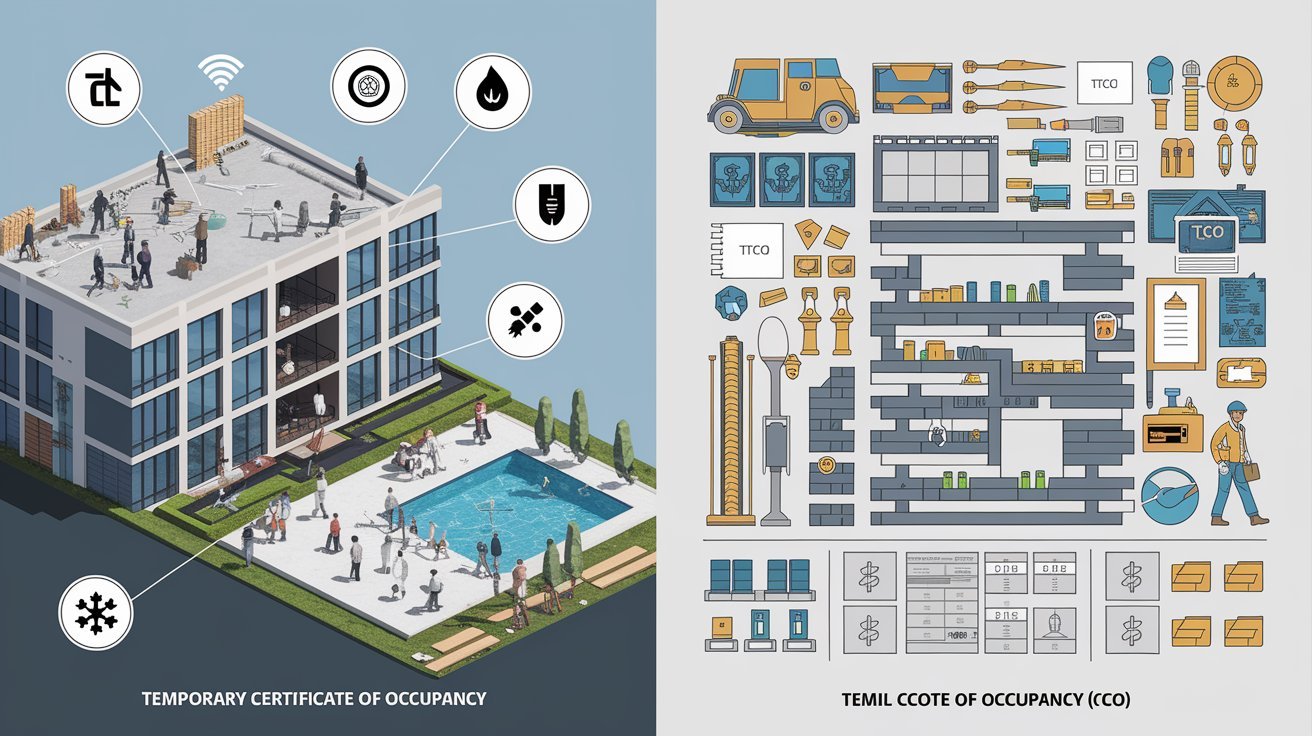
When working in construction or purchasing real estate, you’ll encounter the acronym “TCO” in two distinct contexts. Both are vital for making informed decisions, though they serve completely different purposes.
What is a Temporary Certificate of Occupancy (TCO)?
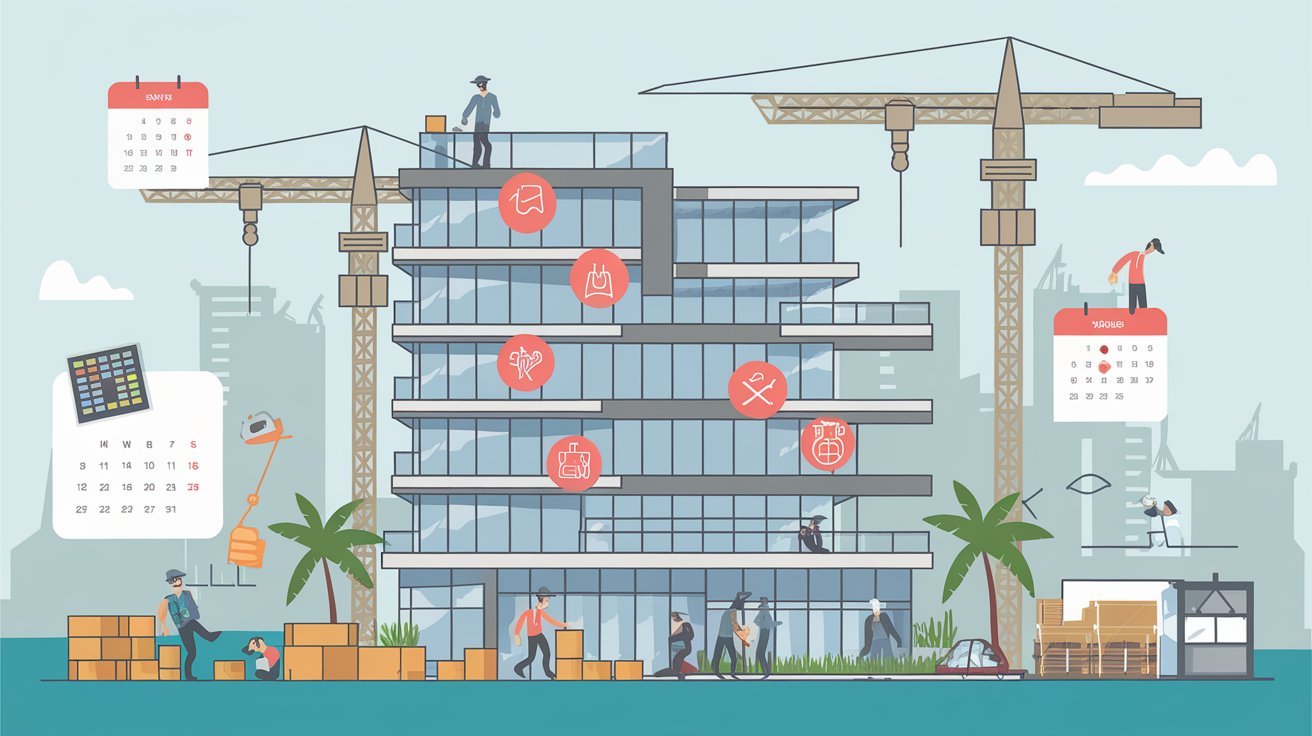
A Temporary Certificate of Occupancy represents official permission from local authorities allowing people to occupy a building before final construction completion. In Florida’s dynamic construction market, TCOs play a particularly important role for pre-construction condominium developments.
For buyers who purchased units during the pre-construction phase, receiving a TCO marks a significant milestone. This certificate means you can legally move into your new home, even though some finishing touches or common area amenities might still be under development. The building has passed essential safety inspections for electrical systems, plumbing, fire safety, and structural integrity.
Your TCO grants specific legal rights, including full residential occupancy, access to basic utilities, and use of completed common areas. However, certain amenities like pools, fitness centers, or landscaping may remain off-limits until final certificates are issued.
What is the Total Cost of Ownership (TCO)?
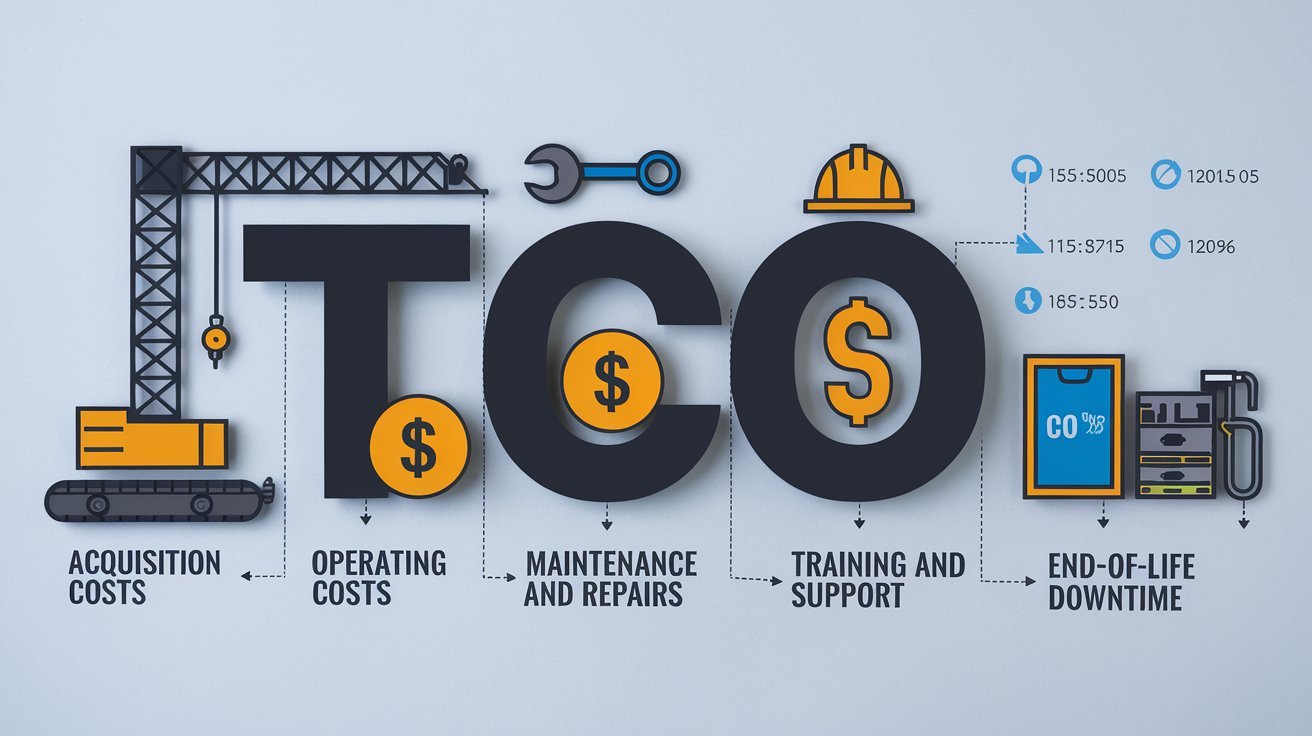
Total Cost of Ownership takes a broader financial perspective, encompassing every expense associated with a construction project or real estate investment throughout its entire lifespan. This concept goes far beyond the initial purchase price or construction budget.
While upfront costs cover immediate expenses like materials, labor, and permits, TCO includes ongoing operational expenses, maintenance requirements, insurance premiums, property taxes, and eventual disposal or renovation costs. For construction professionals, this means accounting for equipment maintenance, replacement schedules, and productivity impacts over time.
TCO analysis proves invaluable for long-term planning and accurate financial forecasting, helping investors and builders make decisions based on complete cost pictures rather than initial price tags alone.
Part 1: Temporary Certificate of Occupancy (TCO) in Florida Construction
A TCO lets Miami condo buyers move in legally before full completion, but they should be ready for ongoing construction and unfinished amenities.
Why TCO Matters to Miami Condo Buyers
Getting a TCO is a big deal for condo buyers. Here’s why it should matter to you:
Legal proof your home is safe to live in. The TCO shows the building meets basic safety standards. You can legally move in once it’s issued. No more waiting on the sidelines.
Your closing can finally happen. Most lenders won’t close without a TCO. It’s the green light that tells everyone the unit is ready. Your lawyer needs this document to complete the sale.
Time to get your life ready. Once you know the TCO is coming, you can book movers. Start planning your furniture layout. Call the interior designer. The countdown to move-in day begins.
Key Requirements for Issuance
Florida has strict rules before issuing a TCO. Here’s what needs to happen:
All major inspections must pass. This includes structural work, fire safety systems, plumbing, and electrical. Building officials check everything twice. No shortcuts allowed.
TCOs don’t last forever. Most are valid for 90 to 180 days. Developers can ask for extensions if needed. But these aren’t automatic. The city has to approve each request.
Final certificate comes later. The permanent Certificate of Occupancy usually follows within 6 months. This happens after all finishing touches are complete. Common areas, landscaping, and final punch list items get wrapped up.
What Buyers Should Consider Before Moving In
Moving into a TCO unit isn’t always smooth sailing. Keep these points in mind:
Some amenities might not work yet. The pool could be empty. The gym might be closed. Parking garage gates may not function. Ask your developer for a realistic timeline.
Construction noise continues. Workers will still be on-site finishing other units. Expect early morning sounds and dust. This is normal but can be annoying.
Stay in touch with your team. Your realtor and developer should update you weekly. Get written confirmation of move-in dates. Don’t rely on verbal promises.
Real examples from Miami projects: Aston Martin Residences issued TCOs in phases last year. Some buyers moved in while elevators were still being tested. Gale Miami had working units but incomplete lobby areas. Each project has its own timeline and challenges.
The key is managing expectations. A TCO gets you in the door, but full completion takes time.
Part 2: Total Cost of Ownership (TCO) in Construction Project Management
TCO helps construction pros make smarter decisions by revealing the true lifetime costs—far beyond just the initial purchase price.
Components of Total Cost of Ownership
Smart builders look beyond the price tag. TCO includes every dollar you’ll spend from day one to project end.
Acquisition costs are just the start. This covers your initial purchase price. Equipment, materials, and installation fees all count. But this is only 20-30% of your total spending.
Operating costs hit you monthly. Energy bills for running equipment. Fuel for machinery. Consumables like oil, filters, and replacement parts. These expenses never stop.
Maintenance and repairs are unavoidable. Regular service keeps things running. Emergency fixes cost more but happen anyway. Plan for both scheduled and surprise expenses.
Training and support matter too. Your crew needs to learn new systems. Technical support calls cost money. User manuals and safety training take time and resources.
End-of-life costs catch people off guard. Disposing of old equipment isn’t free. Environmental regulations add complexity. Some materials have resale value, but removal still costs money.
Downtime kills profits. When equipment breaks, work stops. You still pay workers but get no progress. Lost productivity can double your real costs.
Importance of TCO in Construction Decisions
TCO thinking changes how you make choices. Here’s why it matters:
See the full financial picture. That cheap excavator might cost more long-term. Higher maintenance, poor fuel efficiency, and frequent breakdowns add up fast. TCO shows the real numbers.
Budget with confidence. Knowing all costs helps you plan better. No more surprise expenses halfway through projects. Your cash flow stays predictable.
Pick better equipment and materials. Sometimes paying more upfront saves money later. Energy-efficient tools reduce operating costs. Durable materials need less maintenance. TCO helps you spot these wins.
Manage assets like a pro. Track when to service, repair, or replace equipment. This prevents costly breakdowns. Your gear lasts longer and performs better.
Cut risks and boost efficiency. Reliable equipment means fewer delays. Well-maintained tools work faster. Your projects finish on time and under budget.
The bottom line: TCO turns you from a buyer into a smart investor. You make decisions based on total value, not just upfront costs.
Challenges in Calculating TCO
TCO accuracy is hard due to data gaps, market shifts, and real-world unpredictability—but smart builders plan for these to make better decisions.
Common Barriers
Getting accurate TCO numbers isn’t easy. Real-world problems get in the way of perfect calculations. Here are the biggest roadblocks:
Data problems mess up your math. Equipment manufacturers don’t always share maintenance records. Previous owners hide repair histories. Energy consumption estimates vary wildly from actual usage. You’re making decisions with half the facts.
Markets change without warning. Fuel prices swing up and down. Labor costs shift with the economy. Material prices jump overnight. The TCO you calculate today might be wrong next month.
Cheap prices fool smart people. That bargain equipment looks great on paper. But hidden costs lurk everywhere. Poor build quality means more repairs. Bad fuel efficiency eats your budget. Limited warranty coverage leaves you exposed.
Projects evolve as you build. Client requirements change mid-stream. New regulations pop up. Weather delays force equipment changes. Your original TCO assumptions become outdated fast.
Missing the human factor. Some costs are hard to measure. How much does crew frustration cost? What about safety risks from unreliable equipment? Reputation damage from delays? These real impacts don’t show up in spreadsheets.
Time pressure kills accuracy. Bidding deadlines force quick decisions. You don’t have weeks to research every option. So you estimate and hope for the best. This guesswork creates budget surprises later.
The key is accepting these limits. Use the best data you have. Build in cushions for uncertainty. Update your TCO as you learn more. Perfect calculations don’t exist, but better decisions do.
TCO Tips for Construction Projects
- Look beyond the sticker price – Equipment that seems cheap upfront often costs more over time through repairs and inefficiency
- Track all expense categories – Include acquisition, operating, maintenance, training, disposal, and downtime costs in your calculations
- Plan for the unexpected – Build cushions into your budget for market changes and surprise expenses
- Gather real data when possible – Get actual maintenance records and energy consumption figures instead of relying on estimates
- Consider equipment lifespan – Factor in how long you’ll use the equipment and when you’ll need replacements
- Account for crew productivity – Reliable equipment keeps workers moving and projects on schedule
Conclusion
Why Both TCOs Matter
Understanding both types of TCO protects your interests and your wallet.
The Temporary Certificate of Occupancy gives you legal peace of mind. It confirms your new condo meets safety standards. You can move in and close on your purchase with confidence. No more waiting or wondering if the building is ready.
Total Cost of Ownership protects your long-term finances. It shows the real cost of equipment and materials over time. You make smarter buying decisions. Your projects stay profitable. Your investments perform better.
Smart builders and buyers consider both. Check TCO timelines before buying that Miami condo. Calculate equipment TCO before your next project starts. These simple steps save money and prevent headaches.
The bottom line: both TCOs help you make better decisions in construction and real estate.
Frequently Asked Questions
How long does a Temporary Certificate of Occupancy last in Florida?
Most TCOs are valid for 90 to 180 days. Developers can request extensions, but these need city approval and aren’t guaranteed.
Can I move into my condo before all amenities are finished?
Yes, you can move in with a TCO even if pools or gyms aren’t ready. Just expect ongoing construction noise and limited building services.
What’s the difference between acquisition costs and total ownership costs?
Acquisition costs are what you pay upfront to buy equipment or materials. Total ownership costs include everything over the equipment’s lifetime – maintenance, fuel, repairs, and disposal.
Why do cheap construction equipment options often cost more long-term?
Low-priced equipment typically has higher maintenance costs, poor fuel efficiency, and frequent breakdowns. These hidden expenses add up quickly over time.
How often should I update my TCO calculations during a project?
Review your TCO numbers monthly or when major market changes occur. Fuel price swings, material cost changes, and project modifications all affect your totals.
