

Confused about construction types? You’re not alone. Most people think building is building. That’s not true. Homes and businesses get built very differently. Different materials. Different timelines. Different challenges entirely.
I’ve worked in this industry for years. I’ve seen projects succeed and fail. The difference usually comes down to understanding what you’re getting into.
This guide solves your confusion. You’ll learn what separates building homes from building businesses. You’ll find trends happening right now. Most importantly, you’ll know how to pick the right builder.
Why trust this information? Because making the wrong choice costs thousands. Sometimes millions.
If you’re planning your dream home or expanding your business, understanding these differences protects your money.
Let’s clear up the confusion once and for all.
What is Residential Construction?
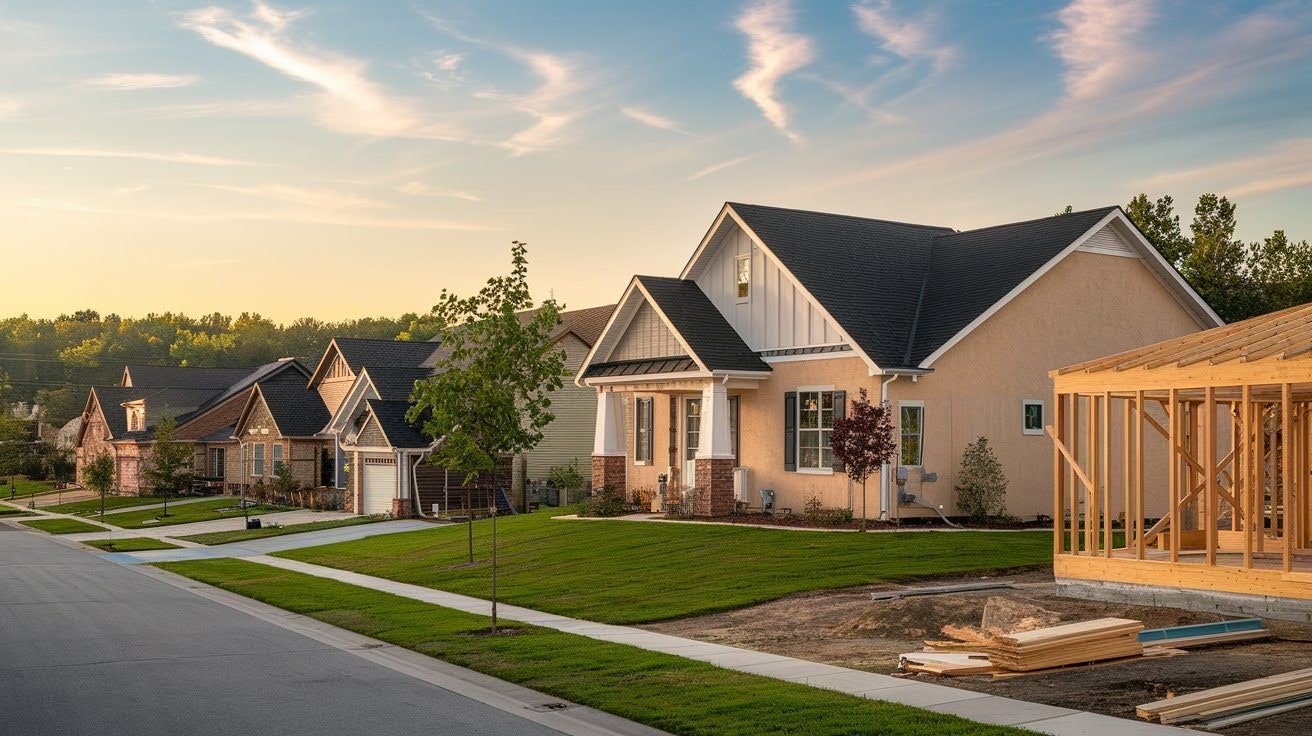
Residential construction builds places where people live. Simple as that. This includes homes, townhouses, apartments, condos, and duplexes.
The goal? Create comfortable, safe spaces for families and individuals.
I’ve seen how home projects focus on personal touches. You want your dream kitchen. Your perfect bedroom. Your ideal backyard. Building a house typically takes 3-6 months. Materials are lighter. Rules are simpler.
But don’t mistake simple for easy.
What is Commercial Construction?
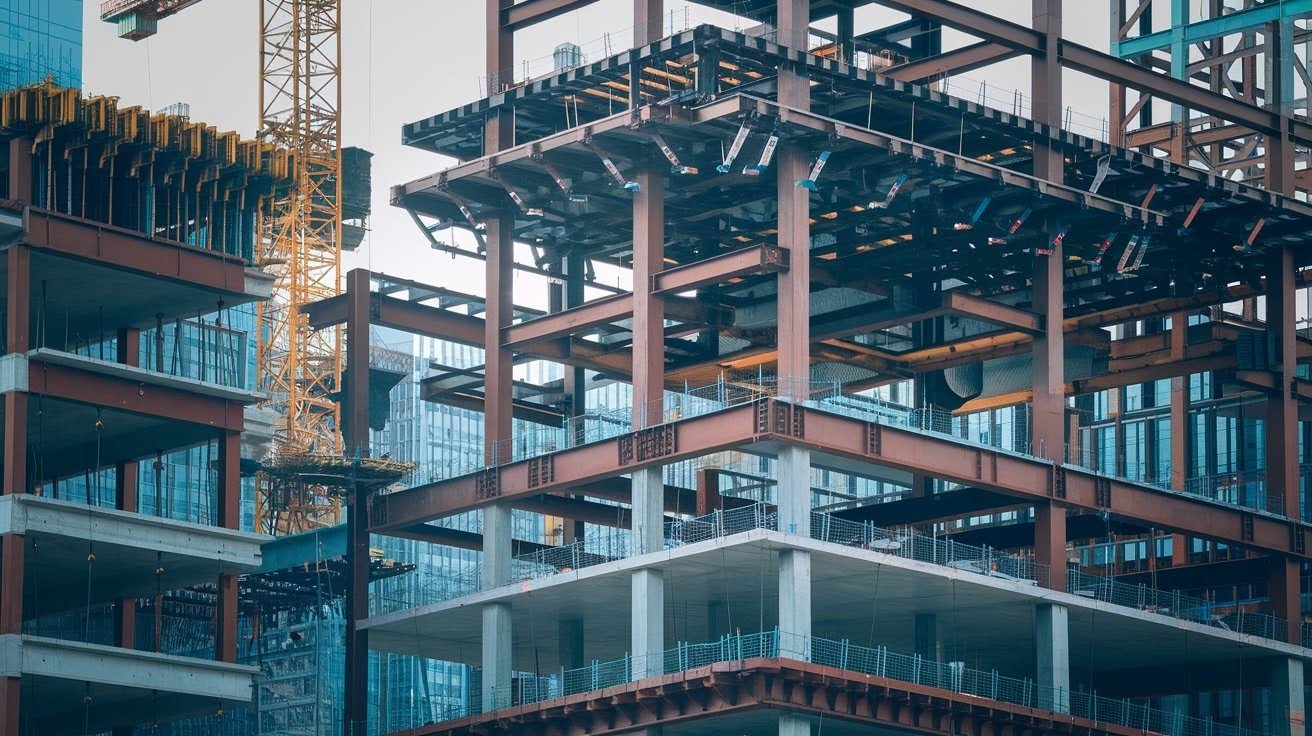
Commercial construction builds spaces for business and public use. Think bigger. Think stronger. Think more complex. Commercial projects include office buildings, retail stores, restaurants, warehouses, schools, and hospitals.
These projects serve hundreds or thousands of people daily. The stakes are higher. The timelines are longer. Commercial construction can take months to years to complete. The materials are heavy-duty. The rules are strict.
Why? Because public safety depends on it.
Major Differences Between Residential and Commercial Construction
|
Aspect |
Building Homes |
Building Businesses |
|
Size |
Small, family-focused |
Large, community-focused |
|
Time |
3-6 months |
12-36 months |
|
Materials |
Wood, standard fixtures |
Steel, concrete, industrial-grade |
|
Budget |
Thousands to hundreds of thousands |
Millions |
|
Permits |
Basic local rules |
Complex regulations and multiple approvals |
|
Design Focus |
Comfort and personal style |
Heavy traffic, accessibility, energy efficiency |
Home projects are smaller. You’re building for a family. Business projects are massive. You’re building for communities.
Home construction uses wood framing, standard insulation, regular plumbing fixtures, and basic electrical systems. Business construction demands steel and concrete, fire-resistant materials, industrial-grade systems, and heavy-duty everything.
A house takes 3-6 months. A business building? Try 12-36 months. Why the difference? Business projects need more approvals. More inspections. More coordination.
Home projects cost thousands to hundreds of thousands. Business projects? We’re talking millions. The difference isn’t just size. It’s complex.
Home construction follows local building codes. Straightforward stuff.
Business construction moves through a maze of regulations including ADA compliance, fire safety codes, environmental standards, and zoning laws.
One missed permit can shut down a project for weeks.
Your home needs to look good and function well. Business buildings need to handle heavy traffic, meet accessibility standards, optimize energy efficiency, and plan for future expansion.
Current Trends in Home and Business Construction

Green Building Practices
Being kind to the environment isn’t just trendy. It’s necessary.
In home construction, we see solar panels on every roof, energy-efficient windows, smart home technology, and materials that don’t harm the earth.
In business construction, we see buildings that earn green certificates, gardens on rooftops, systems that collect rainwater, and buildings that make as much energy as they use.
Smart Technology
Technology is changing everything.
Homes now feature lights that turn on by themselves, thermostats you can control from your phone, security systems that watch your home, and devices that listen to your voice.
Business buildings go further with systems that manage the whole building, equipment that tells you when it needs fixing, sensors that count how many people are inside, and computers that help make decisions.
Building in Pieces
Here’s something cool.
Some builders now make sections of buildings in a factory. Then they bring those pieces to your site and put them together.
Benefits include projects finishing faster, better quality control, less waste, and lower costs.
Both home and business builders are trying this approach.
Focus on Health
After the pandemic, construction focuses more on keeping people healthy.
Features include better air cleaning systems, surfaces that kill germs, faucets you don’t have to touch, and more windows for natural light.
This affects both home and office design.
Challenges in Both Sectors
Not Enough Workers
The construction industry has a serious problem. Not enough skilled workers.
Experienced carpenters, electricians, and plumbers are retiring. Younger workers aren’t replacing them fast enough.
This affects both home and business projects.
Material Prices Go Up and Down
Lumber prices change constantly. Steel costs jump around. Supply trucks get delayed.
One week of lumber is affordable. Next week? Prices double.
Smart contractors plan for these changes. Others get caught off guard.
Supply Problems
When ships can’t deliver materials, construction stops.
Delays mean projects sit idle, schedules slip, and costs go up.
Rules Keep Changing
Building codes change constantly.
What passed inspection last year might fail today.
Staying current requires constant learning.
Weather Problems
Rain stops concrete work. Snow delays framing. Extreme heat makes work dangerous.
You can’t control the weather. But you can plan around it.
When Projects Mix: Buildings That Do Everything
Something interesting is happening in construction…
The line between homes and businesses is blurring.
Mixed buildings combine apartments where people live with shops where people buy things, offices where people work, and restaurants where people eat.
These projects are complex. They need experts in both types of construction.
Benefits of mixed buildings include using land better, reducing how far people drive to work and shop, creating lively neighborhoods, and bringing in different types of money to one area.
Challenges include complex rules about what you can build where, different building codes for each part, managing multiple construction teams, and balancing the different needs of residents and businesses.
Choosing the Right Construction Partner
This decision makes or breaks your project.
Building a home or a business requires the right partner.
|
Project Type |
What to Look For |
Questions to Ask |
|
Building a Home |
Local license and insurance, examples of similar homes, clear communication, honest pricing, good references |
How many homes like mine have you built? Can I visit recent projects? What’s included in your price? |
|
Building a Business |
Experience with your building type, on-time delivery history, financial stability, strong safety record, project management skills |
How many similar business buildings have you completed? What’s your average project timeline? How do you handle permit delays? |
Questions to Ask Any Builder
How many similar projects have you finished? Can you give me names of recent customers? How do you stay on schedule? What happens if costs go over budget? How do you keep workers safe?
Warning Signs to Avoid
Prices that seem too low, asking for lots of money upfront, no local customers to talk to, pushing you to sign right away, and contracts that aren’t clear.
Take your time choosing. The right partner makes construction smooth. The wrong one creates headaches.
Conclusion
Home and business construction are two different worlds. Each has distinct demands, timelines, and challenges.
Home projects focus on personal comfort. Business builds serve entire communities. Understanding this difference protects your investment.
The industry keeps changing. Green building becomes normal. Smart technology goes everywhere. Mixed buildings blur old lines.
But success still depends on three things. Choose skilled professionals. Use quality materials. Plan carefully.
Don’t rush your contractor selection. Good builders deliver on promises. Poor ones create expensive headaches.
Building your dream home or expanding your business requires knowledge. You now understand what separates these construction types.
Make informed decisions. Ask tough questions. Demand clear answers.
Your building project deserves the best outcome possible. The right approach makes all the difference.
Frequently Asked Questions
Can the same contractor handle both home and business projects?
Some contractors work on both types, but specializing usually gives better results. Home builders understand house details, while business specialists know complex rules and industrial systems.
How much longer does business construction take compared to home building?
Business projects typically take 3-6 times longer than home builds. A house might finish in 6 months, while a business building often needs 18-36 months because of complexity and regulations.
Why do business projects cost so much more than home ones?
Business construction uses heavy-duty materials and complex systems that cost much more. Plus, business buildings must meet stricter safety codes and accessibility rules, and often need specialized equipment.
What permits do I need for home versus business construction?
Home projects need basic building permits and inspections from local authorities. Business construction requires multiple permits including zoning approvals, environmental checks, fire department clearances, and accessibility certifications.
Should I choose green building options for my project?
Green building saves money long-term through lower energy costs and often increases property value. Many areas now require certain earth-friendly features, and incentives like tax credits make eco-friendly construction more affordable
