

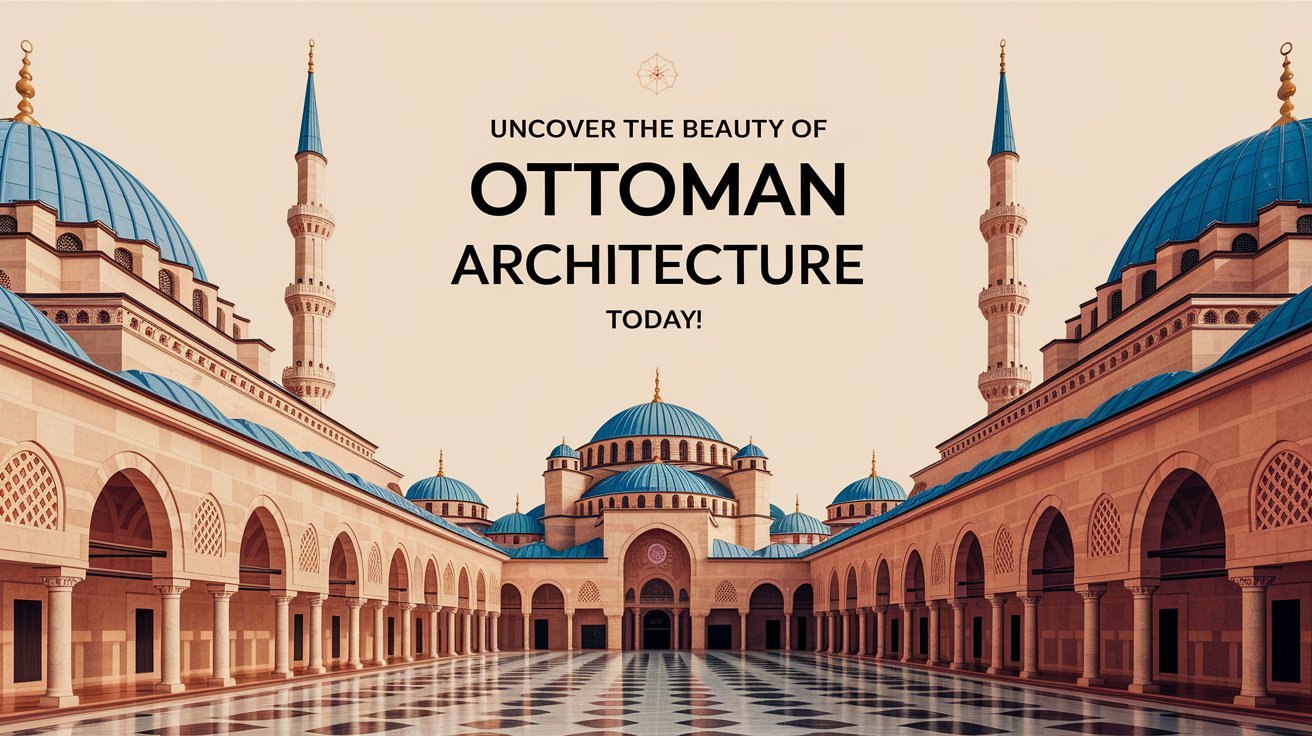
The Ottoman Empire left an indelible mark on world history, spanning over six centuries and three continents. Among its most enduring contributions is its distinctive architectural style that continues to fascinate architects, historians, and travelers worldwide.
From the magnificent domes of Istanbul’s mosques to the intricate tilework of palace walls, Ottoman buildings represent a unique fusion of Byzantine, Islamic, and European influences.
Today, these structures stand as testament to an empire’s artistic vision and engineering prowess. The geometric patterns, soaring minarets, and harmonious proportions found in Ottoman architecture continue to influence contemporary design.
This article examines the key elements that define Ottoman architectural style, traces its historical development, and explores why these centuries-old buildings remain sources of inspiration for modern architects and designers around the globe.
The Origins of Ottoman Architecture
Early Influences: Seljuk and Byzantine Foundations
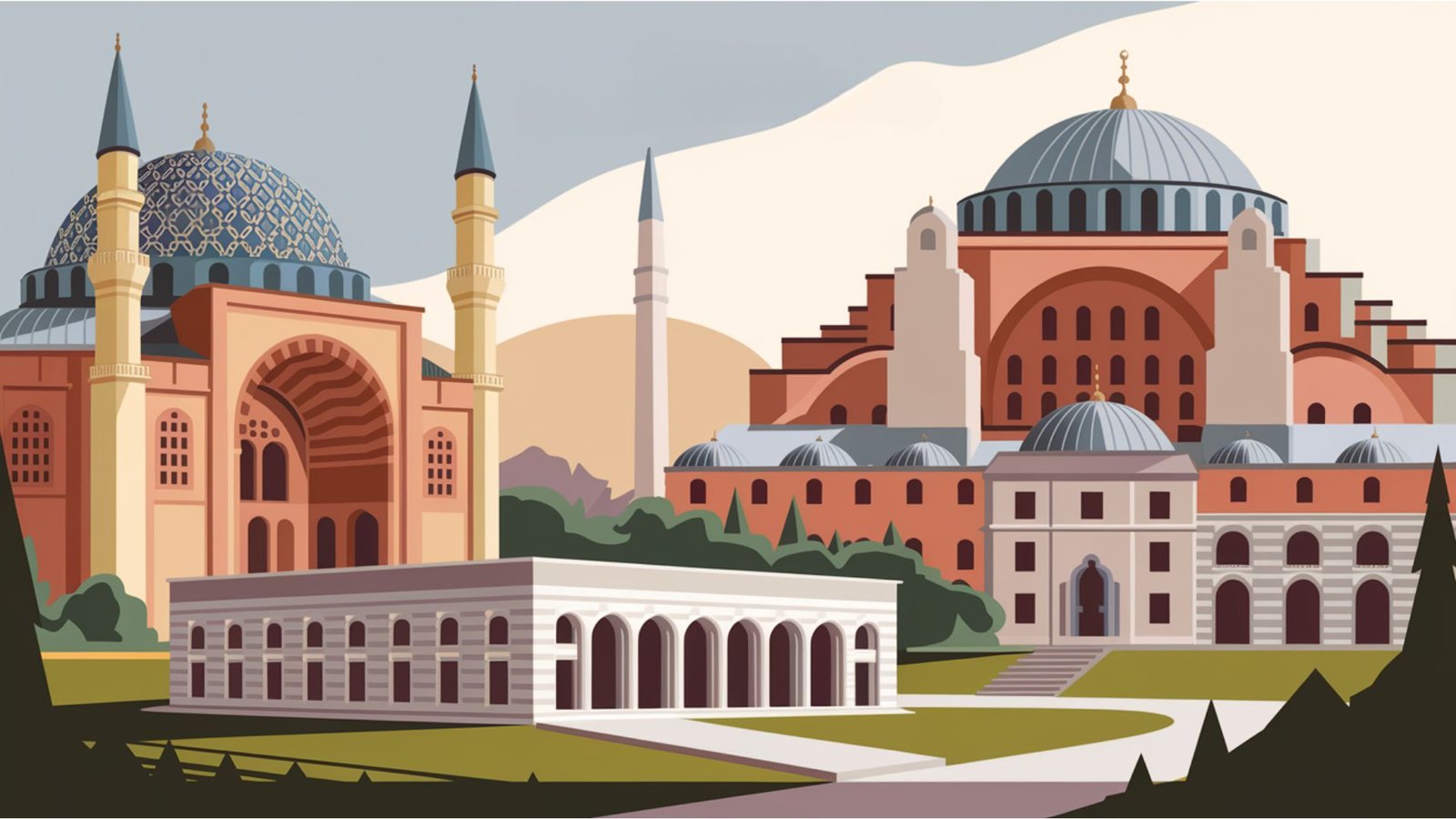
Ottoman architecture built upon existing traditions rather than starting fresh. The Seljuk Turks provided essential elements like geometric patterns, pointed arches, and advanced stonework techniques.
Meanwhile, Byzantine architecture coCreate a historically inspired illustration showcasing the origins of Ottoman architecture. Depict a blend of Seljuk and Byzantine architectural influences, such as geometric tile patterns, pointed arches, and stone construction from the Seljuk style, combined with large domes and expansive interiors inspired by Byzantine structures like Hagia Sophia.
In the foreground, include early Ottoman buildings such as the Orhan Gazi Mosque or Ulu Cami in Bursa, with simple, sturdy forms, single-plan layouts, and modest domes.
Set the scene in a 14th-century Anatolian landscape, with soft natural lighting, warm tones, and a subtle fusion of Eastern and Western architectural elements. The image should feel historical, harmonious, and culturally rich—ideal for visual storytelling without any text.
Create a historically inspired illustration showcasing the origins of Ottoman architecture. Depict a blend of Seljuk and Byzantine architectural influences, such as geometric tile patterns, pointed arches, and stone construction from the Seljuk style, combined with large domes and expansive interiors inspired by Byzantine structures like Hagia Sophia.
The empire’s location between Europe and Asia created a perfect environment for blending Eastern and Western architectural styles.
Orhan Gazi and the Bursa Period
In the 14th century, Orhan Gazi established the foundation of Ottoman architectural identity. As the empire transitioned from nomadic to settled life, permanent religious buildings became necessary.
The Orhan Gazi Mosque and Ulu Cami in Bursa represent this early period, featuring simple designs focused on prayer spaces and community use.
These structures introduced the single-plan layout concept and experimented with dome arrangements that would later define classical Ottoman mosque architecture.
Key Characteristics of Ottoman Architecture
Domes and Minarets: Majestic and Functional
- Central dome mastery – Ottoman builders created vast interior spaces without supporting columns, allowing unobstructed views during prayer
- Minaret significance – These towers served as call-to-prayer platforms and visual landmarks visible across great distances
- Proportional harmony – Mathematical relationships between dome height, diameter, and minaret placement created balanced compositions
Ornate Decorative Elements
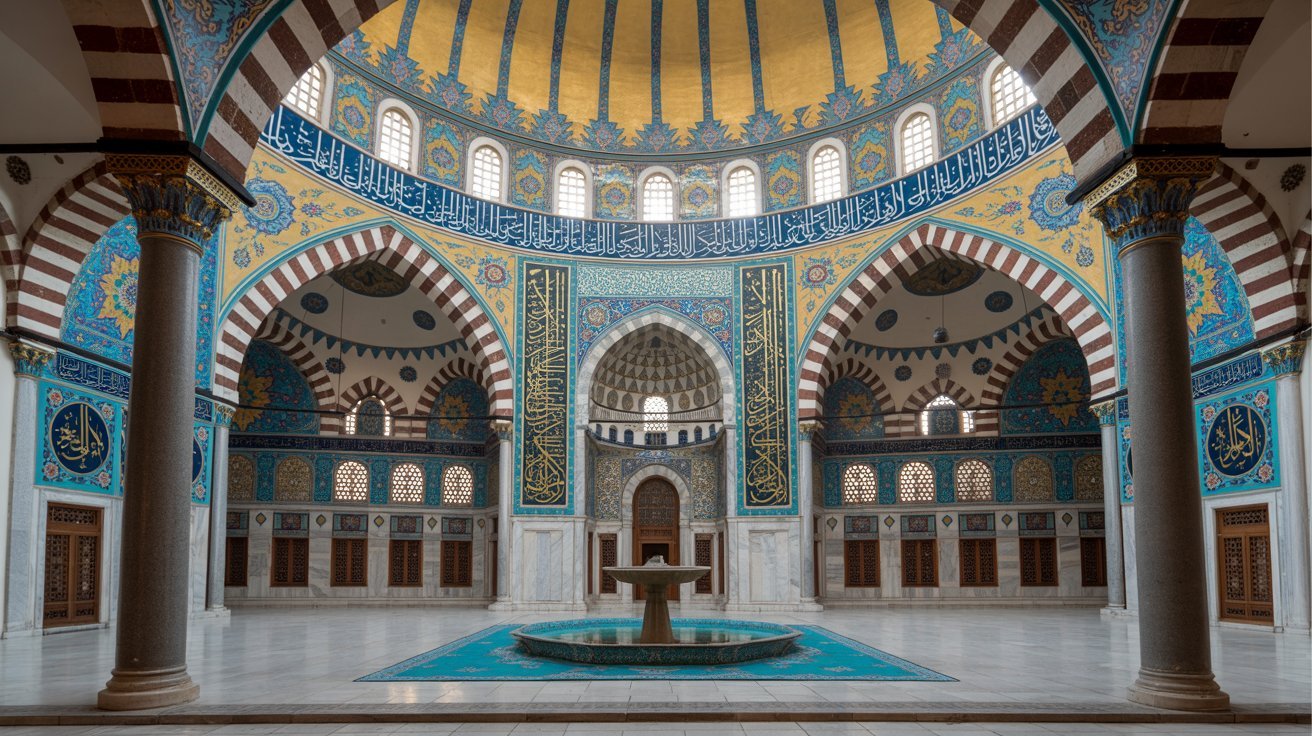
- Iznik ceramic artistry – Vibrant blue, white, and coral-colored tiles featuring floral and geometric patterns covered interior walls.
- Calligraphic art – Arabic verses and decorative scripts served both spiritual and aesthetic purposes.
- Cultural fusion – Persian, Islamic, and Byzantine influences merged into distinctive Ottoman ornamentation.
Integration of Nature: Gardens and Water Features
- Courtyard sanctuaries – Open-air spaces provided transition zones between secular and sacred environments.
- Fountain functionality – Water features served practical ablution needs while creating cooling effects.
- Architectural balance – Buildings and gardens worked together as unified compositions.
Secular vs Religious Architecture
Mosques: Spiritual and Community Centers
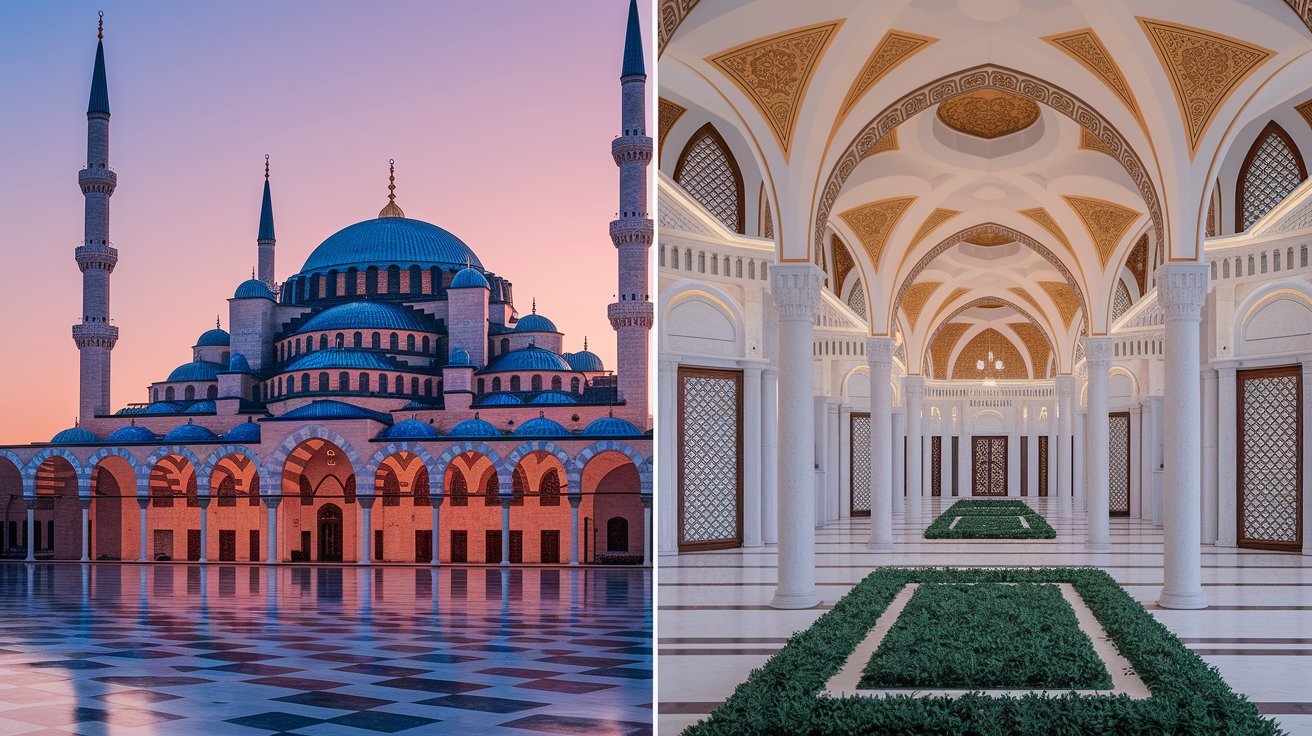
The Süleymaniye Mosque demonstrates Sinan’s engineering mastery with perfect dome construction and acoustic design. The Blue Mosque features six minarets and thousands of blue Iznik tiles creating a spiritual atmosphere.
These religious structures used geometric patterns and calligraphy to reinforce Islamic principles, while serving as community hubs with schools, hospitals, and kitchens alongside worship spaces.
Palaces and Mansions: Secular Grandeur
Topkapi Palace featured interconnected pavilions and private courtyards overlooking the Bosphorus. Dolmabahçe Palace blended Ottoman traditions with European baroque elements, while Beylerbeyi served as a refined summer residence.
These secular buildings showcased horseshoe arches, lattice screens for privacy, and luxury materials including gold-leaf decoration, marble columns, and hand-painted ceilings that demonstrated imperial wealth and artistic sophistication.
The Legacy of Architect Mimar Sinan
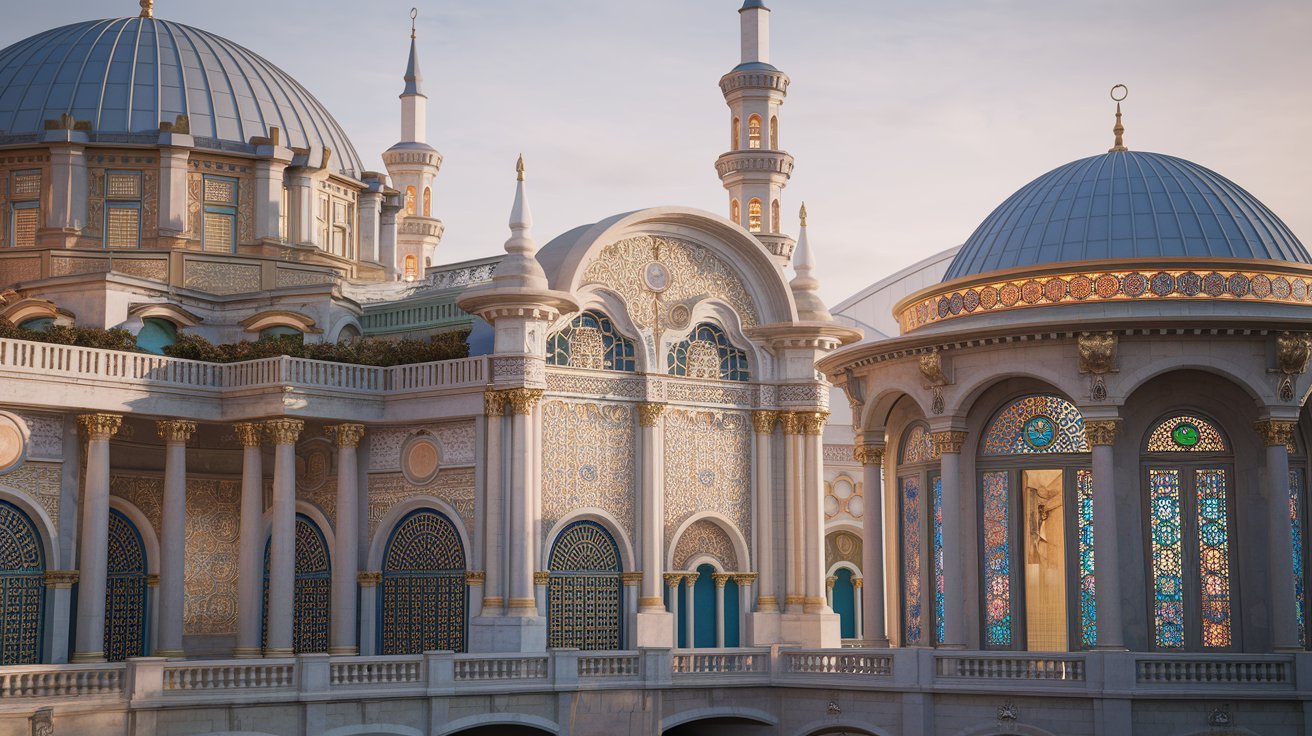
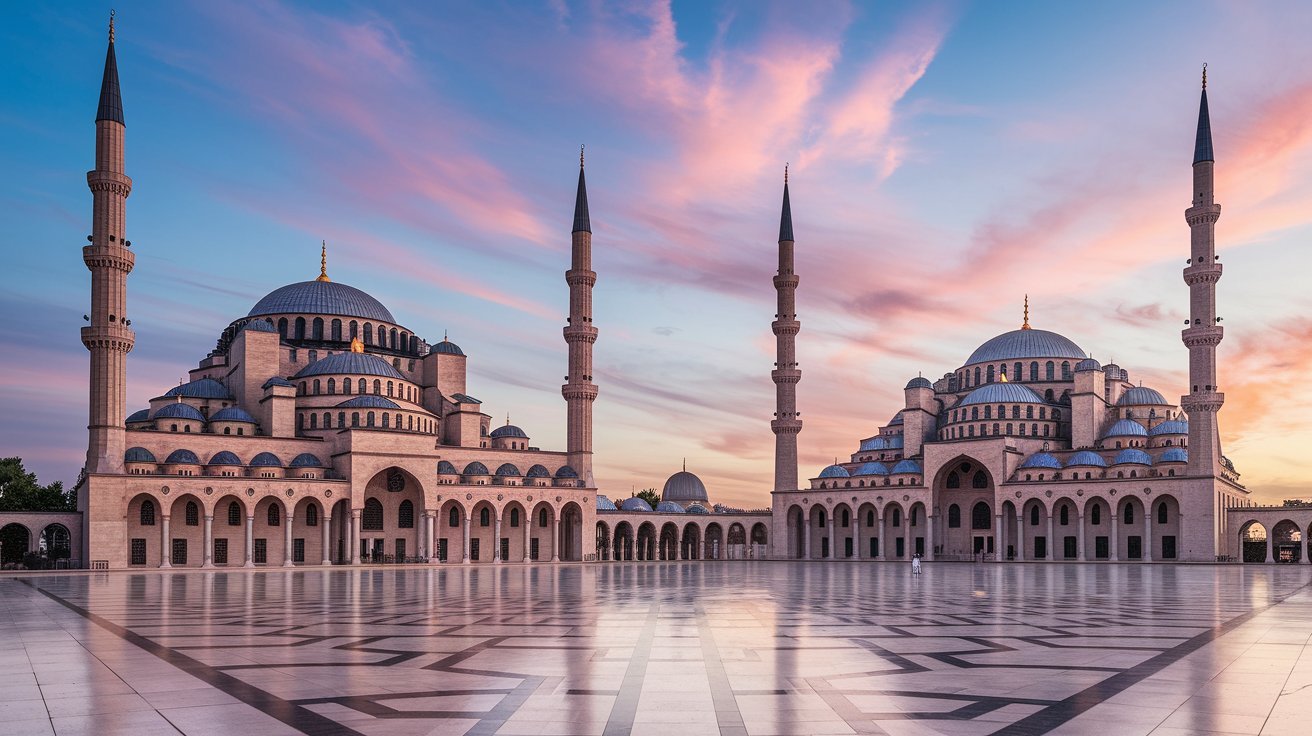
Sinan’s Innovations and Masterpieces
Mimar Sinan revolutionized Ottoman architecture during the 16th century, establishing the classical period’s defining characteristics.
His engineering genius combined mathematical precision with spiritual vision, creating structures that have survived centuries of natural disasters.
The Süleymaniye Mosque in Istanbul represents Sinan’s mature style with its central dome supported by half-domes creating expansive interior space.
His masterpiece, the Selimiye Mosque in Edirne, features a soaring central dome and slender minarets that seem to defy gravity.
Sinan’s innovations included advanced earthquake-resistant features through flexible joint systems and calculated weight distribution. His structures achieved perfect harmony by balancing massive stone elements with precise mathematical relationships.
The architect created interiors where strategically placed windows filter light mystically, while acoustic properties naturally amplify voices throughout the domed spaces without artificial assistance.
The Westernization Phase and Ottoman Revival
Baroque, Rococo, and Neoclassical Influences
During the 18th and 19th centuries, Ottoman architecture transformed as the empire embraced European influences. Baroque ornamental flourishes, rococo decorative elements, and neoclassical symmetry gradually merged with traditional Ottoman forms.
Architects introduced new materials including reinforced concrete, iron frameworks, and stained glass windows that replaced traditional lattice screens. These innovations enabled larger spans, complex structural designs, and colorful light effects previously unseen in Ottoman buildings.
Despite foreign influences, core Ottoman elements persisted. Traditional domes continued crowning important structures, though with modified proportions and European-influenced decorative treatments.
Classical arches remained in doorways and windows, even when surrounded by baroque moldings or rococo ornamentation.
This selective adaptation created a unique hybrid style that preserved Ottoman character while embracing international trends, bridging East and West in the empire’s changing architectural landscape.
Experiencing Ottoman Architecture Today
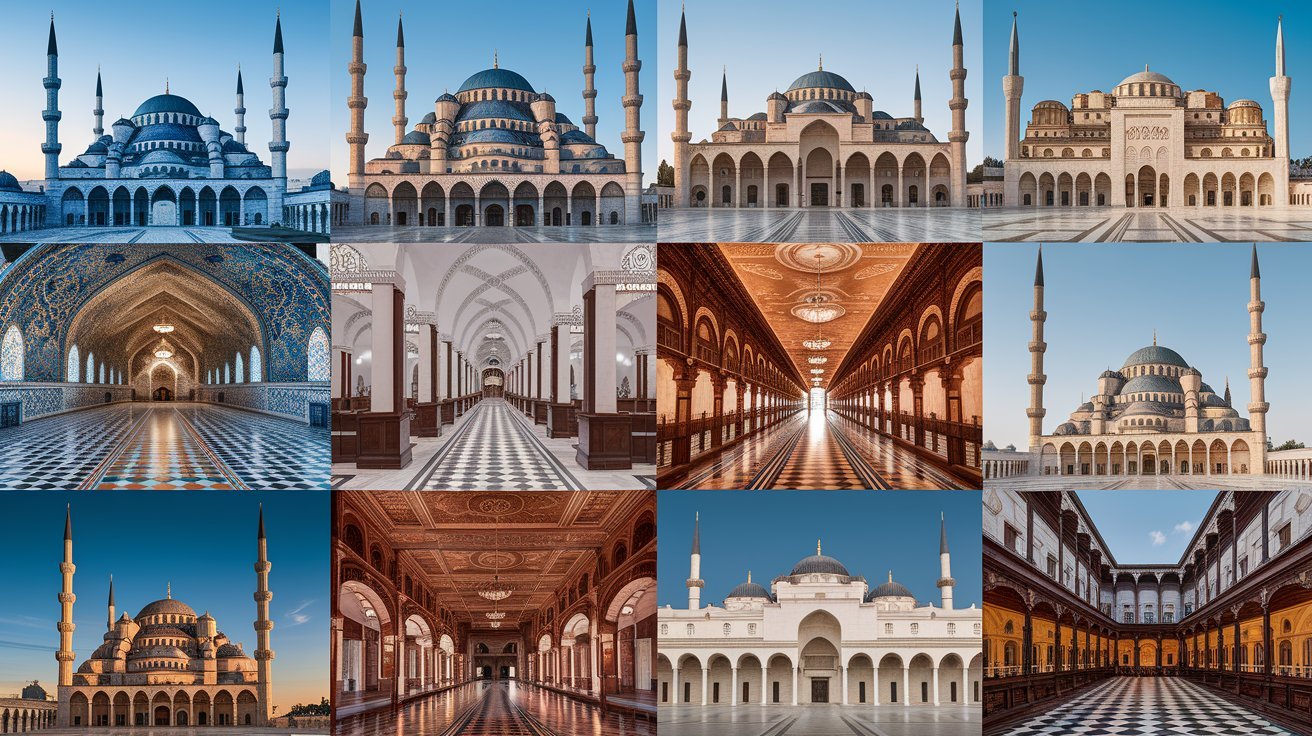
Must-Visit Sites in Istanbul and Beyond
- Istanbul’s architectural treasures – Visit Süleymaniye Mosque, Blue Mosque, Topkapi Palace, and Dolmabahçe Palace to experience the full spectrum of Ottoman design evolution.
- Edirne’s imperial legacy – See Sinan’s masterpiece Selimiye Mosque and the historic Edirne Palace complex.
- Bursa’s early Ottoman heritage – Explore the Green Mosque, Ulu Cami, and original Ottoman tombs in the empire’s first capital.
Museum Visits and Guided Tours
- Museum of Turkish and Islamic Arts – Houses extensive collections of Ottoman decorative arts, carpets, and architectural fragments.
- Professional guided tours – Expert-led visits to historical complexes provide detailed explanations of architectural techniques and historical context.
Stay in History: Ottoman-Inspired Hotels and Mansions
- Restored palace hotels – Boutique accommodations in converted Ottoman mansions offer authentic historical atmosphere.
- Traditional Turkish houses – Restored wooden Ottoman homes now serve as intimate guesthouses with period furnishings.
Ottoman Architecture’s Influence on the Modern World
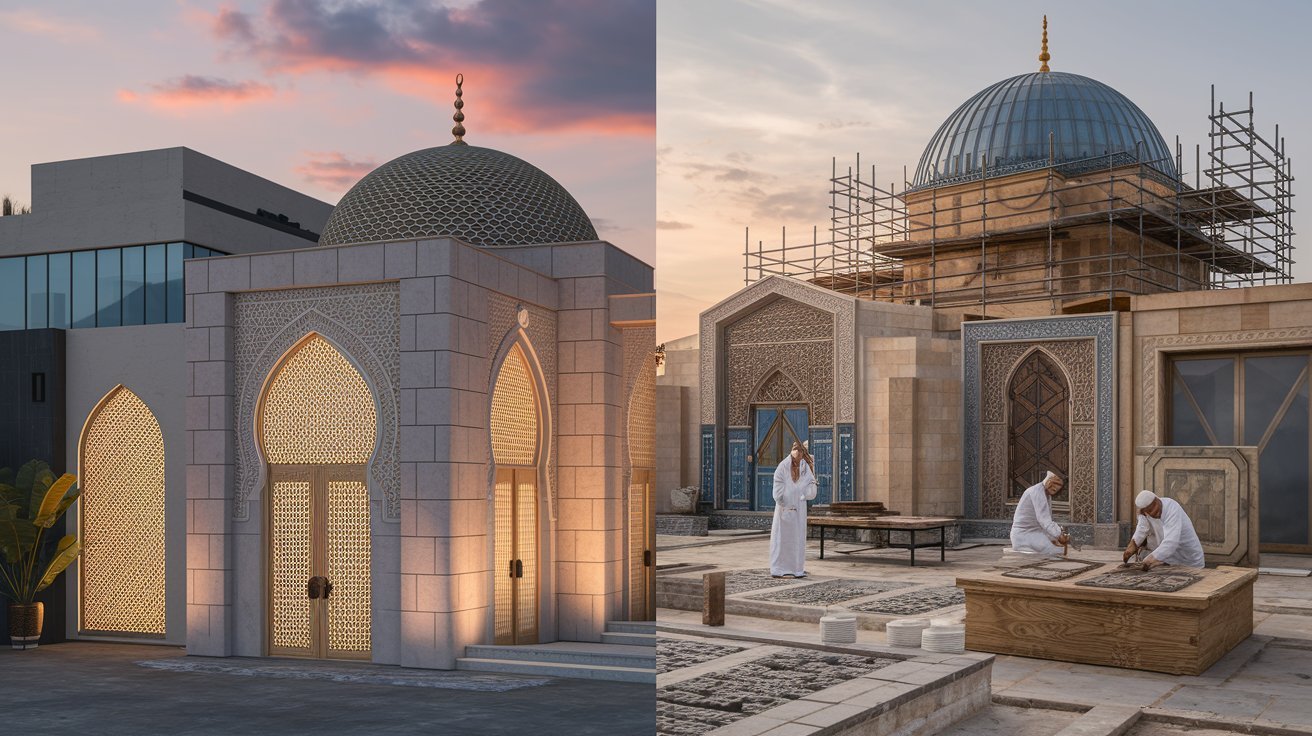
Contemporary Design Inspired by Tradition
Modern architects continue to draw inspiration from Ottoman architectural principles, incorporating traditional elements into contemporary structures.
Domes appear in new buildings as both functional and symbolic features, while natural materials like stone and wood connect modern constructions to historical precedents.
The Ottoman emphasis on symmetry and mathematical proportions influences today’s architects seeking balance and harmony in their designs.
Calligraphy has experienced renewed appreciation, with modern designers integrating Arabic script and geometric patterns into building facades, interior walls, and decorative panels.
Traditional ornamental tilework finds new life in contemporary projects, as artisans combine centuries-old techniques with modern applications.
These adaptations demonstrate how historical design principles can enhance modern architecture while maintaining cultural authenticity.
Preservation and Restoration Efforts
Several Ottoman architectural sites have received UNESCO World Heritage designation, recognizing their global cultural significance and ensuring international protection.
These designations bring resources and expertise needed for proper conservation of irreplaceable historical structures.
Active restoration projects focus on maintaining traditional building techniques and materials to preserve authenticity.
Craftsmen specializing in traditional skills like tile-making, stone carving, and wooden joinery work alongside conservation experts to ensure repairs match original construction methods.
Training programs pass these specialized skills to new generations, preventing the loss of traditional craftsmanship knowledge essential for ongoing preservation efforts.
Conclusion
Ottoman architecture remains relevant because it perfectly combines engineering excellence, artistic beauty, and spiritual meaning.
These structures demonstrate how buildings can serve both practical and transcendent purposes, creating spaces that inspire while meeting everyday needs.
Today’s visitors experience living examples of cultural fusion that show how different traditions can blend successfully while maintaining distinctive character. The enduring appeal lies in Ottoman architecture’s ability to combine art, culture, and spirituality within built form.
These monuments stand as testament to human creativity and architecture’s power to express complex ideas through physical space.
For anyone seeking to understand how buildings can embody cultural values and spiritual aspirations, Ottoman architecture offers profound insights that continue to resonate across centuries.
As you stand beneath a Sinan dome or walk through a palace courtyard, consider this: What aspects of our contemporary architecture will inspire such admiration and reverence five hundred years from now?
Frequently Asked Questions (FAQs)
What makes Ottoman architecture unique compared to other Islamic styles?
Ottoman architecture combines Byzantine dome construction with Islamic geometric patterns and Seljuk stonework techniques. This fusion created distinctive massive central domes, slender minarets, and harmonious proportions.
Who was Mimar Sinan and why is he important?
Mimar Sinan was the chief Ottoman architect during the 16th century, designing over 300 structures including famous mosques. His innovations in dome construction and earthquake-resistant design established the classical Ottoman architectural style.
What materials were commonly used in Ottoman buildings?
Traditional Ottoman construction used stone, brick, marble, and wood as primary materials. Decorative elements included Iznik ceramics, gold leaf, and hand-painted tiles creating rich visual textures.
Can I visit Ottoman architectural sites today?
Yes, many Ottoman structures remain accessible throughout Turkey and former territories. Major sites include Istanbul’s mosques and palaces, Edirne’s Selimiye Mosque, and Bursa’s early buildings.
How did European influences change Ottoman architecture?
Beginning in the 18th century, Ottoman architects incorporated baroque and neoclassical elements while maintaining traditional domes. This period introduced new materials like iron and stained glass, creating a hybrid style.
