

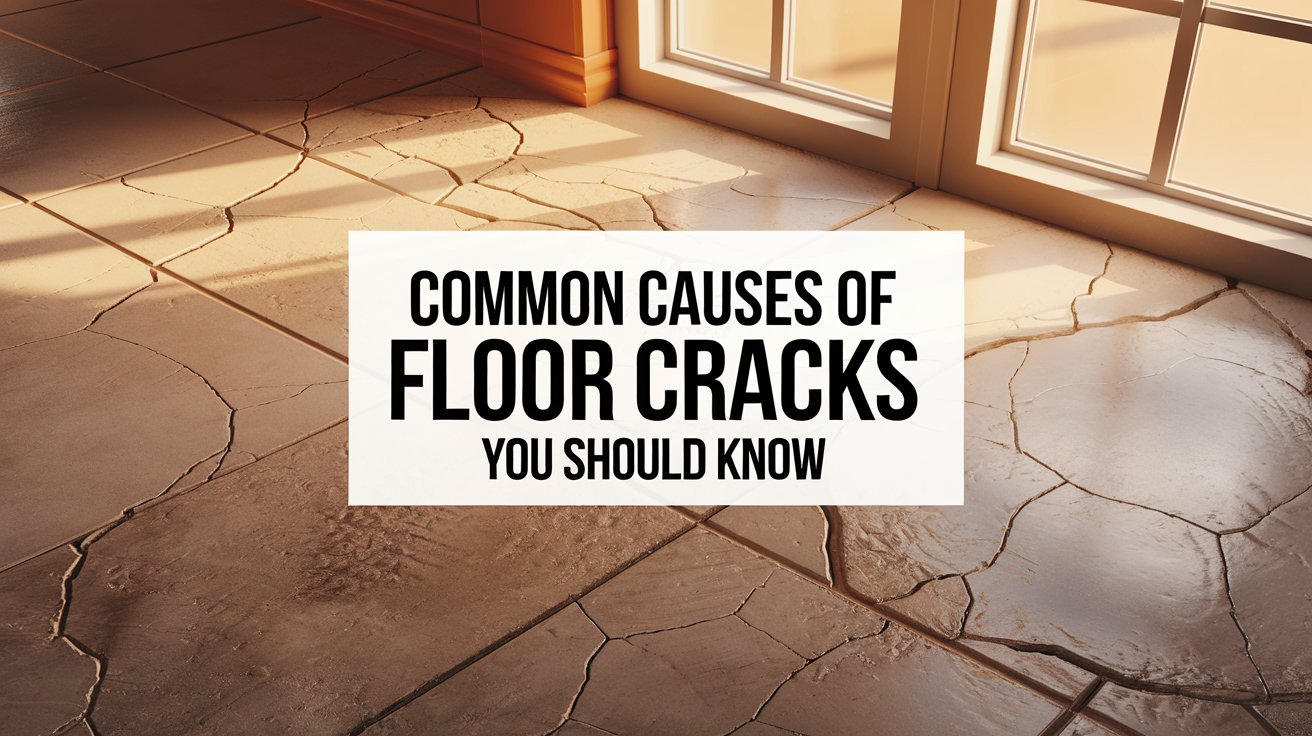
In my years as a flooring contractor, I’ve walked into countless homes and businesses where panicked property owners point to cracks snaking across their floors.
Floor cracks appear in both residential and commercial structures for various reasons, from natural settling to installation errors I’ve witnessed firsthand.
What many people don’t realize is that not all cracks signal disaster, some are cosmetic, while others indicate serious structural issues requiring immediate attention.
The key lesson I’ve learned through hundreds of repair jobs is this: never attempt fixes without identifying the root cause first.
I’ve seen homeowners spend thousands on surface repairs, only to watch the same cracks reappear months later.
Understanding why your floor cracked determines whether you need simple cosmetic work or major structural intervention, saving you time, money, and future headaches.
Understanding the Common Causes of Floor Cracks
Floor cracks can appear for several reasons, and identifying the root cause is essential for proper repair. Settlement issues occur when the foundation shifts or settles unevenly, creating stress on flooring materials.
Temperature fluctuations cause expansion and contraction, particularly affecting concrete and tile surfaces. Poor installation techniques, such as inadequate subfloor preparation or improper spacing, frequently lead to cracking problems.
Moisture damage from leaks, humidity, or inadequate vapor barriers weakens floor materials over time.
Heavy loads and foot traffic can also contribute to structural stress. Age-related wear naturally causes materials to deteriorate, making them more susceptible to cracking and damage.
List of 7 Common Causes of Floor Cracks
Floor cracks result from various factors, including soil movement, poor construction practices, weather conditions, and inadequate drainage systems.
1. Soil Movement and Expansion
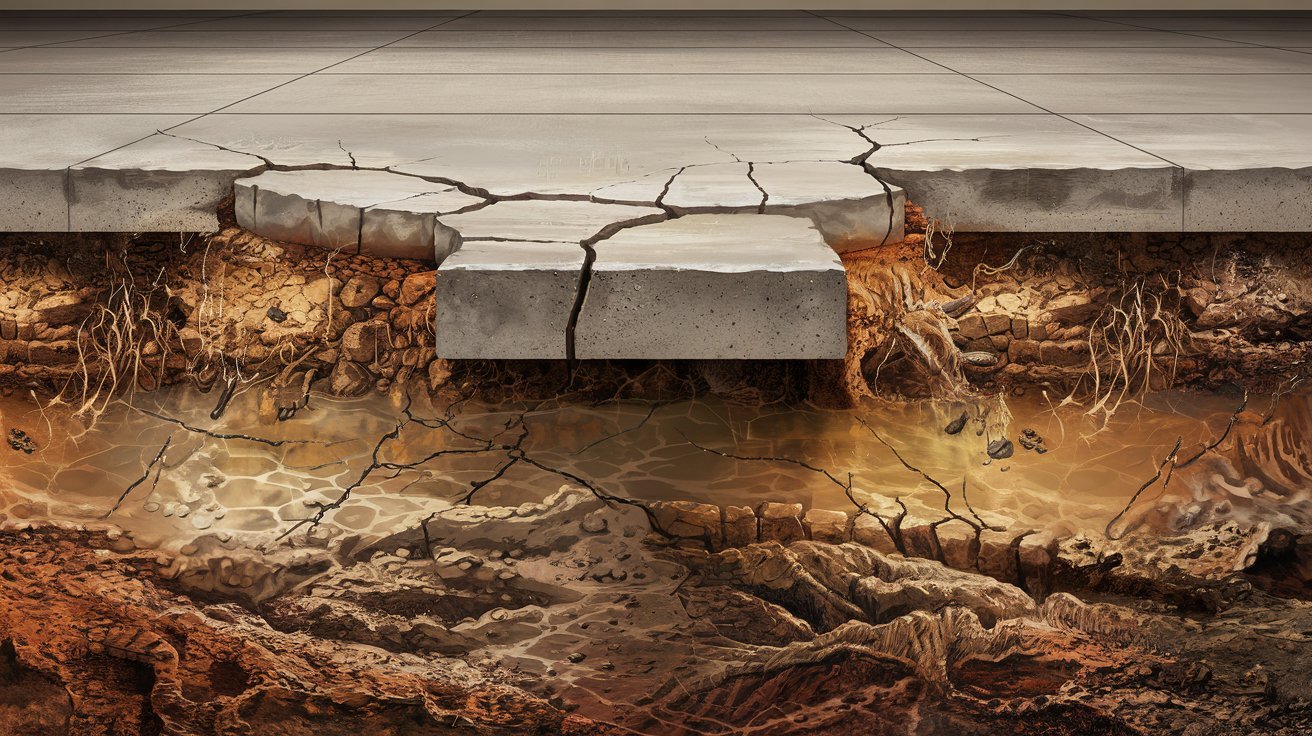
Clay Soil Expansion
Clay soil acts like a sponge, absorbing water during wet seasons and swelling significantly in volume.
When dry conditions return, the same soil contracts and shrinks, creating an unstable foundation.
This constant expansion and contraction cycle places tremendous stress on concrete slabs above, as the ground moves beneath the structure.
Impact on Concrete Floors
The swelling clay soil creates uneven pressure points that lift sections of concrete flooring irregularly.
These lifting forces cause the rigid concrete to crack as it cannot flex with the moving soil.
Areas with poor drainage experience more severe lifting, while well-drained sections may sink slightly, creating uneven surfaces that stress the concrete beyond its tensile strength limits.
2. Settlement and Uneven Support
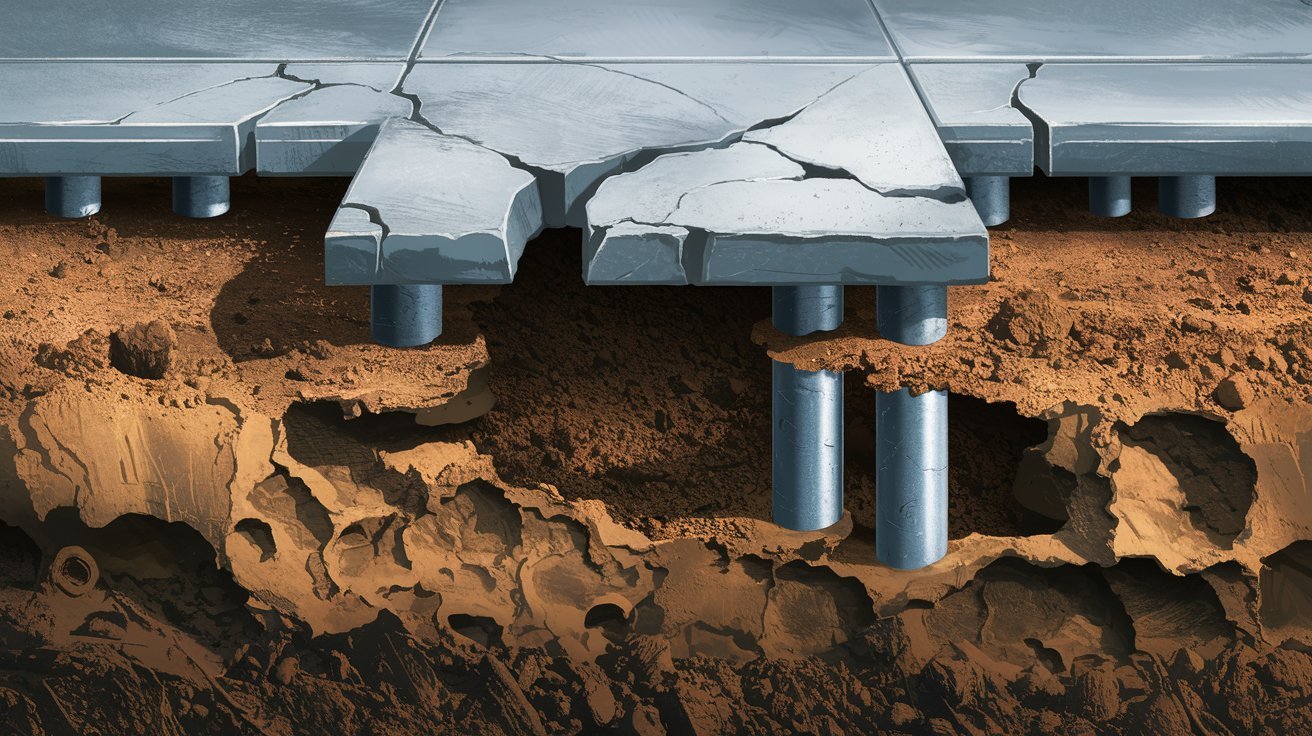
Poorly Compacted Soil
Inadequate foundation preparation creates weak spots beneath concrete slabs that settle over time.
When soil isn’t properly compacted during construction, air pockets and loose areas remain that gradually compress under the weight of the structure.
This settling happens unevenly across the foundation, creating stress points where the concrete lacks proper support.
Sinking Slabs
Unsupported sections of concrete develop into low spots that create structural stress throughout the entire slab.
As some areas sink while others remain stable, the concrete experiences bending forces it wasn’t designed to handle.
These uneven surfaces not only cause visible cracks but also affect the structural integrity of the entire flooring system.
3. Temperature and Moisture Changes

Seasonal Temperature Shifts
Concrete expands when heated and contracts when cooled, following predictable cycles throughout the year.
During hot summer months, the material grows slightly larger, while cold winter temperatures cause it to shrink back.
These repeated expansion and contraction cycles gradually weaken the concrete matrix, eventually leading to stress fractures along the weakest points.
Moisture Levels
Humidity changes and water infiltration play crucial roles in widening existing cracks over time.
High moisture levels can cause concrete to expand slightly, while dry conditions promote shrinkage.
Water that seeps into small cracks freezes during cold weather, expanding and forcing the crack wider with each freeze-thaw cycle.
4. Excess Water in the Concrete Mix
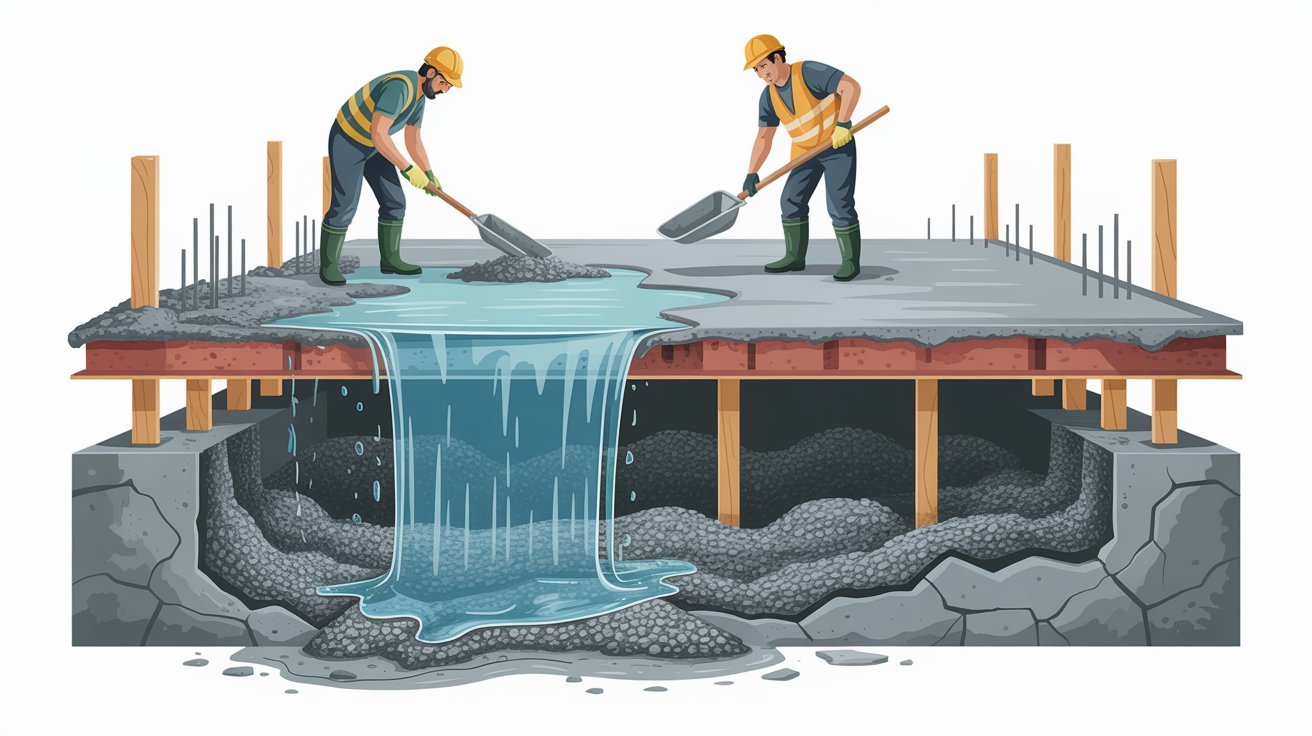
Construction Mistakes
Overwatering the concrete mix during installation is a common error that significantly weakens the final product.
Contractors sometimes add extra water to make the concrete easier to work with, not realizing this compromises the chemical curing process.
The excess water dilutes the cement paste that binds the aggregate together, reducing overall strength.
Weakening of the Slab
Excess water affects both the curing process and the long-term durability of concrete slabs.
The additional water creates more porous concrete with reduced compressive strength, making it susceptible to cracking under normal loads.
This weakened concrete also becomes more permeable to moisture, accelerating deterioration over time.
5. Rapid Drying of Concrete
Shortened Curing Time
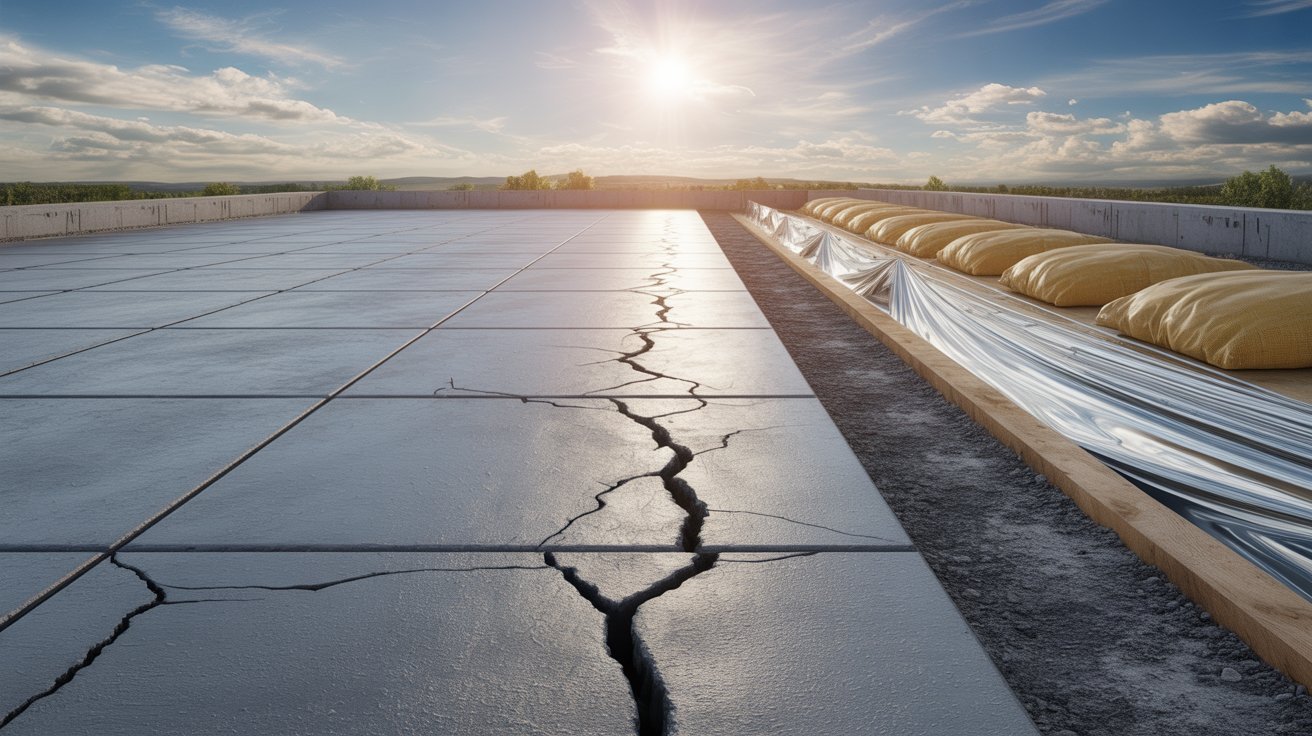
Rushing the concrete curing process causes shrinkage cracks as the surface dries faster than the interior.
When concrete loses moisture too quickly, the surface contracts while the interior remains at its original size, creating tension that results in surface cracking.
Hot, windy, or dry conditions accelerate this problematic rapid drying.
Preventive Measures
Proper curing techniques include keeping concrete moist for at least seven days using wet burlap, plastic sheeting, or curing compounds.
Contractors should avoid working during extreme weather conditions and use windbreaks or shade structures when necessary.
These methods ensure even moisture loss and allow the concrete to reach its full strength potential.
6. Geological Activity
Earthquakes and Seismic Shifts
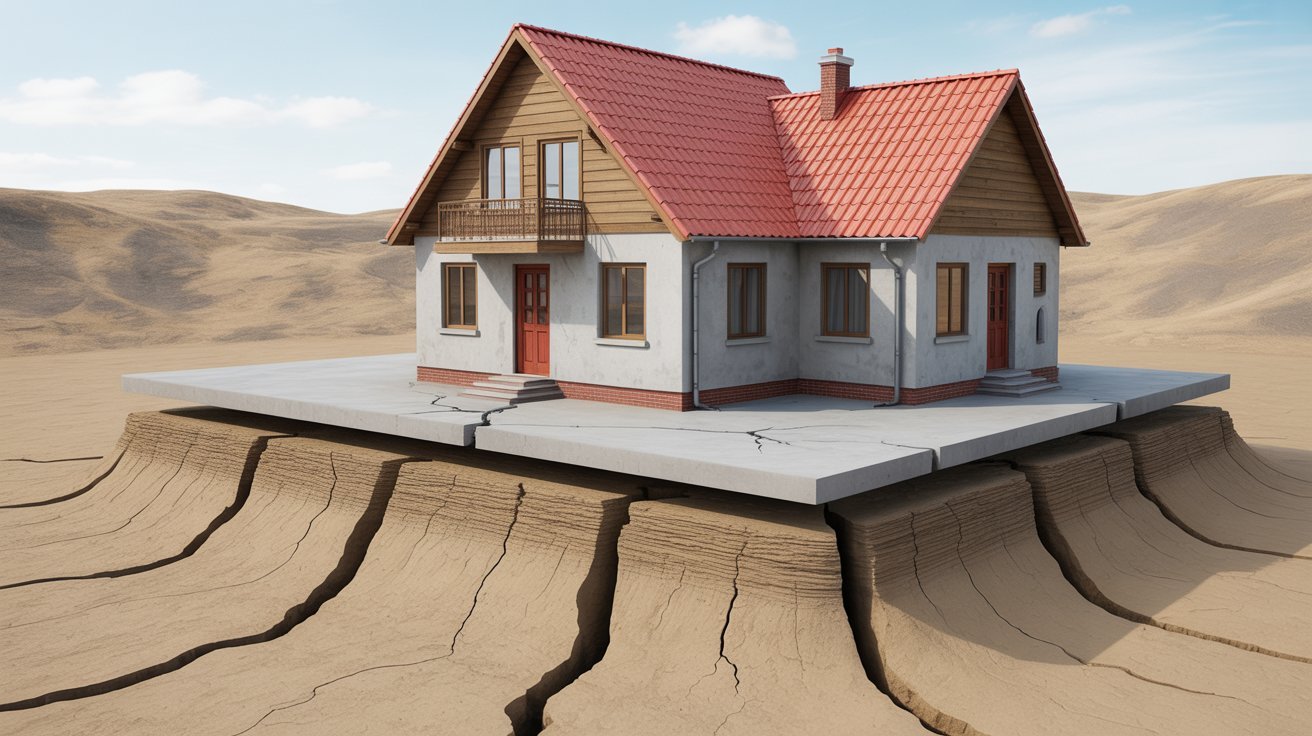
Geologically active regions like California face increased crack risks due to ground movement from seismic activity.
Even minor earthquakes can cause enough ground shifting to stress concrete floors beyond their design limits.
The sudden lateral forces and vertical movements during seismic events create instant stress fractures in rigid flooring materials.
Long-Term Monitoring
Structural inspections become critical in seismic zones to monitor existing cracks and identify new damage after earthquakes.
Property owners should document crack locations and sizes regularly, watching for changes that indicate ongoing structural movement.
Professional assessments help determine when cracks require immediate repair versus routine monitoring.
7. Poor Drainage and Water Damage
Water Seepage into Cracks
Moisture infiltration through existing cracks creates a destructive cycle that worsens the original damage.
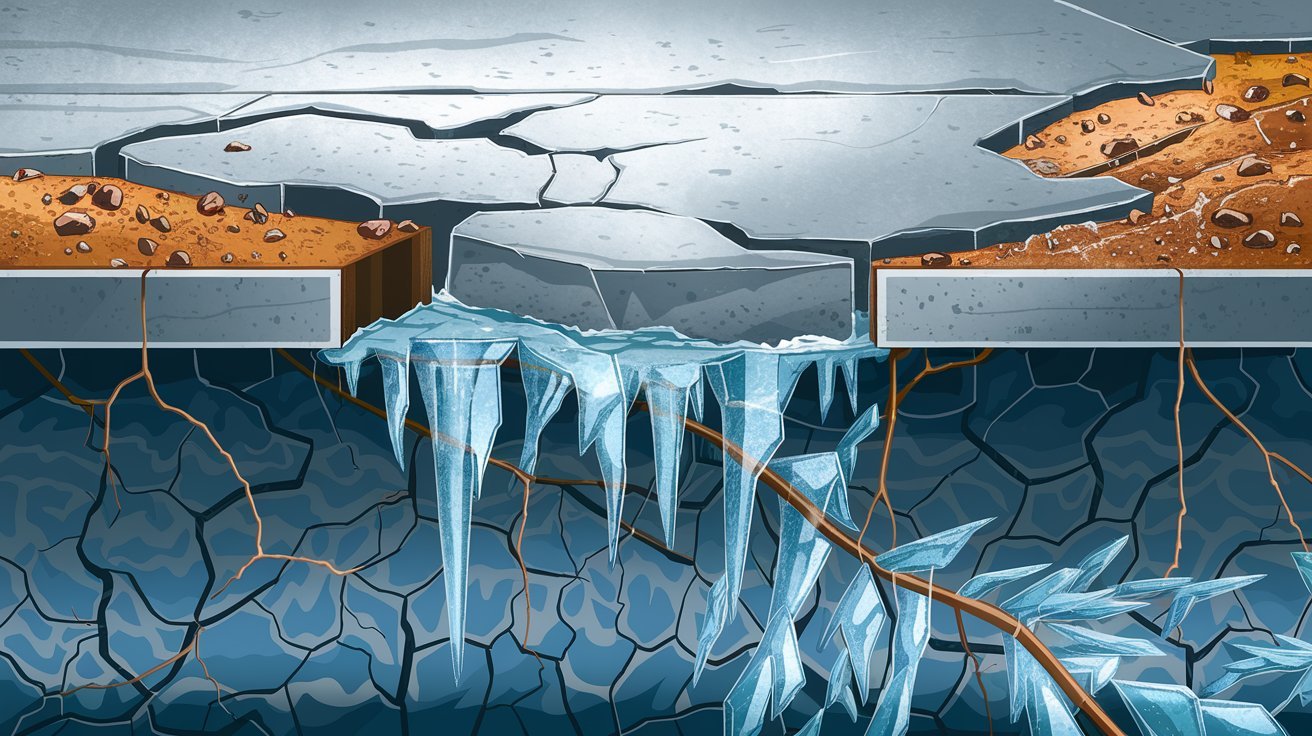
Water seeps into small cracks, carrying minerals that can expand as they crystallize, forcing the crack wider.
During freezing weather, this trapped water expands significantly, creating hydraulic pressure that enlarges the crack with each freeze-thaw cycle.
Role of Moisture Control Systems
Preventive solutions include proper site grading, French drains, and vapor barriers to protect flooring from water intrusion.
Effective moisture control systems redirect surface water away from the foundation and prevent groundwater from reaching the concrete slab.
These protective measures significantly extend floor life and reduce crack formation from water-related damage.
Tips to Prevent and Manage Floor Cracks
- Maintain proper drainage: Keep gutters clean and extend downspouts six feet from the foundation to prevent water pooling near the structure.
- Control indoor humidity: Use dehumidifiers and ventilation to maintain 30-50% humidity levels and prevent moisture-related floor damage.
- Schedule regular inspections: Check for new cracks, foundation movement, and moisture issues to catch problems before they worsen.
- Document crack changes: Photograph and measure existing cracks to track growth patterns and identify serious structural concerns.
- Invest in early repairs: Address minor cracks immediately with professional help to prevent costly major damage later.
- Use professional services: Ensure proper repair materials and techniques for long-lasting solutions rather than temporary fixes.
Conclusion
Throughout my career inspecting damaged floors, I’ve consistently seen these seven causes create the majority of cracking problems, soil movement, poor foundation support, temperature changes, construction errors, rapid concrete drying, seismic activity, and water damage.
Each situation teaches me that early detection makes the difference between simple repairs and costly structural work.
I always tell my clients that small cracks today become major problems tomorrow without proper attention.
Professional assessment helps distinguish between cosmetic issues and serious structural concerns that require immediate intervention.
Don’t wait until minor cracks become major headaches, schedule regular inspections and address problems while they’re still manageable.
Take action now by examining your floors for new cracks and consulting qualified professionals about any concerns.
Your proactive approach today prevents expensive repairs and protects your property’s long-term value and safety.
Frequently Asked Questions
What is the most common cause of floor cracks?
Soil movement and expansion, particularly with clay soils, cause the majority of floor cracking issues. Clay soil swells when wet and contracts when dry, creating uneven pressure that stresses concrete beyond its limits.
Can temperature changes crack concrete floors?
Yes, seasonal temperature shifts cause concrete to expand and contract in predictable cycles throughout the year. These repeated movements gradually weaken the concrete matrix, eventually creating stress fractures along vulnerable points.
How do I know if my floor cracks are serious?
Monitor crack width, length, and any changes over time to assess severity levels. Cracks wider than a quarter-inch, those that grow rapidly, or cracks accompanied by uneven floors require immediate professional evaluation.
Should I repair floor cracks myself or hire professionals?
Small cosmetic cracks may be suitable for DIY repair, but structural issues require professional assessment and treatment. Attempting major repairs without proper knowledge often leads to recurring problems and additional damage costs.
How can I prevent floor cracks from forming?
Proper site preparation, adequate drainage, and correct concrete installation techniques prevent most cracking issues. Regular maintenance, moisture control, and professional inspections help identify potential problems before they become serious structural concerns.
