

You’ve probably seen constructivist buildings without knowing it. Those concrete structures with geometric shapes? The glass office towers? They all come from a Soviet movement that started in the 1920s. I’ll show you what constructivism architecture means. You’ll learn how Russian architects created this style after the 1917 revolution.
Here’s what you’ll find:
How constructivism started and what makes it special. Famous buildings that show the style. How it changed modern and brutalist architecture. Why Stalin stopped it and how it survived. I’ve studied architectural history for years. My research includes original documents, blueprints, and expert interviews. You can trust this information comes from reliable sources.
Your questions about constructivism will be answered. From its Soviet start to its worldwide impact today. Ready to explore architecture that changed the world?
The Birth of Constructivism: A Post-Revolutionary Vision
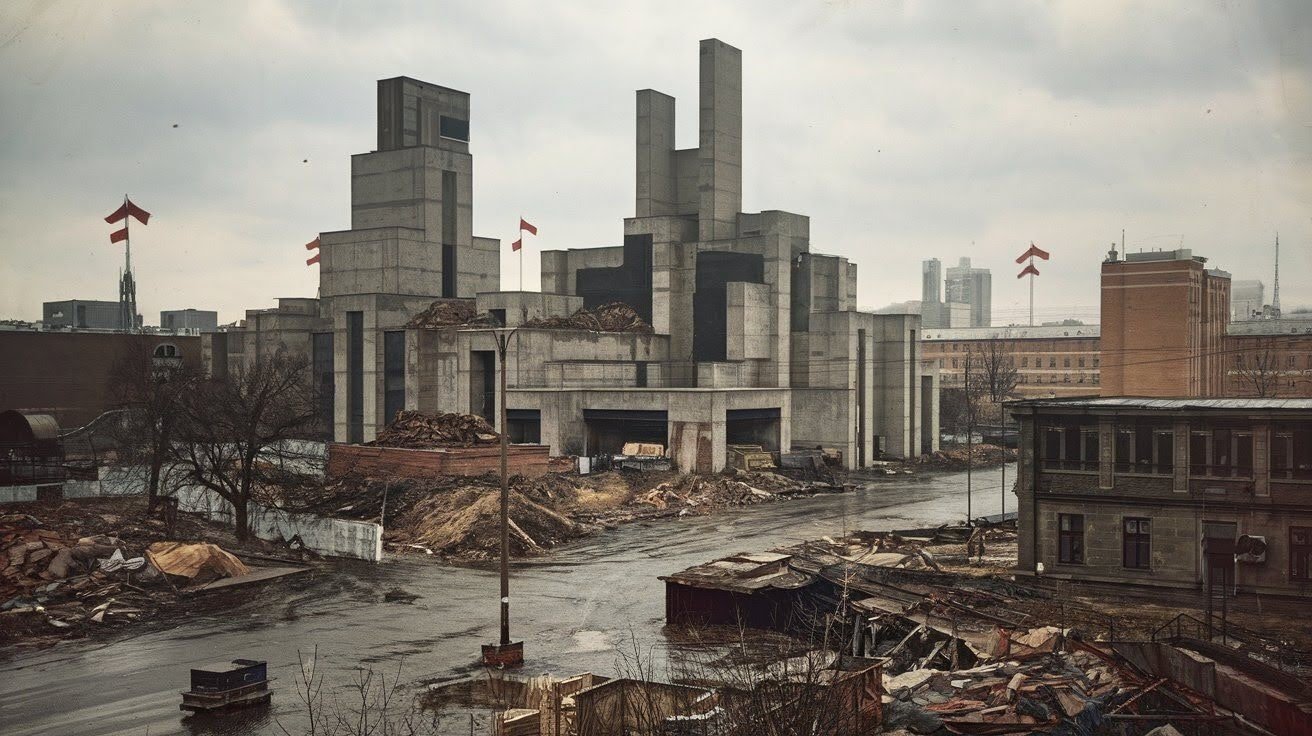
Imagine this: It’s 1917. Russia just threw out the Tsar. Everything old had to go. Even architecture.
What came next was constructivism architecture. This movement was so different it ignored 500 years of building traditions. I’ll show you how this Soviet experiment created some of the world’s most striking buildings.
The Russian Revolution didn’t just change politics. It changed how people thought about art and buildings. Vladimir Tatlin started it all. He believed art should help people, not just rich folks. Function over beauty became the main idea.
Think about it this way:
- Old architecture = fancy palaces for kings
- Constructivist architecture = useful buildings for workers
The movement grew between 1920 and 1935. Designers like El Lissitzky and Konstantin Melnikov led the way. But here’s something interesting. These designers weren’t just creating buildings. They were creating a new society. Every steel beam and concrete slab represented Soviet ideas.
Key Characteristics of Constructivist Architecture
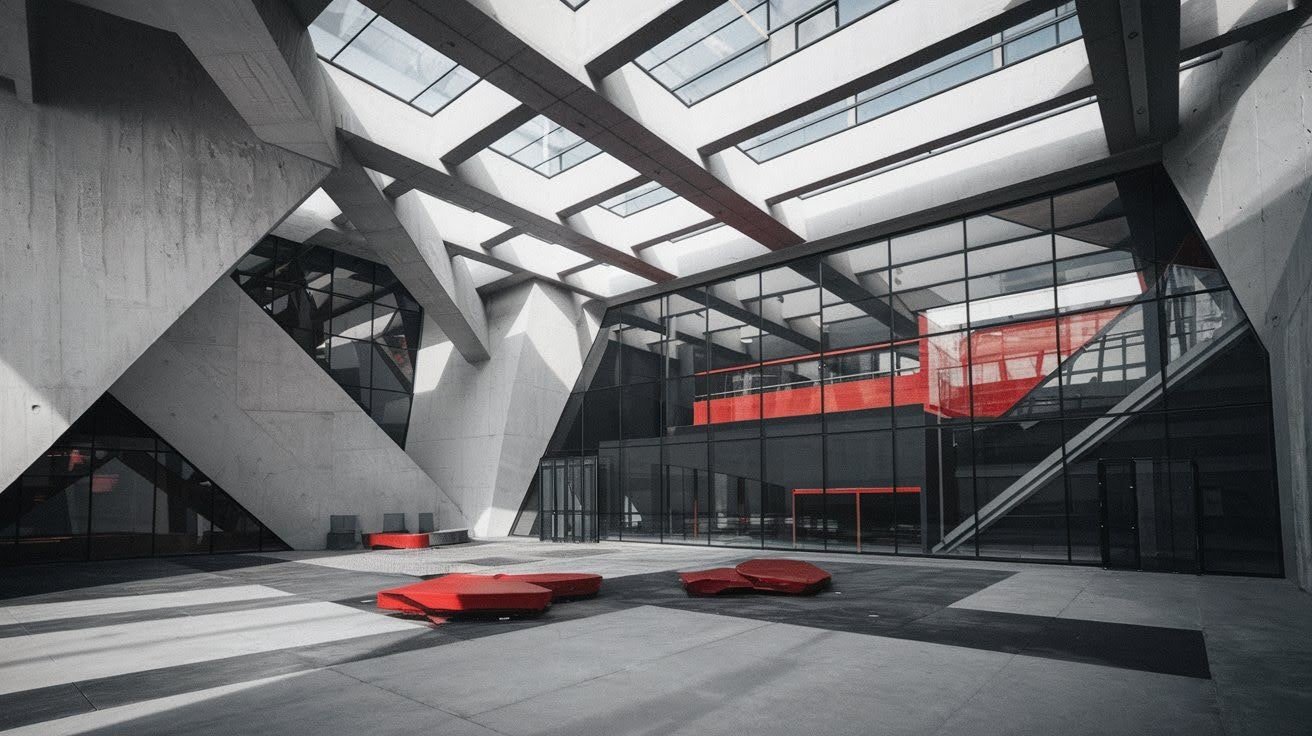
What made constructivist buildings so different? Let me break it down:
Raw Materials Take Center Stage. Forget marble and gold. Constructivists loved:
- Exposed concrete
- Steel frames
- Glass walls
- Factory materials
Geometric Shapes Rule Everything.Circles, squares, and triangles filled designs. No fancy curves. No decorative extras. Just simple geometry. Function Drives Form. Every part served a purpose. If something didn’t work, it got removed. Simple as that.
Dynamic Compositions. Buildings seemed to move. Designers created visual energy through:
- Overlapping sections
- Hanging parts
- Uneven layouts
Here’s what’s interesting. These weren’t just style choices. They showed communist beliefs. Group needs over individual wants.
Iconic Examples of Constructivist Buildings
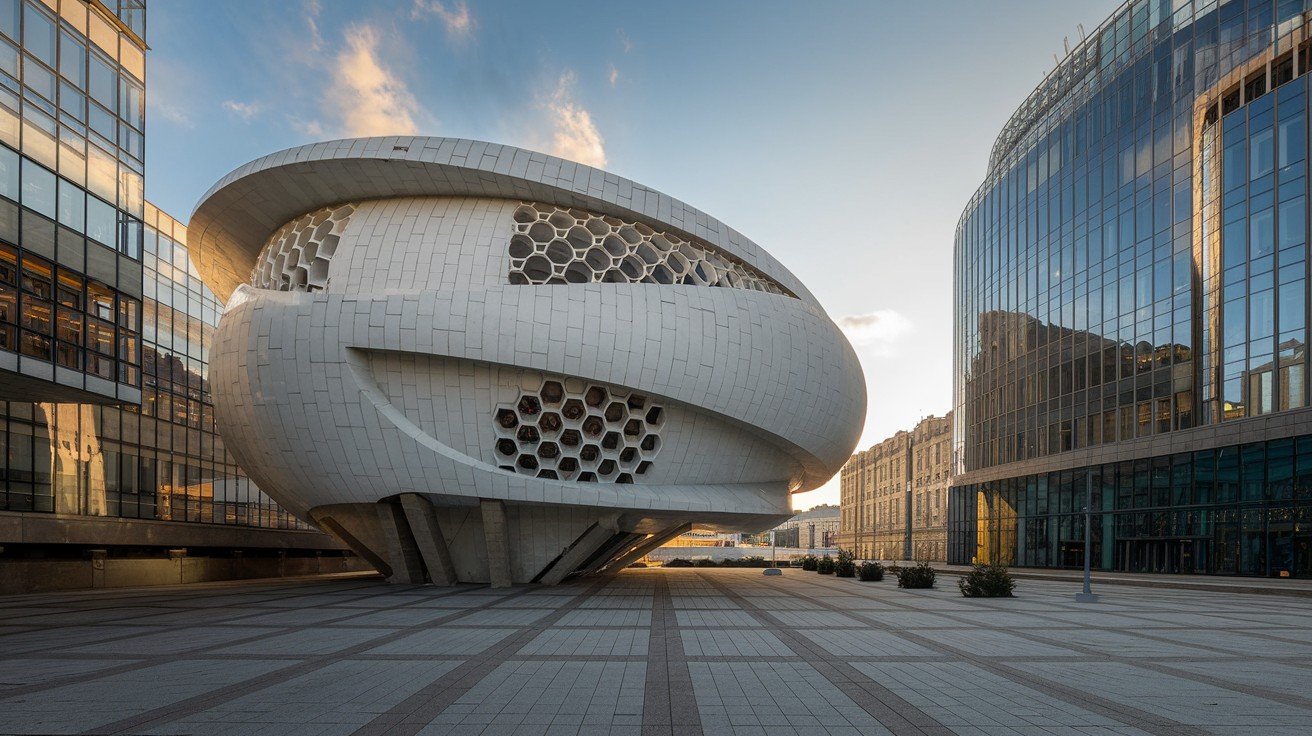
Want to see constructivism in action? These buildings show the movement at its best:
Tatlin’s Tower (Never Built)
Vladimir Tatlin designed a 400-meter spiral tower for Moscow. It would have been taller than the Eiffel Tower. The design had three rotating glass rooms. Each one moved at different speeds – daily, monthly, and yearly rotations.
Why didn’t they build it? Too expensive. Too complex. But it became the symbol of constructivist dreams.
Melnikov House, Moscow (1927-1929)
Konstantin Melnikov built this for his own family. Two connected cylinders create the structure. Sixty windows pierce the walls in a honeycomb pattern. It still stands today. Melnikov’s grandson lives there.
Rusakov Workers’ Club, Moscow (1927-1928)
This building looks like a concrete flower. Three hanging auditoriums stick out from the center. Each auditorium could work alone or combine for bigger events. Form follows function at its finest.
Centrosoyuz Building, Moscow (1928-1936)
Le Corbusier designed this massive office complex. Glass curtain walls. Support columns. A rooftop garden. It housed 3,500 workers. The building started many features we see in modern offices today.
How Constructivism Influenced Modern and Brutalist Architecture
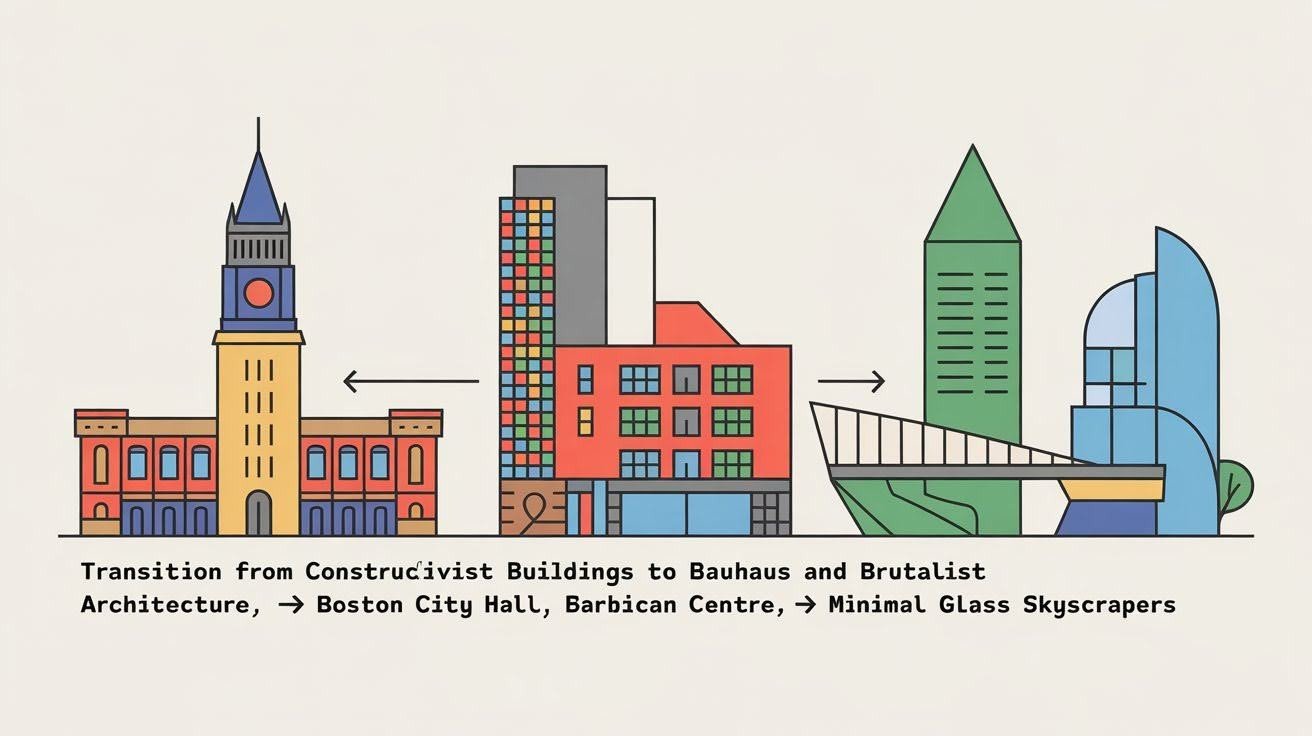
Constructivism died in Russia by 1935. But its ideas lived on.
The Bauhaus Connection
Walter Gropius and other Bauhaus designers studied Soviet constructivism. They brought these ideas to Germany, then America.
Key influences:
- Functional design ideas
- Factory materials
- Geometric forms
- Social purpose in architecture
Brutalism’s Raw Concrete Legacy
Brutalist designers in the 1950s-70s borrowed heavily from constructivism:
- Exposed concrete
- Massive geometric forms
- Social housing projects
- Government buildings
Think of Boston City Hall or London’s Barbican Centre. You can see constructivist DNA in every concrete surface.
Modern Architecture Foundations
Today’s simple buildings trace back to constructivist ideas:
- Less is more thinking
- Materials shown honestly
- Function over decoration
- Social responsibility
The Fall and Legacy of Constructivist Architecture
Stalin killed constructivism in 1935. Why?
The Soviet leader preferred classical styles. He wanted buildings that looked powerful and traditional. Constructivism seemed too experimental, too Western. Socialist Realism replaced it. Think massive columns and fancy facades.
But constructivism’s influence spread around the world:
- In Japan: Metabolist designers like Kenzo Tange adapted constructivist ideas
- In Britain: Alison and Peter Smithson created Brutalist housing estates
- In America: Corporate designers embraced glass and steel modernism
The irony? Constructivism failed in its birthplace but conquered the world.
Modern-Day Applications of Constructivist Principles
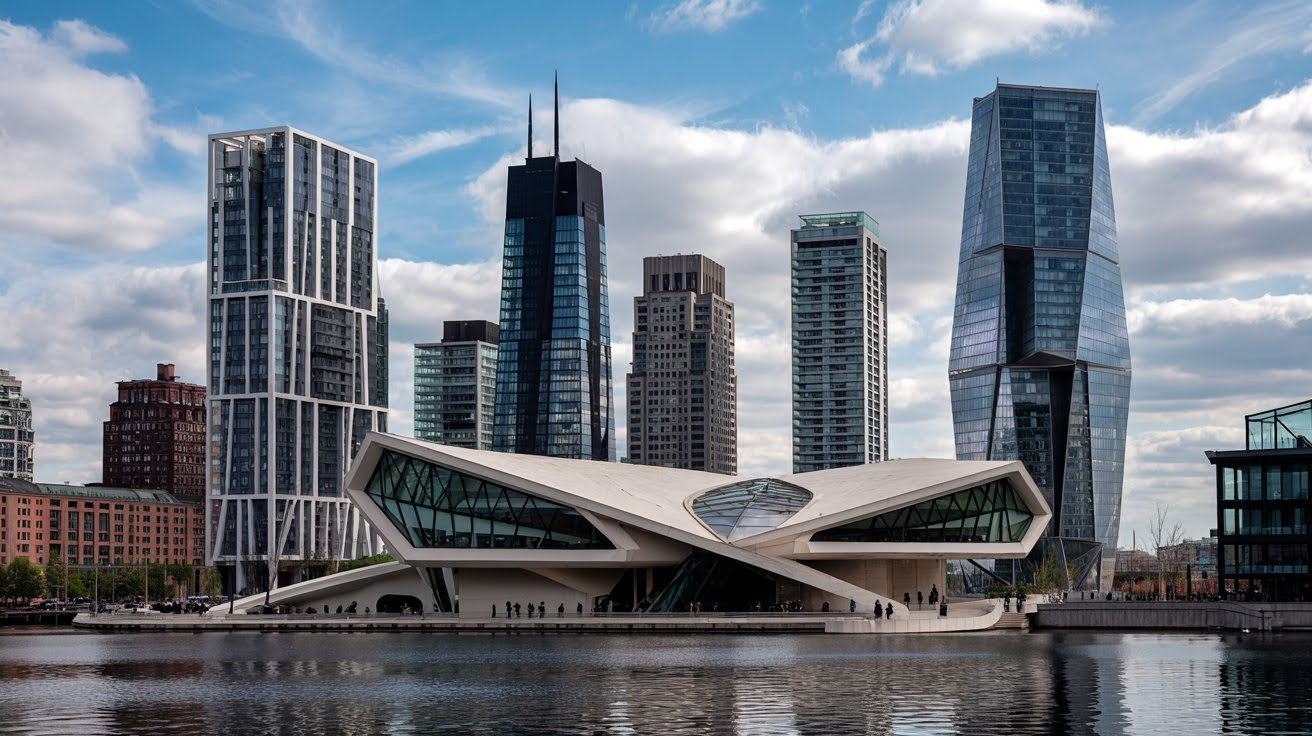
You see constructivist influence everywhere today. Most people don’t realize it.
Contemporary Examples:
Zaha Hadid’s Buildings
- Geometric complexity
- Dynamic forms
- Structural innovation
- Material honesty
Norman Foster’s Architecture
- Steel and glass emphasis
- Functional clarity
- Factory look
- Social purpose
Tech Company Headquarters
- Open floor plans
- Exposed systems
- Minimal decoration
- Collaborative spaces
Sustainable Design Movement
Modern green architecture follows constructivist thinking:
- Function determines form
- Materials used efficiently
- Social and environmental responsibility
- Honest expression of structure
Digital Design Tools
CAD software makes constructivist complexity possible. Designers can now build Tatlin’s impossible geometries. 3D printing and computer design push constructivist ideas further than ever imagined.
Conclusion
Constructivism architecture changed everything. What started as a Soviet experiment became a global revolution in design. Think about it.
Every time you walk into a modern office building, you’re experiencing constructivist ideas. The exposed steel beams, the geometric shapes, the focus on function over decoration. All of it traces back to those Russian designers from the 1920s.
Stalin may have killed the movement in Russia. But constructivism’s DNA spread worldwide. It shaped brutalism, influenced modern architecture, and continues inspiring today’s sustainable buildings.
The lesson is clear. Good ideas survive political changes. New thinking outlasts the people who started it. Next time you see a concrete tower or a glass office complex, remember Tatlin and Melnikov. Their vision of honest materials and social purpose lives on.
Constructivism architecture isn’t just history. It’s the foundation of how we build today.
Frequently Asked Questions
What is the main difference between constructivism and traditional architecture?
Constructivism rejected decorative elements and focused purely on function and industrial materials like concrete and steel. Traditional architecture emphasized ornamental details, classical proportions, and expensive materials like marble to display wealth and status.
Why did Stalin ban constructivist architecture in the Soviet Union?
Stalin preferred grand, classical buildings that projected Soviet power and looked traditionally impressive to the masses. He viewed constructivism as too experimental and Western-influenced, replacing it with Socialist Realism architecture in 1935.
Can you still visit original constructivist buildings today?
Yes, several original constructivist buildings still exist in Russia, particularly in Moscow and St. Petersburg. The Melnikov House, Rusakov Workers’ Club, and Centrosoyuz Building are among the most famous examples you can visit today.
How did constructivism influence modern skyscrapers and office buildings?
Modern buildings adopted constructivism’s core principles: exposed structural elements, glass curtain walls, geometric forms, and function-driven design. Today’s simple skyscrapers and corporate headquarters directly trace their DNA back to 1920s Soviet constructivist ideas.
What materials did constructivist architects prefer and why?
Constructivists favored industrial materials like reinforced concrete, steel frames, and large glass panels because they were honest, functional, and affordable. These materials represented the working class and rejected the expensive marble and gold used in aristocratic buildings.
