


Foundation repair can feel overwhelming. Your home’s stability depends on it, but the process raises many questions. The biggest concern most homeowners have? “Do I need to pack up and move out?”
I understand this worry. Your house is more than just a building, as it’s where your family feels safe and comfortable. The thought of displacing everyone during repairs adds stress to an already challenging situation.
Foundation issues don’t wait for convenient timing. They often surface when you’re least prepared financially or emotionally. Maybe you’ve just settled into a new routine. Perhaps you’re dealing with other life changes. The last thing you want is another major disruption.
This article will help you make an informed decision. I’ll cover everything you need to know about living through foundation repairs, from safety considerations to practical tips for managing the process.
Understanding Foundation Repair
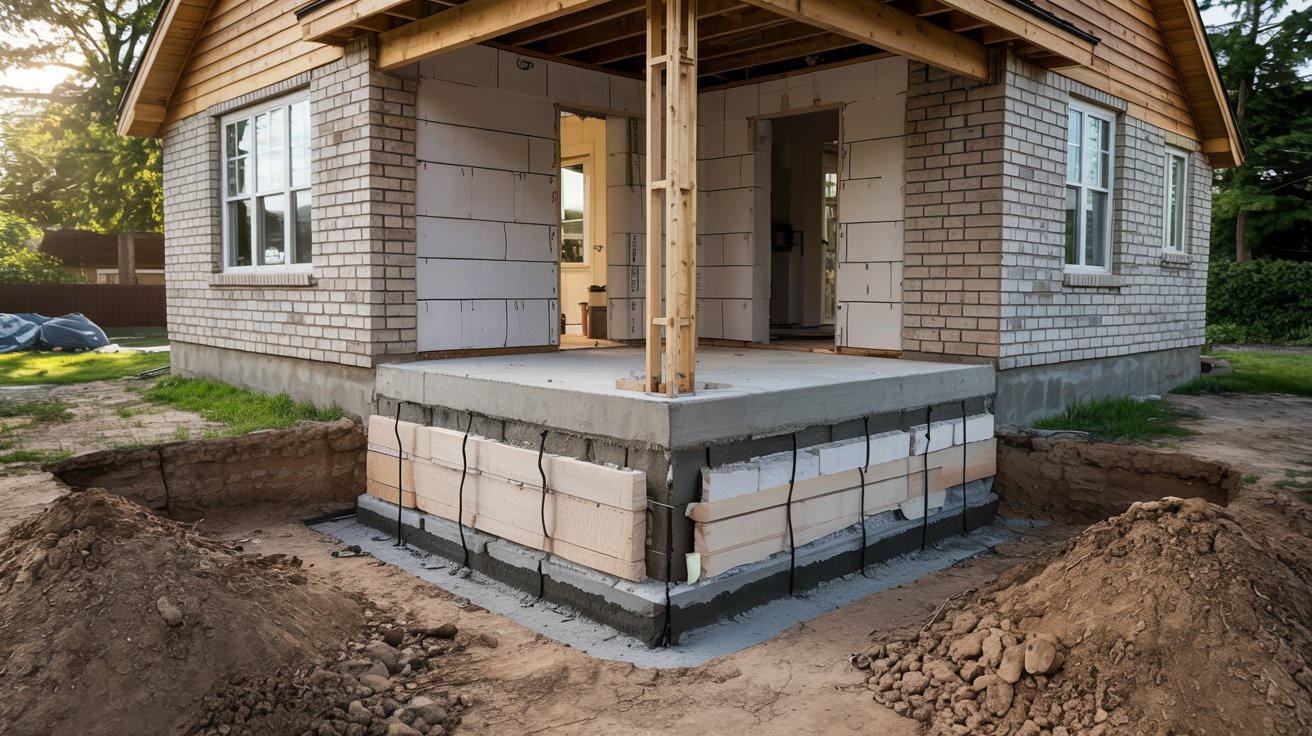
Foundation problems develop gradually. Cracks appear in the walls. Doors stick. Floors become uneven. These signs indicate your foundation needs attention.
Common foundation issues include:
- Settlement cracks
- Bowing or leaning walls
- Sinking foundation sections
- Water damage and erosion
Repair methods vary based on the problem:
- Piering systems stabilize sinking foundations using steel or concrete piers driven deep into stable soil.
- Slabjacking raises sunken concrete slabs by pumping material underneath.
- Wall anchors straighten bowing basement walls using steel plates and rods.
- Crack injection seals minor foundation cracks with specialized materials.
Most foundation repairs take 1-3 days for minor issues. Major structural work can extend to several weeks.
The scope depends on damage severity and your home’s size.
Can You Live in the House During Foundation Repair?
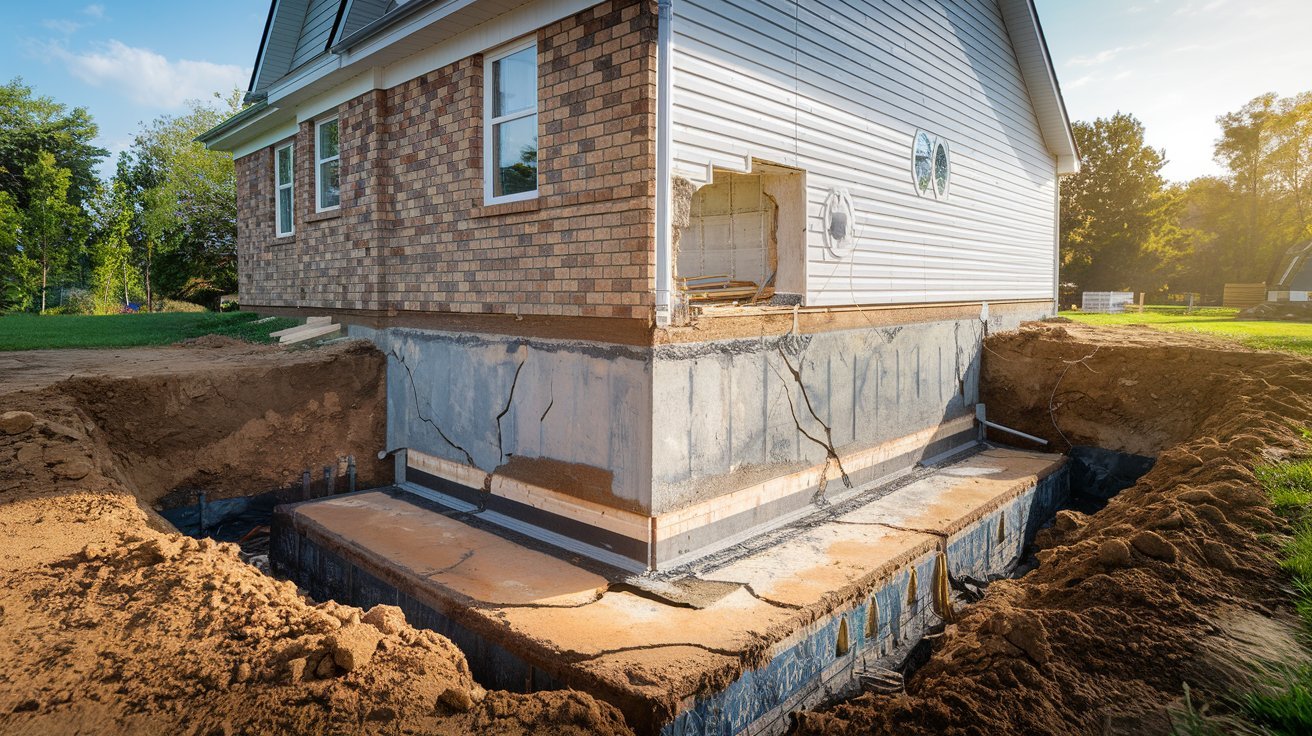
In short,yes, in many cases, but not always.
Your ability to stay home depends on several key factors:
- Severity of the Repair: Minor crack sealing rarely disrupts daily life. Major underpinning projects create significant disturbance.
- Type of Repair Method: External pier installation allows normal indoor activities. Interior excavation limits room access.
- Access Needed for Heavy Equipment: Large machinery may require removing landscaping or temporary structures. Some equipment operates near living spaces.
- Location of the Damage: Repairs under bedrooms or kitchens affect daily routines more than work beneath garages or porches.
Your contractor will assess these factors. They’ll recommend whether staying is practical and safe.
Pros of Staying at Home During Repairs
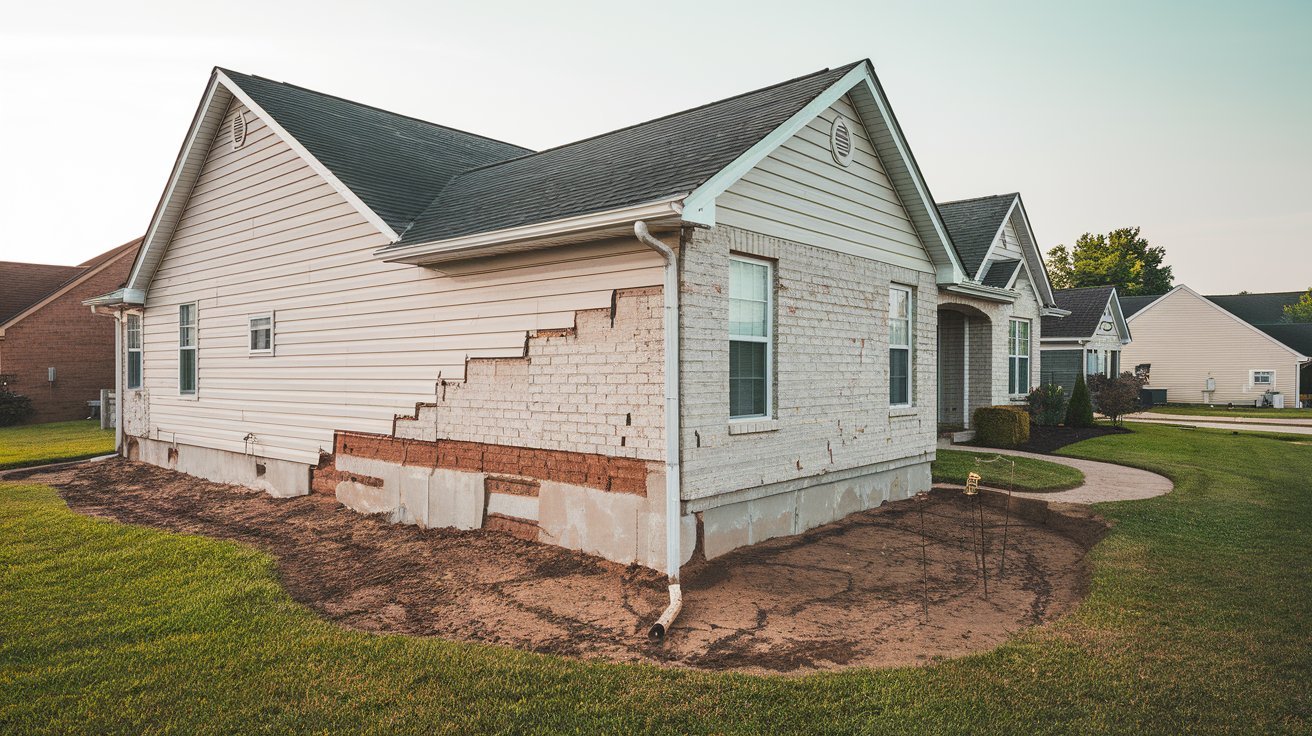
Remaining in your house offers several advantages,
Cost Savings: Hotel bills add up quickly. Extended stays can cost thousands of dollars. Staying home keeps money in your pocket.
Progress Monitoring: You can observe work quality firsthand. Questions get answered immediately. Any concerns receive prompt attention.
Routine Maintenance: Your normal schedule continues. Kids attend their usual schools. Work commutes remain unchanged.
Belonging Security: Valuable items stay under your watch. No packing or moving valuables to storage. Everything remains accessible.
Pet Comfort: Animals experience less stress in familiar surroundings. No boarding fees or disrupted feeding schedules.
Cons and Challenges of Staying Home
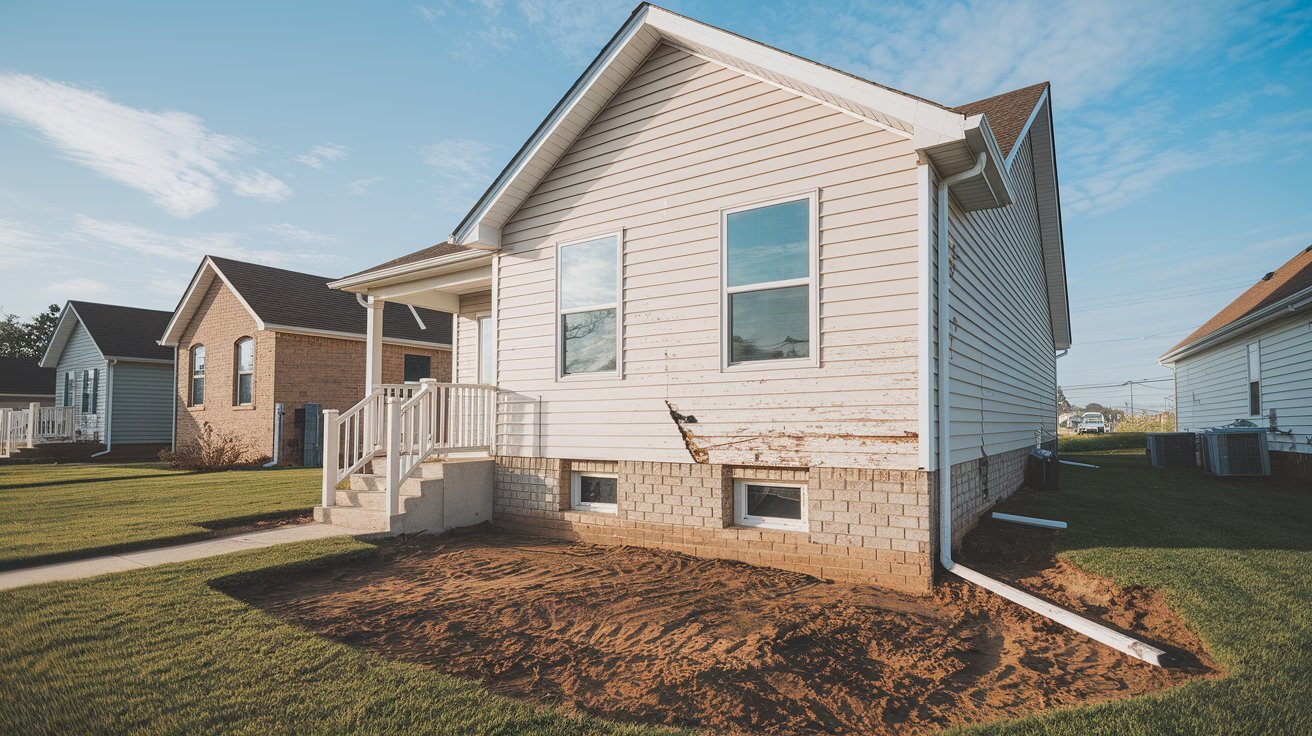
Living through foundation repair creates real challenges,
Noise Disruption: Jackhammers start early. Heavy machinery runs throughout the day. Sleep schedules suffer.
Dust and Debris: Construction creates a mess despite protective measures. Cleaning becomes a daily necessity.
Vibration Effects: Heavy equipment shakes the entire house. Items fall from the walls. Dishes rattle in cabinets.
Safety Hazards: Open excavations pose risks. Exposed utilities create dangers. Heavy materials block pathways.
Limited Access: Certain rooms become off-limits. Utilities may shut off temporarily. Parking spaces disappear.
Stress Accumulation: Constant construction noise affects mental well-being. Disrupted routines create anxiety. Decision fatigue sets in.
Safety Precautions If You Choose to Stay

Clear Work Areas Completely: Remove furniture, decorations, and personal items from repair zones. Store them in unaffected areas.
Establish Restricted Zones: Work with contractors to identify dangerous areas. Use caution tape or barriers. Keep family members away.
Protect Children and Pets: Create safe spaces away from construction. Consider temporary care arrangements during peak work hours.
Prepare for Utility Interruptions: Stock up on water if plumbing will be affected. Have flashlights ready for electrical shutoffs. Plan alternative cooking methods.
Communication Protocols: Exchange contact information with crew leaders. Establish daily check-in times. Clarify emergency procedures.
Personal Protective Equipment: Keep dust masks available. Wear closed-toe shoes in construction areas. Use ear protection when needed.
When You Should Consider Moving Out Temporarily
Major structural repairs are under the main living areas. When crews must excavate beneath bedrooms, kitchens, or family rooms, staying becomes impractical. The disruption exceeds reasonable limits.
Use of heavy machinery indoors. Interior excavation equipment creates extreme noise and dust. Air quality becomes unhealthy. Normal activities become impossible.
An extended timeline exceeding several weeks. Long-term projects wear down families. Stress accumulates over time. Quality of life suffers significantly.
Presence of hazardous materials. Mold remediation requires professional cleaning. Lead paint disturbance needs specialized handling. Asbestos removal demands complete evacuation.
Tips for a Smoother Experience
- Ask for a detailed work schedule from your contractor
- Set up a “safe zone” in the home with minimal disruption
- Use noise-canceling headphones or white noise machines
- Communicate frequently with the foundation team
- Plan activities outside the home during peak construction hours
- Stock up on cleaning supplies for daily maintenance
- Keep important documents and valuables in secure, accessible locations
Conclusion
Many homeowners can successfully live at home during foundation repair. The key is understanding your specific situation and preparing accordingly.
Consider the repair scope, your family’s needs, and safety requirements. Open communication with your contractor helps you make the right choice.
Some families thrive during the process with proper planning. Others find that temporary relocation reduces stress and improves outcomes.
Neither choice is wrong. Focus on what works best for your family’s safety, comfort, and peace of mind.
Remember that foundation repair is temporary. The inconvenience will pass, but a stable foundation lasts for decades. Whether you stay or go, you’re making a smart investment in your home’s future.
Trust your instincts. If staying feels unsafe or too stressful, consider other options. Your family’s well-being comes first.
Frequently Asked Questions
How long does a typical foundation repair take?
Most foundation repairs are completed within 1-3 days for minor issues. Major structural work can take 1-3 weeks, depending on the scope and weather conditions.
Will foundation repair damage my landscaping?
Some damage is inevitable when equipment accesses your foundation. Reputable contractors minimize impact and often include basic restoration in their contracts.
Can I use my basement during foundation repair?
Basement access depends on the repair location and method. External repairs may allow normal basement use, while interior work typically restricts access temporarily.
What utilities might be affected during foundation repair?
Water, electricity, and gas lines near the foundation may require a temporary shutdown. Your contractor will notify you in advance and minimize disruption time.
How much does it cost to stay in a hotel during foundation repair?
Hotel costs vary by location and duration. Extended stays typically range from $100-300 per night, making staying home financially attractive when safely possible.
