

Ever wonder how those tall office buildings get built? Or how shopping malls come to life? You’re about to get clear answers. This guide covers everything you need to know about commercial construction.
I’ll walk you through the types of projects, the step-by-step process, and who does what. You’ll understand the regulations, challenges, and future trends. I know the problems you face when trying to understand commercial construction.
Maybe you’re planning a business project. Perhaps you’re curious about career opportunities. Either way, I’ll solve your confusion with straight facts.
Commercial construction builds structures for business use. Unlike homes, these buildings serve companies, customers, and communities.
This covers everything from small retail stores to massive warehouses. These projects cost more, take longer, and follow stricter rules than home builds.
What Makes Commercial Construction Different?
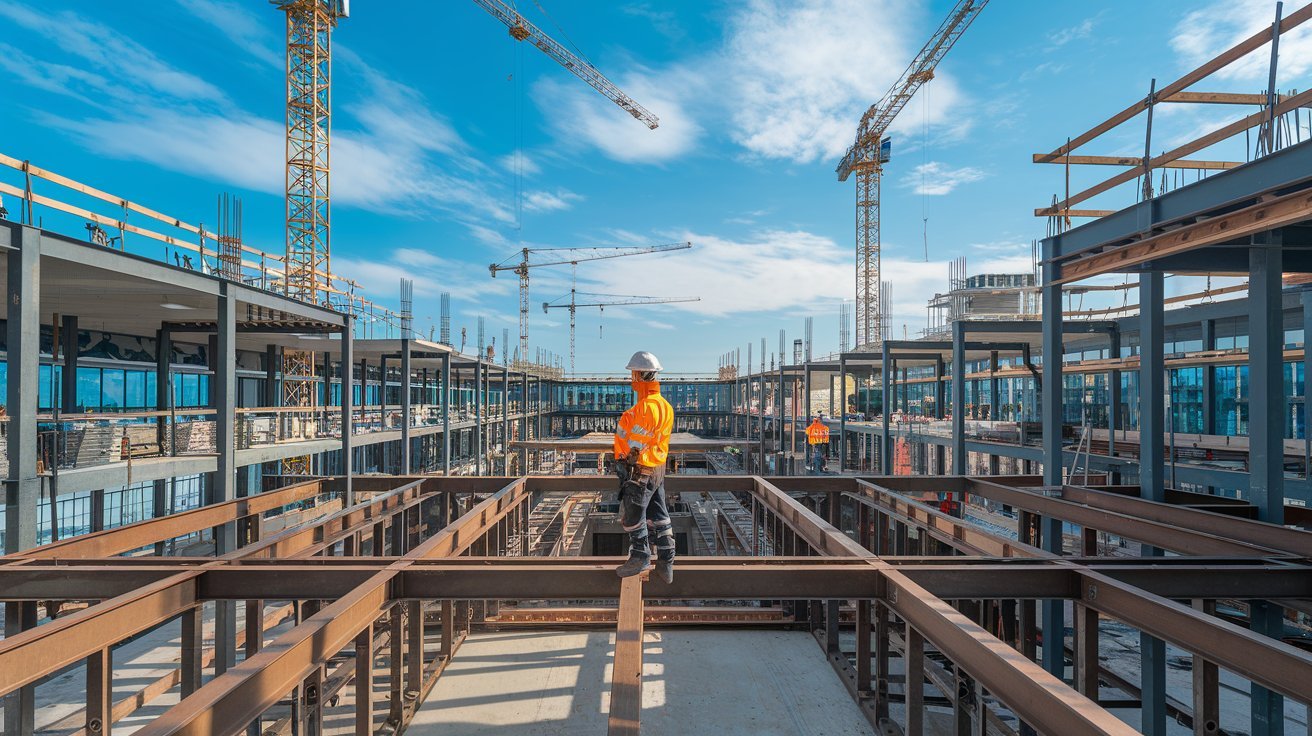
Size matters here. Commercial projects typically cost millions. They take months or years to finish.
The buildings serve specific business needs:
- Offices for companies
- Stores for shopping
- Warehouses for storage
- Restaurants for dining
Each type has different requirements. A hospital needs different systems than a grocery store.
Key Types of Commercial Construction Projects
You’ll find commercial construction everywhere you go. Here are the main types:
Office Buildings
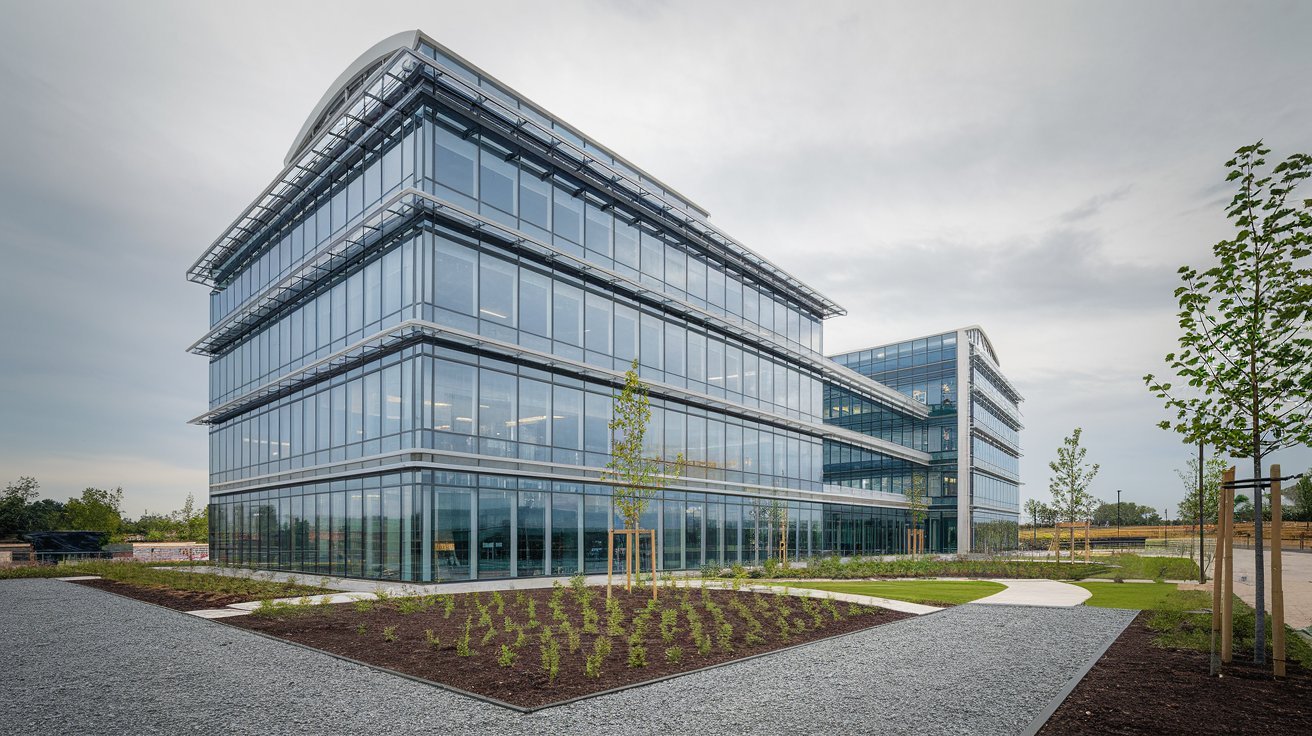
These house businesses and their employees. They range from small professional buildings to skyscrapers.
Features include multiple floors, elevator systems, HVAC for climate control, and high-speed internet infrastructure.
Retail Spaces
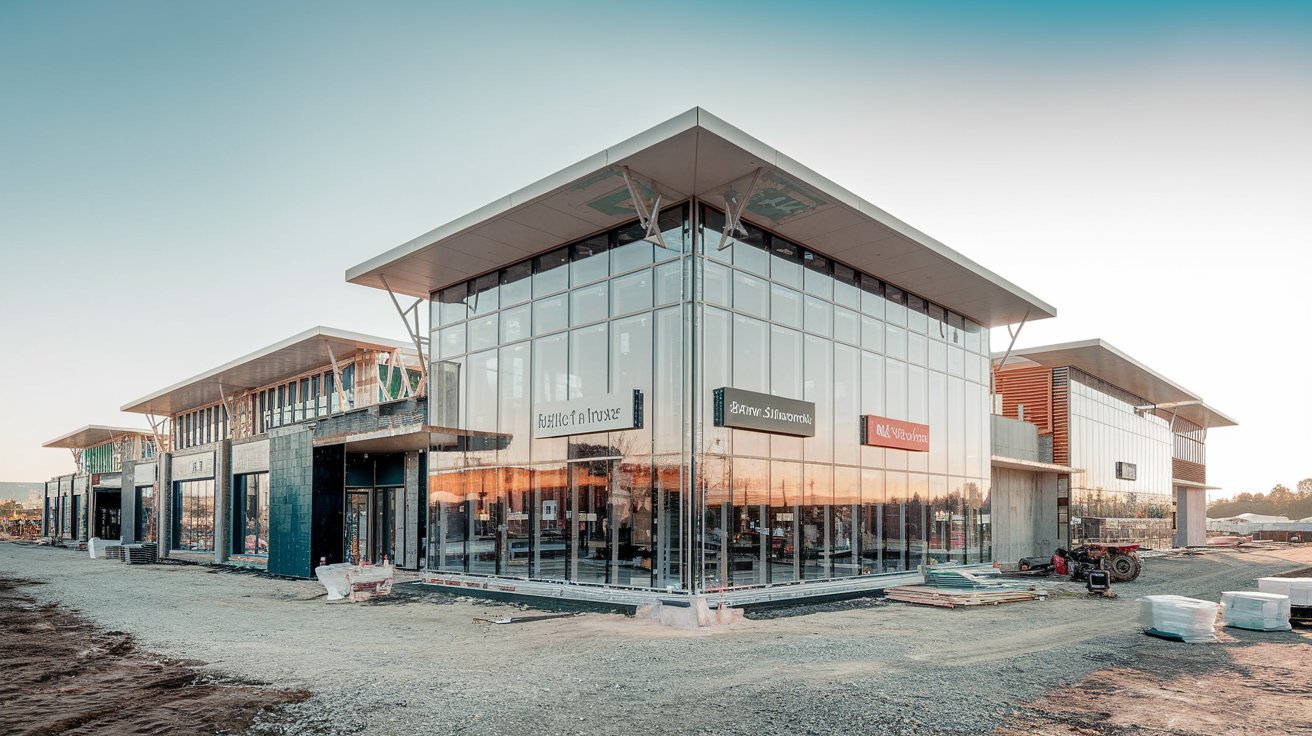
Stores, malls, and shopping centers fall into this category. They’re designed for customer traffic and sales.
Think about it. Every store you visit was a commercial construction project.
Industrial Buildings
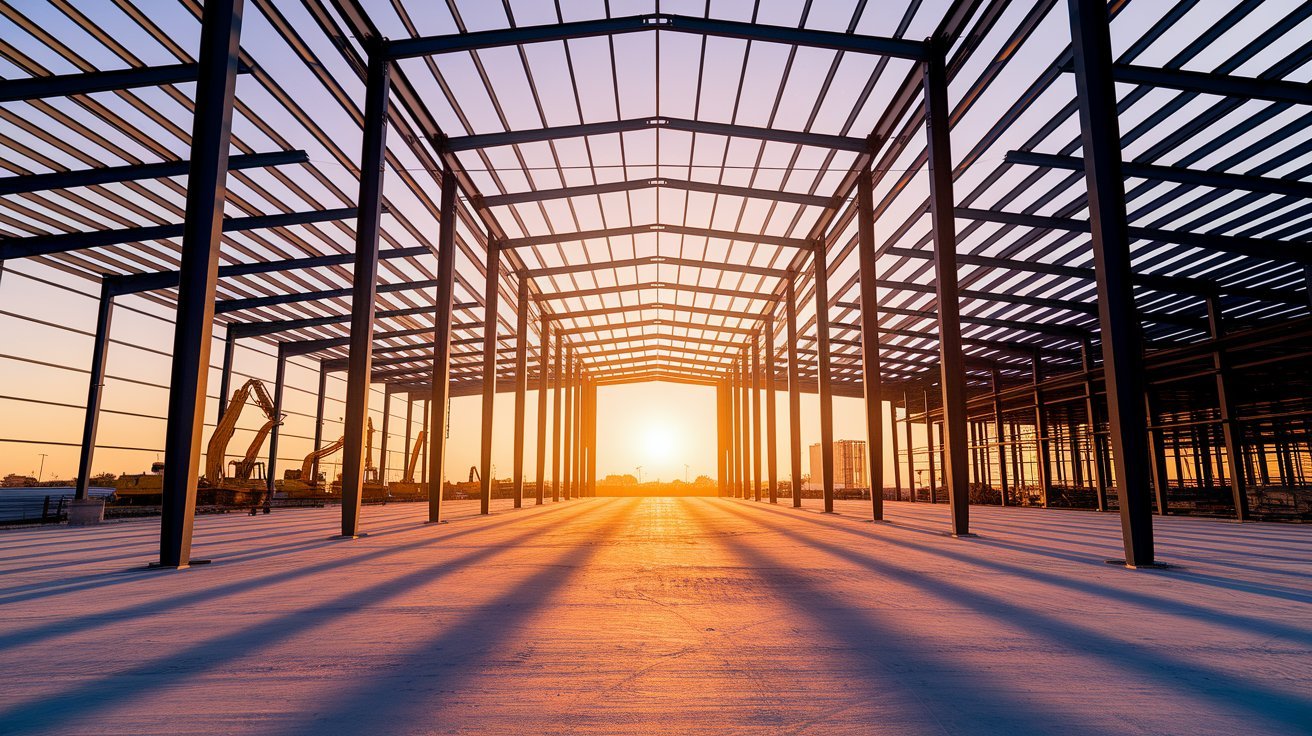
Factories, warehouses, and manufacturing plants. These focus on function over form.
Key elements include large open spaces, heavy-duty flooring, loading docks, and specialized equipment areas.
Hospitality Projects
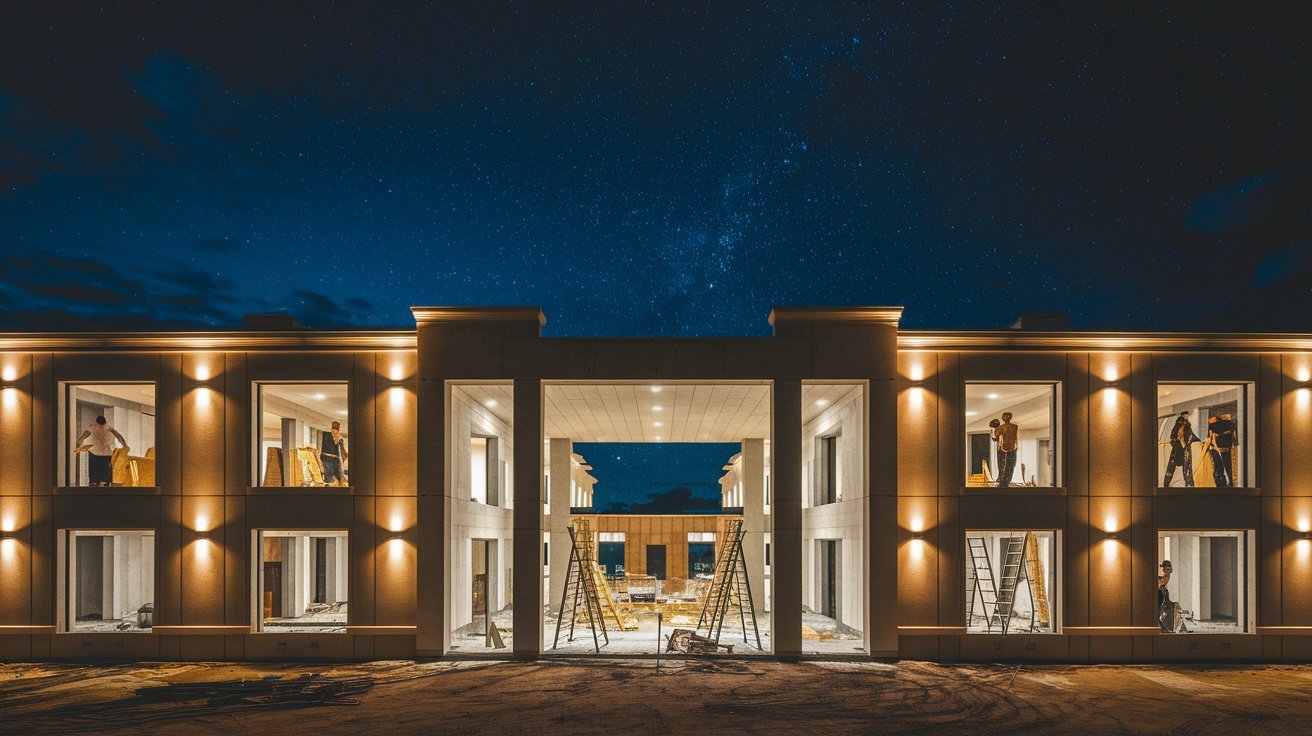
Hotels, restaurants, and entertainment venues. These balances function with customer experience.
Healthcare Facilities
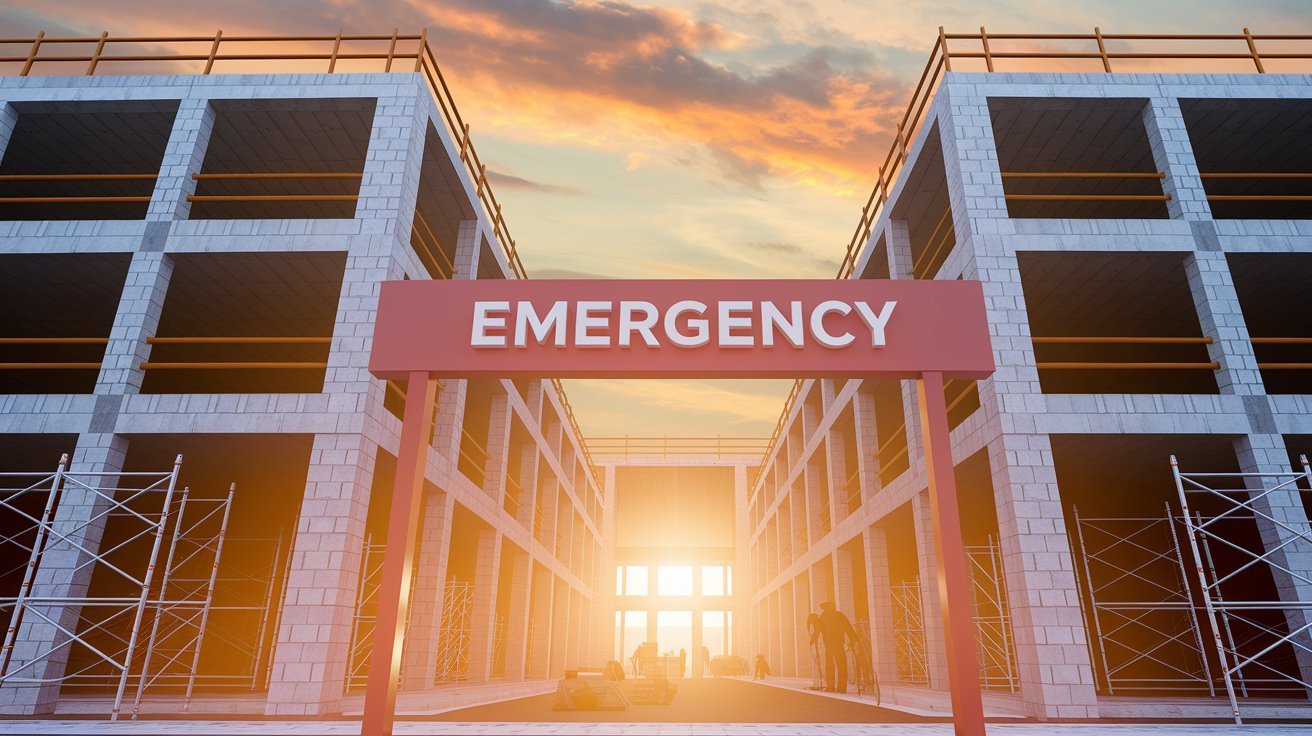
Hospitals, clinics, and medical centers. They have the strictest building codes.
Why? Patient safety depends on it.
Educational Buildings
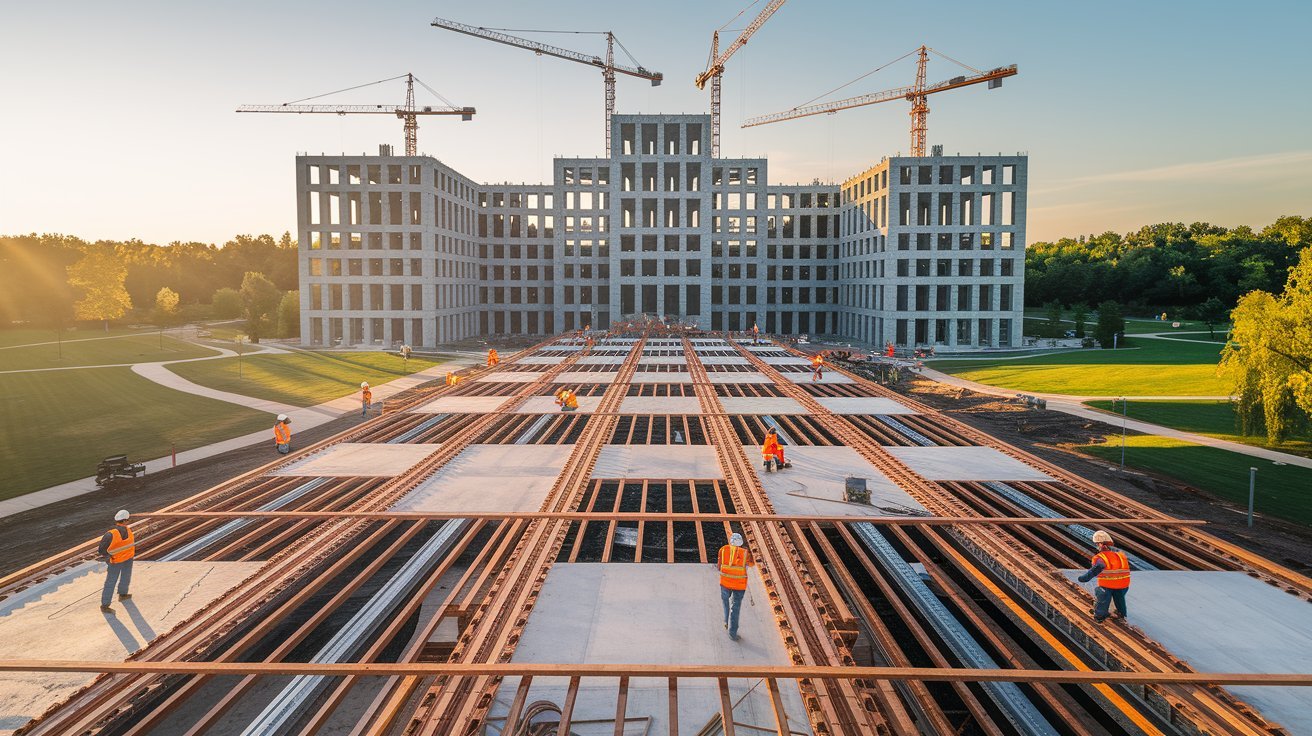
Schools, colleges, and training centers. They serve students and staff daily.
The Step-by-Step Commercial Construction Process
Commercial construction follows a clear path. I’ll walk you through each stage.
1. Planning and Design
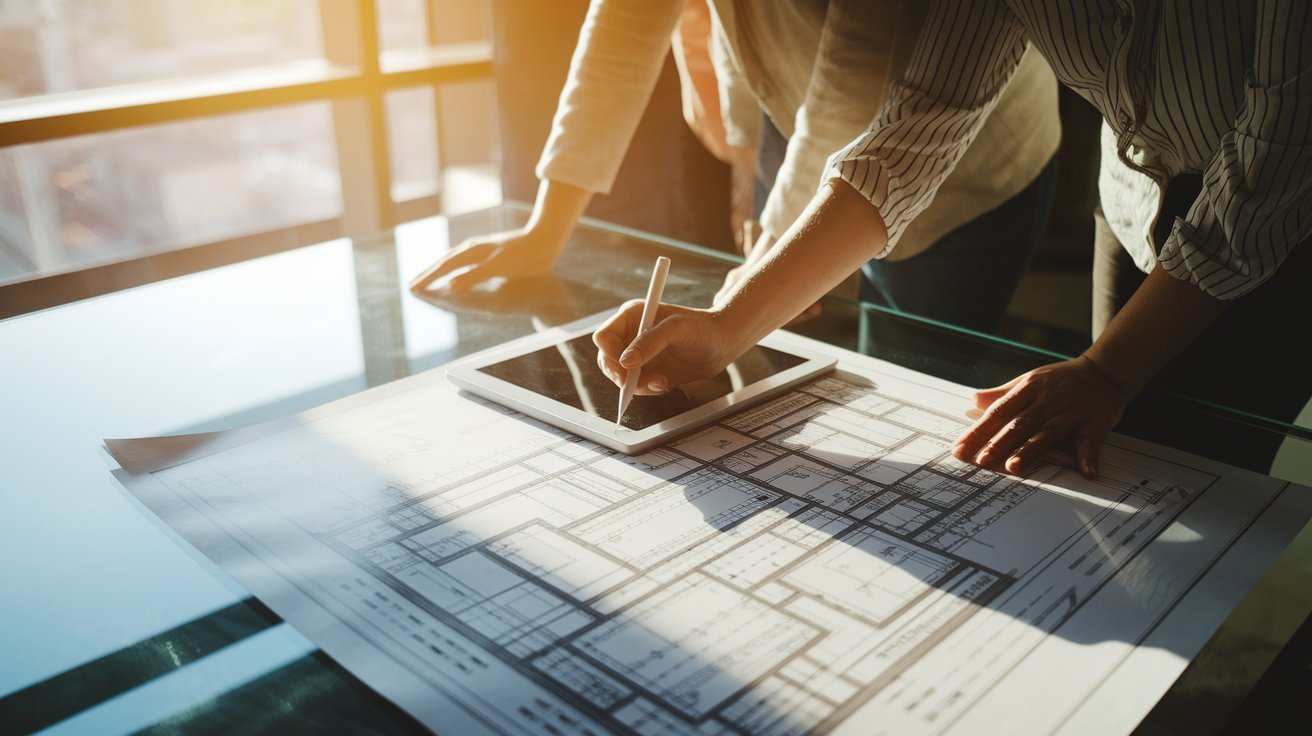
Everything starts with an idea. The owner defines their needs.
Key steps include site selection, budget planning, designer selection, and initial design concepts.
This phase can take 3-6 months. Good planning prevents costly mistakes later.
2. Permits and Approvals
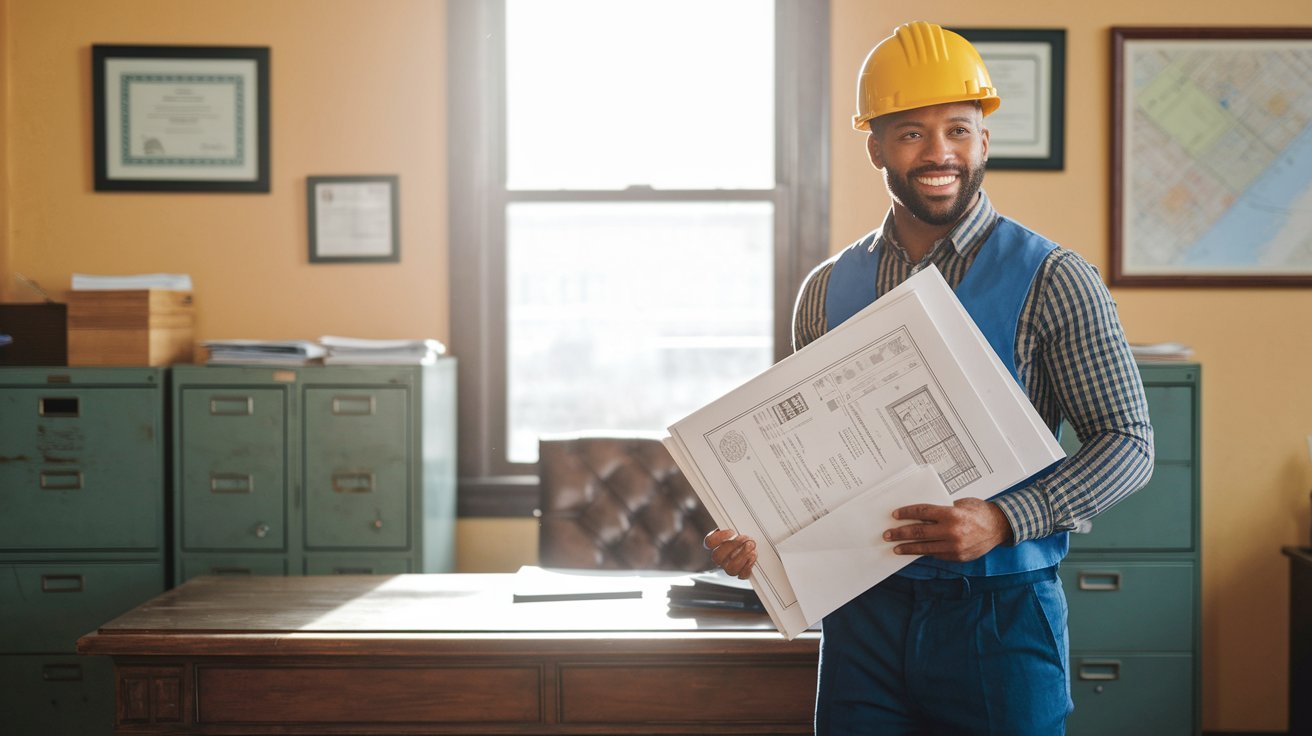
You can’t just start building. Local authorities must approve your plans.
Required permits include building permits, zoning approvals, environmental clearances, and safety inspections.
3. Pre-Construction
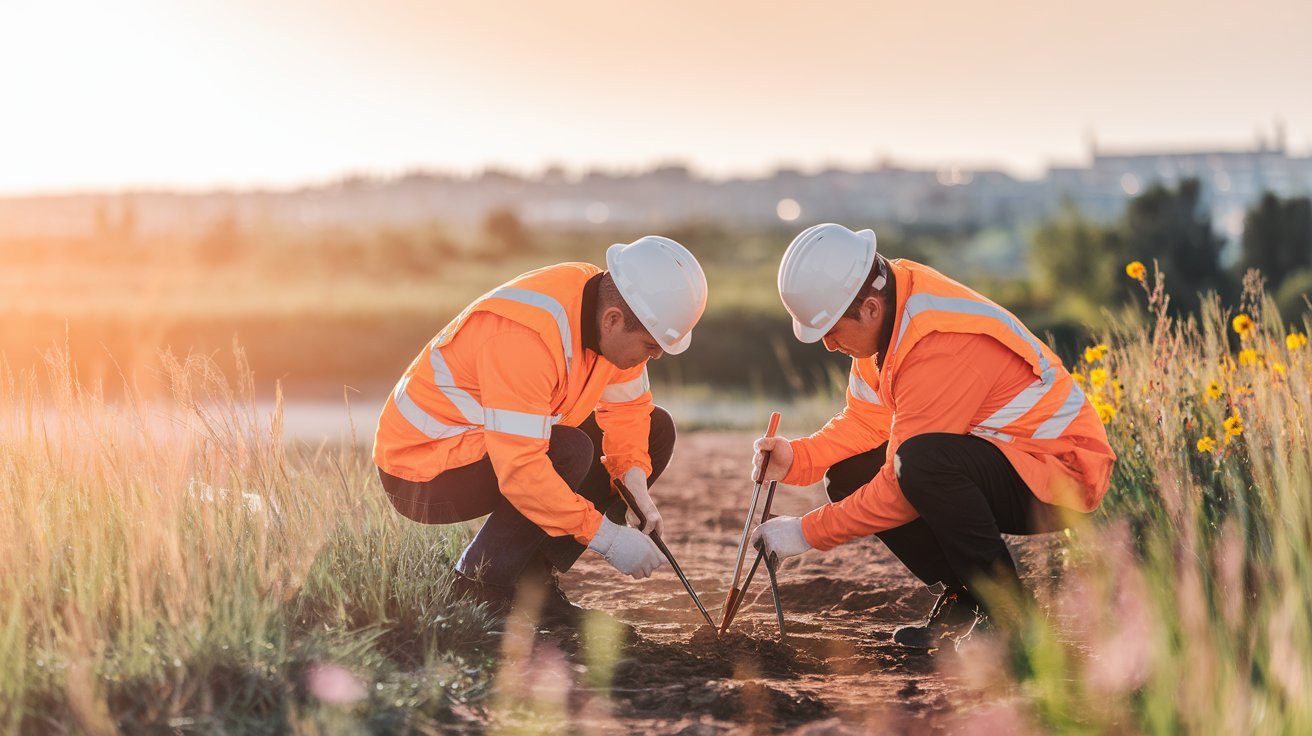
The groundwork happens here. Literally.
Activities include site surveys, soil testing, utility marking, and safety planning.
4. Foundation Work
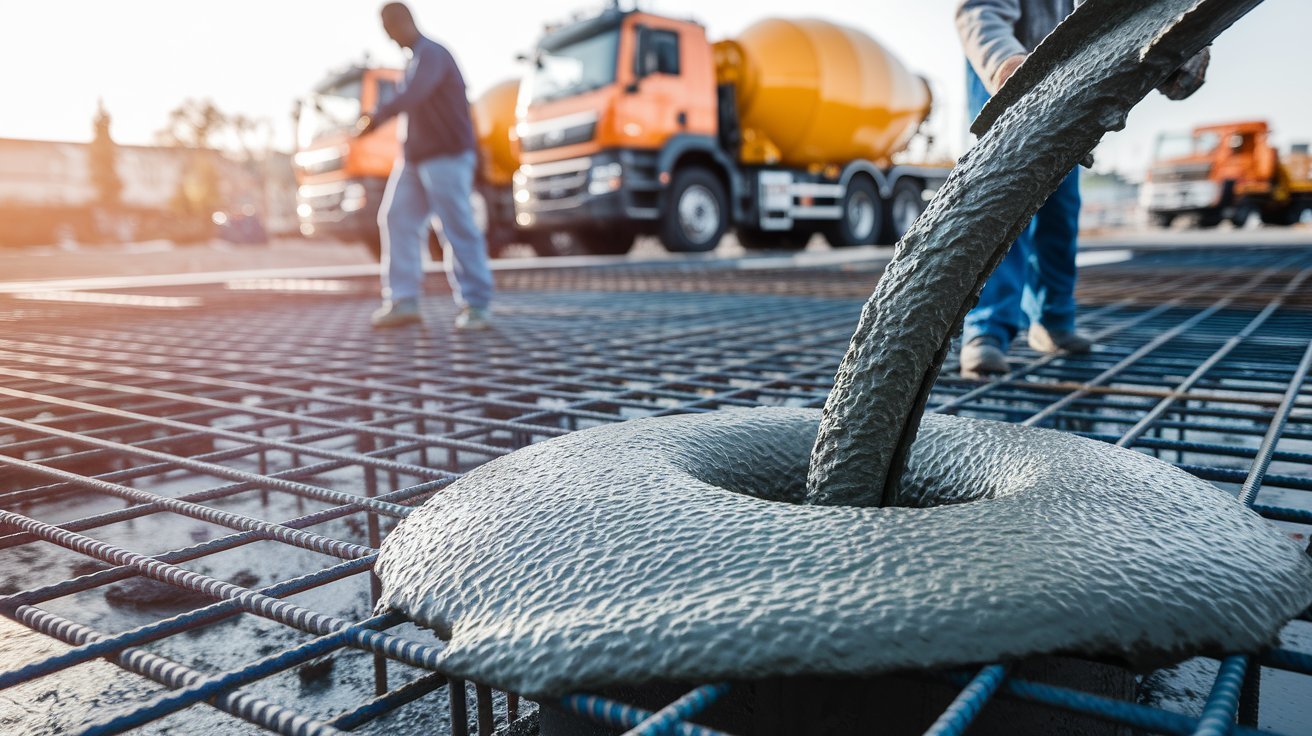
The building’s base gets poured. This step is critical.
A weak foundation ruins everything above it.
5. Structural Construction
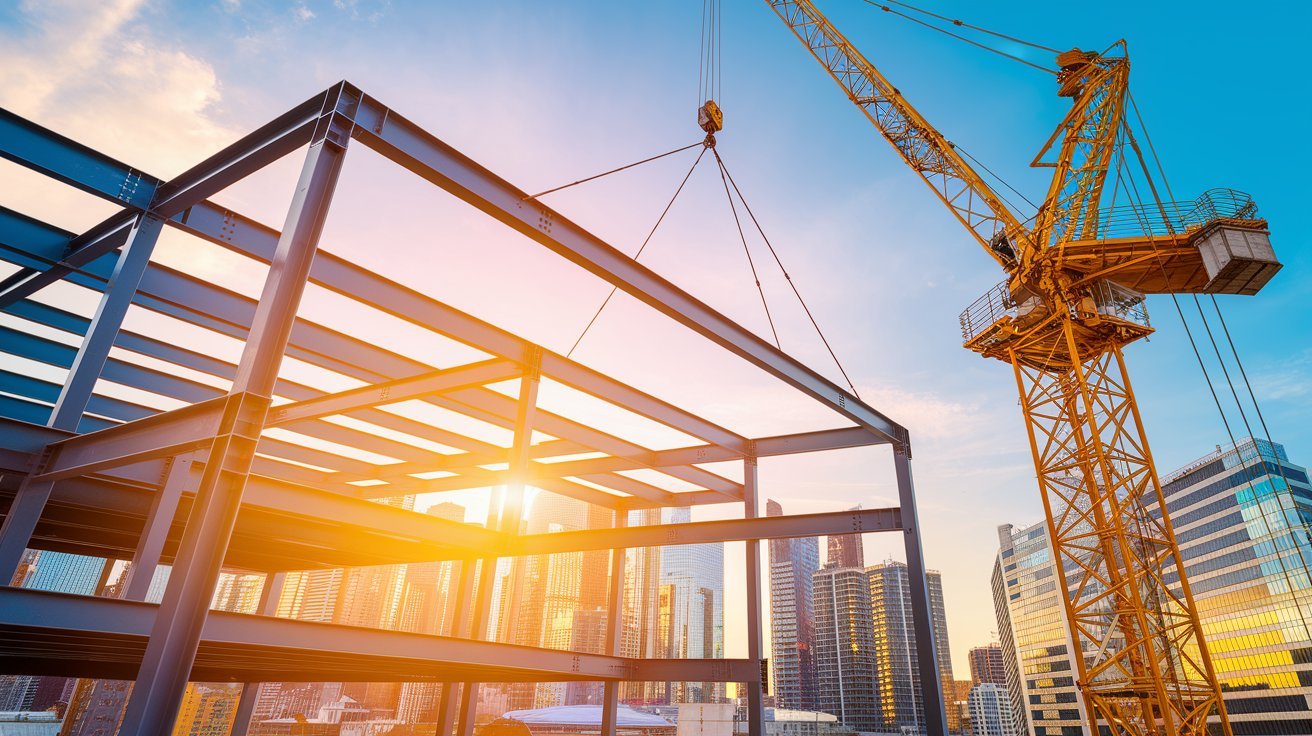
The building’s skeleton takes shape. Steel beams, concrete walls, and floors go up.
This is when you see real progress.
6. Systems Installation
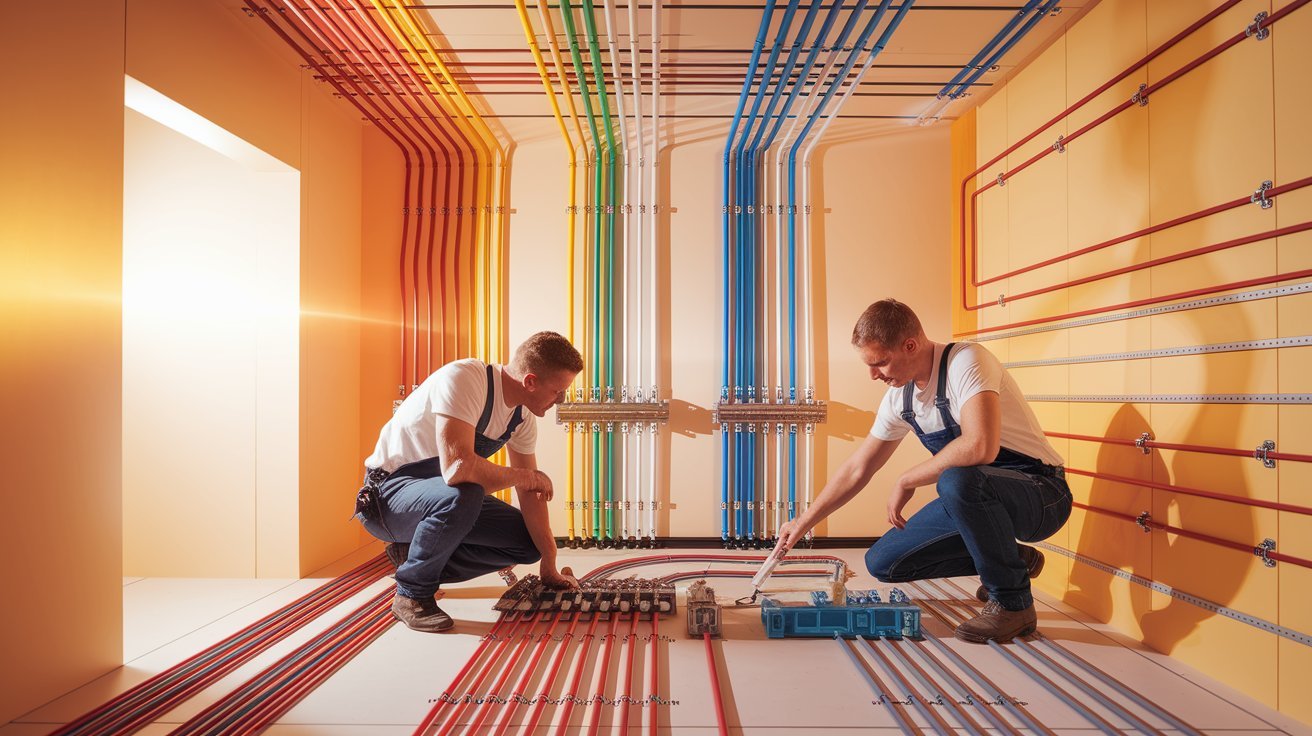
Electrical, plumbing, and HVAC systems get installed. These are the building’s nervous system.
7. Interior Finishing
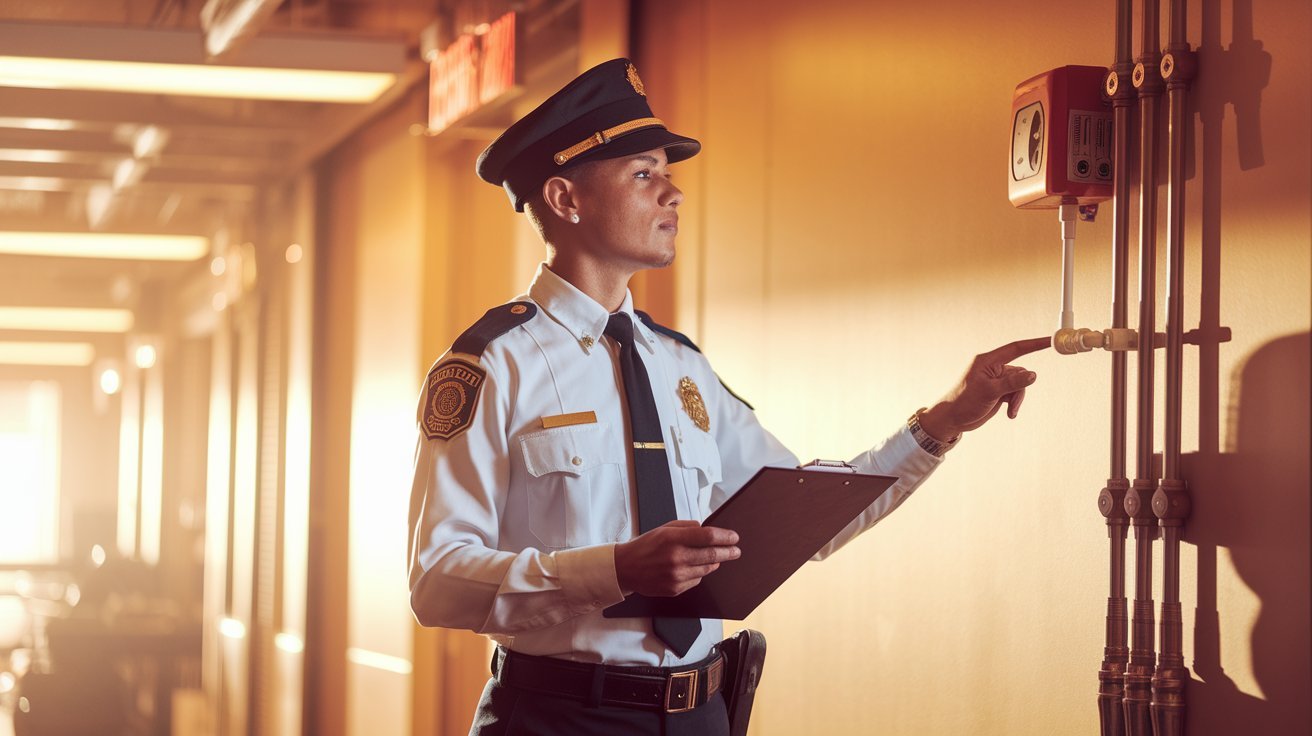
Walls, flooring, and fixtures get added. The space becomes usable.
8. Final Inspections
Authorities check everything meets code. No shortcuts allowed.
9. Project Handover
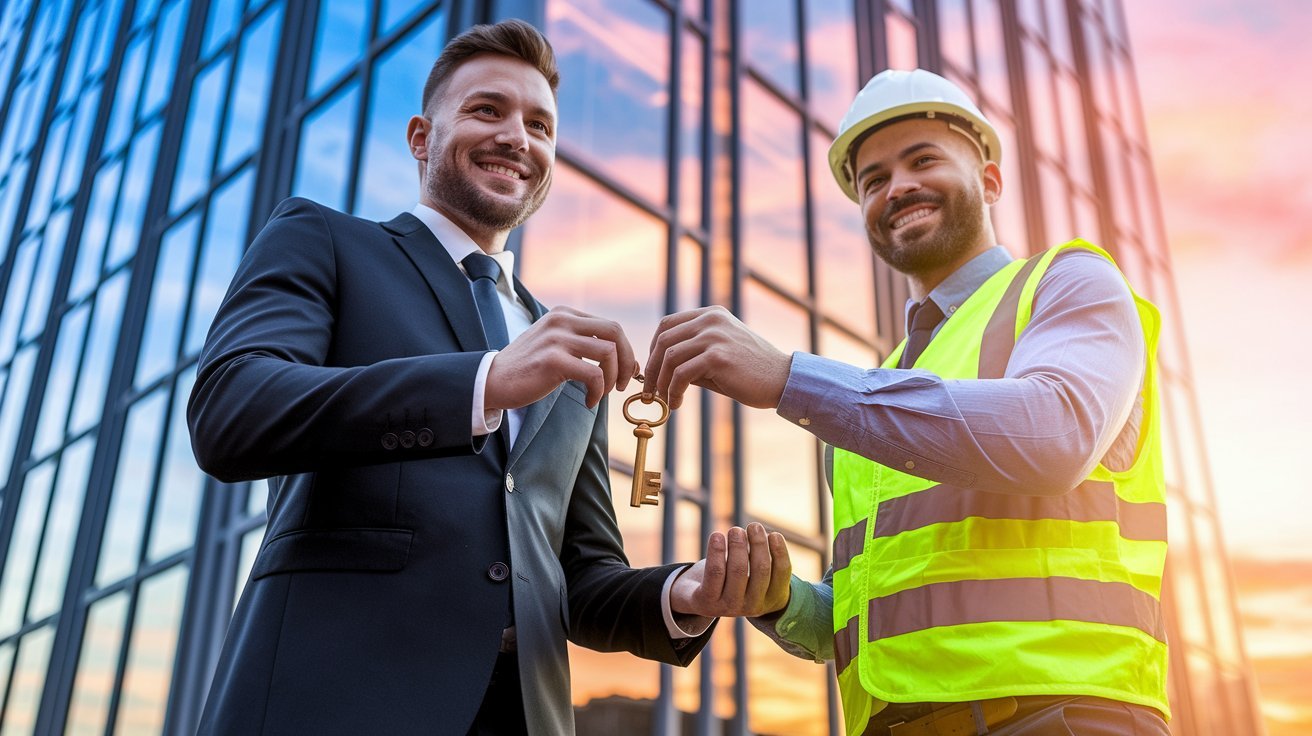
Keys get passed to the owner. The building opens for business.
Who’s Involved? Roles in Commercial Construction
Commercial construction needs many skilled people. Each plays a vital role.
The Owner/Developer
They fund the project and make final decisions. Without them, nothing happens.
Design Professionals
They design the building. Form meets function in their plans.
General Contractor
They manage the entire build. Think of them as the project’s conductor.
They hire subcontractors and manage timelines. They ensure quality and handle permits.
Subcontractors
These are specialists in specific trades. Electricians handle wiring. Plumbers install water systems. Roofers work on the top. HVAC technicians manage heating and cooling.
Project Managers
They keep everything on track. Time is money in construction.
Engineers
Structural engineers design the frame. Electrical engineers plan the power systems. Mechanical engineers handle the equipment. They all ensure safety and function.
Inspectors
Government officials verify code compliance. They check everything meets safety standards.
Key Regulations & Standards in Commercial Construction
Commercial buildings must follow strict rules. Lives depend on it.
Building Codes
Local codes set minimum standards for:
- Structural integrity
- Fire safety
- Accessibility
- Energy efficiency
Fire Safety Requirements
Commercial buildings need multiple safety features:
- Fire exits
- Sprinkler systems
- Fire-rated materials
- Emergency lighting
ADA Compliance
All commercial buildings must be accessible to people with disabilities.
This includes:
- Wheelchair ramps
- Accessible bathrooms
- Proper door widths
- Elevator access
Environmental Standards
Green building codes reduce environmental impact:
- Energy-efficient systems
- Sustainable materials
- Water conservation
- Waste reduction
OSHA Safety Standards
Worker safety rules apply throughout construction. Accidents cost time and lives.
Common Challenges in Commercial Construction
I’ve seen many projects face similar problems. Here are the biggest challenges:
Weather delays stop work completely. Rain, snow, and extreme temperatures force crews to wait. You can’t control Mother Nature.
Material shortages can halt progress for weeks. Supply chain issues became obvious during COVID-19. Steel, lumber, and concrete don’t always arrive on time.
Skilled workers are hard to find these days. This drives up costs and extends timelines. Good electricians and plumbers are in high demand.
Cost overruns happen on most projects. Prices change during long builds. Steel costs more today than last year. Fuel prices affect transportation costs.
Permit delays frustrate everyone involved. Government approvals take time. Sometimes much longer than expected. One missing form can stop everything.
Site conditions often surprise teams. Hidden problems underground cause expensive changes. Rock formations slow digging. Soil issues require new foundations. Underground utilities appear where they shouldn’t be. Environmental contamination needs special cleanup.
Design changes happen mid-project. Owners sometimes change their minds. Each change costs time and money. Late changes cost the most.
Benefits of Hiring Professional Commercial Contractors
You might wonder why you need professionals. Here’s why DIY doesn’t work for commercial projects:
Experience matters more than anything else. Professional contractors have built similar projects before. They know what works and what doesn’t. They’ve seen problems before they happen.
Code knowledge saves you from expensive mistakes. They understand complex building codes. Local rules change often. Mistakes here cost thousands to fix later.
Established networks speed up your project. They have reliable subcontractors ready to work. They know which suppliers deliver on time. Good relationships mean better prices.
Project management skills prevent chaos. They coordinate multiple teams efficiently. Scheduling twenty different trades takes skill. Organization keeps everyone productive.
Quality assurance protects your investment. Professionals guarantee their work. You get warranties on labor and materials. Peace of mind comes standard.
Risk management protects you from liability. They carry insurance for accidents and mistakes. They handle safety protocols properly. Workers compensation covers their crews.
Cost control often saves money overall. Experienced contractors avoid expensive mistakes. They buy materials at better prices. Efficient work reduces labor costs. Good planning prevents waste.
Future Trends in Commercial Construction
The industry keeps evolving. Here’s what’s coming:
Sustainable Building
Green construction is becoming standard:
- Solar panels
- Energy-efficient windows
- LED lighting systems
- Smart HVAC controls
Technology Integration
Buildings are getting smarter:
- Automated lighting
- Security systems
- Climate control
- Maintenance alerts
Modular Construction
Prefab components speed up builds. Factory-built sections arrive ready to install.Some building components now get 3D printed. This reduces waste and costs. Sensors track building performance in real-time. Problems get caught early.
Health-Focused Design
Post-pandemic buildings prioritize:
- Air quality
- Touchless systems
- Natural lighting
- Flexible spaces
Conclusion
You now know what commercial construction really means. It’s the backbone of every business building around you.
From office towers to shopping centers, these projects shape our daily lives. The process involves many skilled people working together.
Good planning makes everything possible. Poor planning creates expensive problems.
Professional contractors bring experience you can’t get anywhere else. They know the codes, manage the teams, and deliver results.
The industry keeps changing. Technology and green building methods are becoming standard.
If you’re planning a project or exploring career options, this knowledge gives you power. You understand the process, the people, and the challenges.
Commercial construction builds more than buildings. It builds the spaces where business happens. Now you’re ready to make informed decisions about your next steps in this industry.
Frequently Asked Questions
How long does commercial construction take?
Most commercial projects take 6 months to 2 years to complete. The timeline depends on size, complexity, and weather conditions.
What’s the difference between commercial and residential construction?
Commercial buildings serve businesses and follow stricter codes than homes. They’re larger, more complex, and require specialized contractors.
How much does commercial construction cost per square foot?
Commercial construction typically costs $100 to $400 per square foot. The price varies by building type, location, and material quality.
Do I need special permits for commercial construction?
Yes, commercial projects require multiple permits including building, zoning, and environmental approvals. Your contractor should handle the permit process for you.
Can I act as my own general contractor for commercial projects?
It’s not recommended unless you have extensive construction experience. Commercial projects are complex and mistakes can be very expensive.
