

Concrete slabs develop cracks for various reasons, and I know how frustrating it can be when you spot them on your driveway, patio, or foundation.
Not all cracks are created equal, and understanding what you’re looking at makes all the difference. Some are harmless surface issues, while others signal serious structural problems that need immediate attention.
I’ve spent years working with concrete, and I’m here to help you identify exactly what type of crack you’re dealing with.
In this article, I’ll walk you through the most common crack patterns, explain why they happen, and give you the knowledge to decide whether you can handle the repair yourself or need professional help.
You can trust this information because it comes from real-world experience, not just textbook theory.
Ready to become your own concrete detective? Let’s get started.
What Are Concrete Slabs?
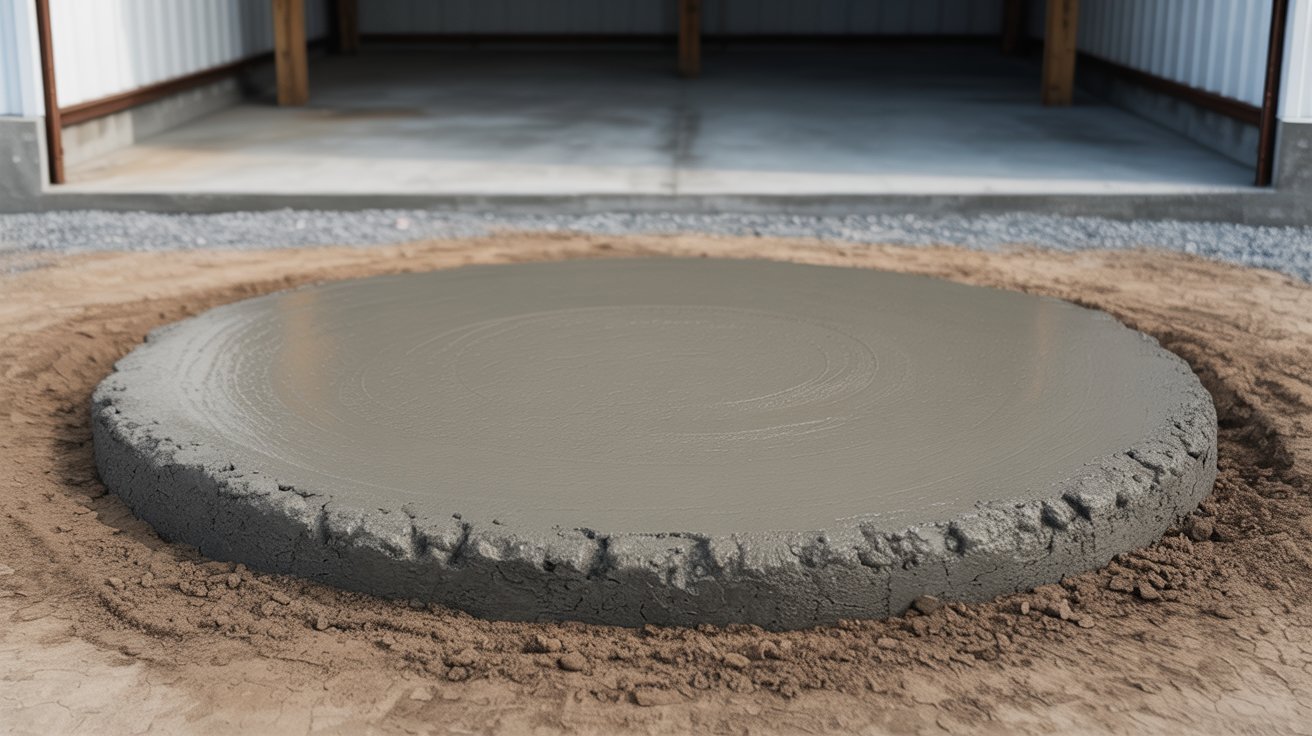
Concrete slabs are flat, horizontal surfaces made from a mixture of cement, water, sand, and gravel that form the foundation for most construction projects.
Let me break this down for you in simple terms.
Think of concrete slabs as the flat foundation that supports almost everything we build. Your garage floor? That’s a concrete slab. The basement floor in your home? Another concrete slab.
I like to explain it this way. Take cement powder, mix it with water, sand, and small rocks called aggregate. Pour this mixture into a flat area. Let it dry and harden. Boom! you’ve got a concrete slab.
These slabs typically range from 4 to 6 inches thick for residential use. Commercial buildings often need thicker ones.
Here’s what makes them so popular:
- Durability – they last decades when properly installed
- Cost-effective – relatively cheap compared to other materials
- Versatility – work for floors, driveways, patios, and foundations
- Low maintenance – minimal upkeep required
But here’s the thing. Even the strongest concrete will crack over time. That’s just the nature of the material.
And that’s exactly why you need to understand what those cracks mean.
13 Types Of Cracks In Concrete Slabs Explained
Here’s your complete guide to identifying every type of crack you might find in your concrete slab, from harmless hairline cracks to serious structural damage.
1. Plastic Shrinkage Cracks In Concrete Slabs

These show up when the surface water disappears too fast after pouring.
I see these all the time on hot, windy days. The concrete is still wet underneath, but the top dries out quickly. This creates tension that causes cracking.
When do they appear? Usually within the first few hours of pouring.
What they look like: Random, short cracks across the surface. Think of dried mud patterns.
2. Settlement Cracks In Concrete Slabs
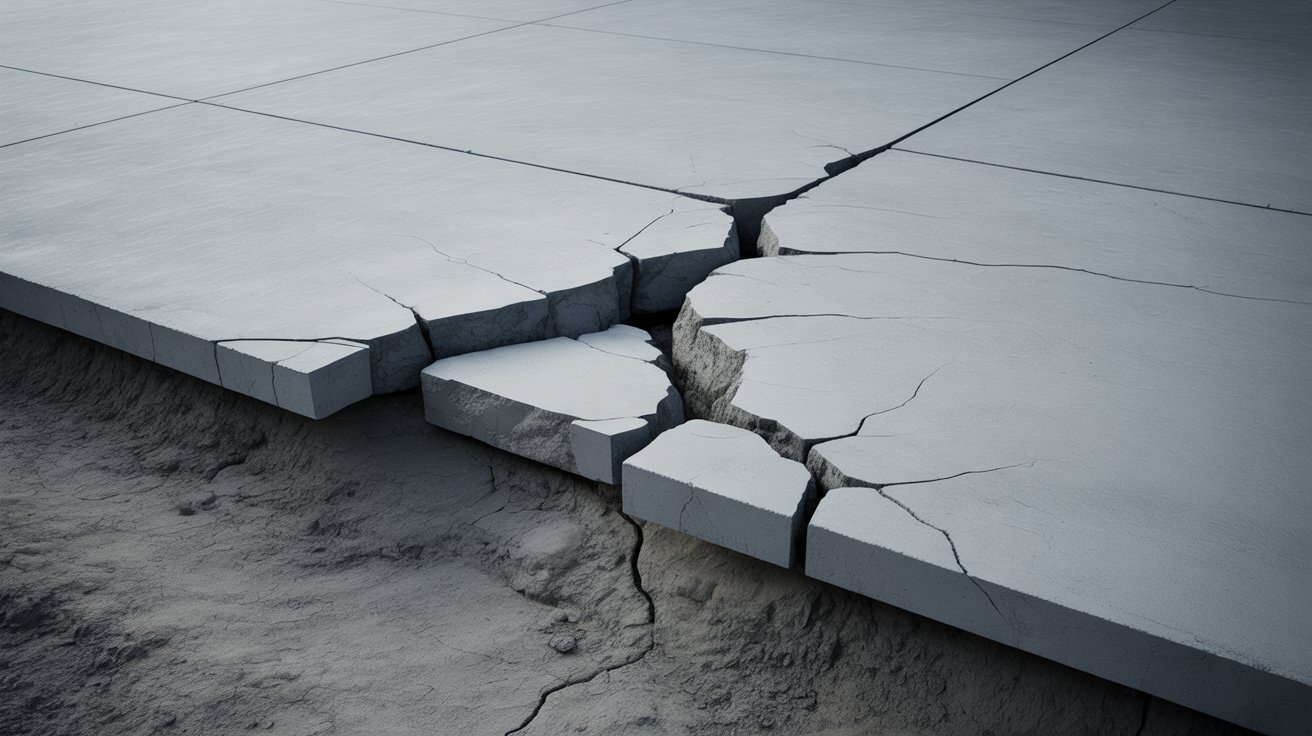
Your soil underneath is moving downward, and your slab goes with it.
This happens when the ground wasn’t properly compacted before pouring. The soil settles over time, leaving your concrete unsupported.
Warning signs: Cracks often run straight across the slab. You might notice the slab sinking in certain areas.
3. Structural Cracks In Concrete Slabs
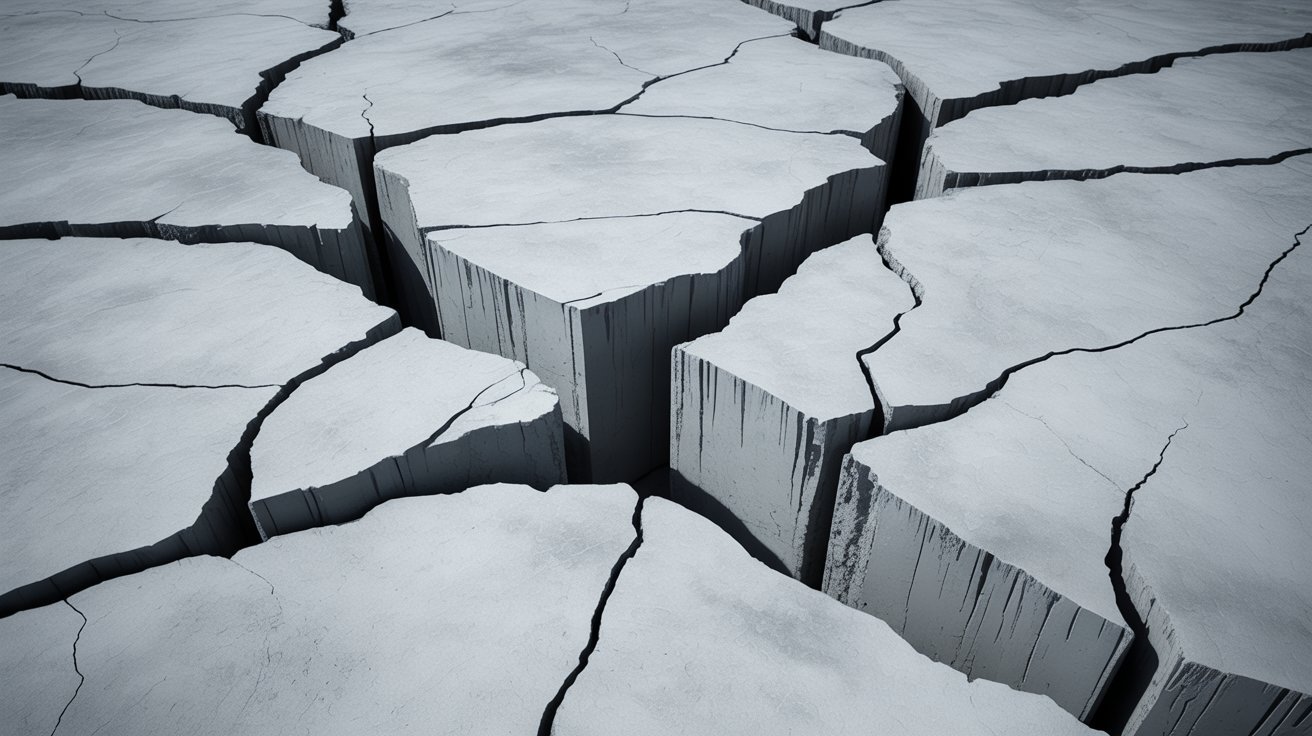
These are the serious ones that keep me up at night.
Heavy loads or poor reinforcement design cause these cracks. They threaten the entire stability of your structure.
Red flags: Wide cracks that keep growing. Cracks that go all the way through the slab thickness.
Call a professional immediately if you suspect structural cracks.
4. Expansion Cracks In Concrete Slabs
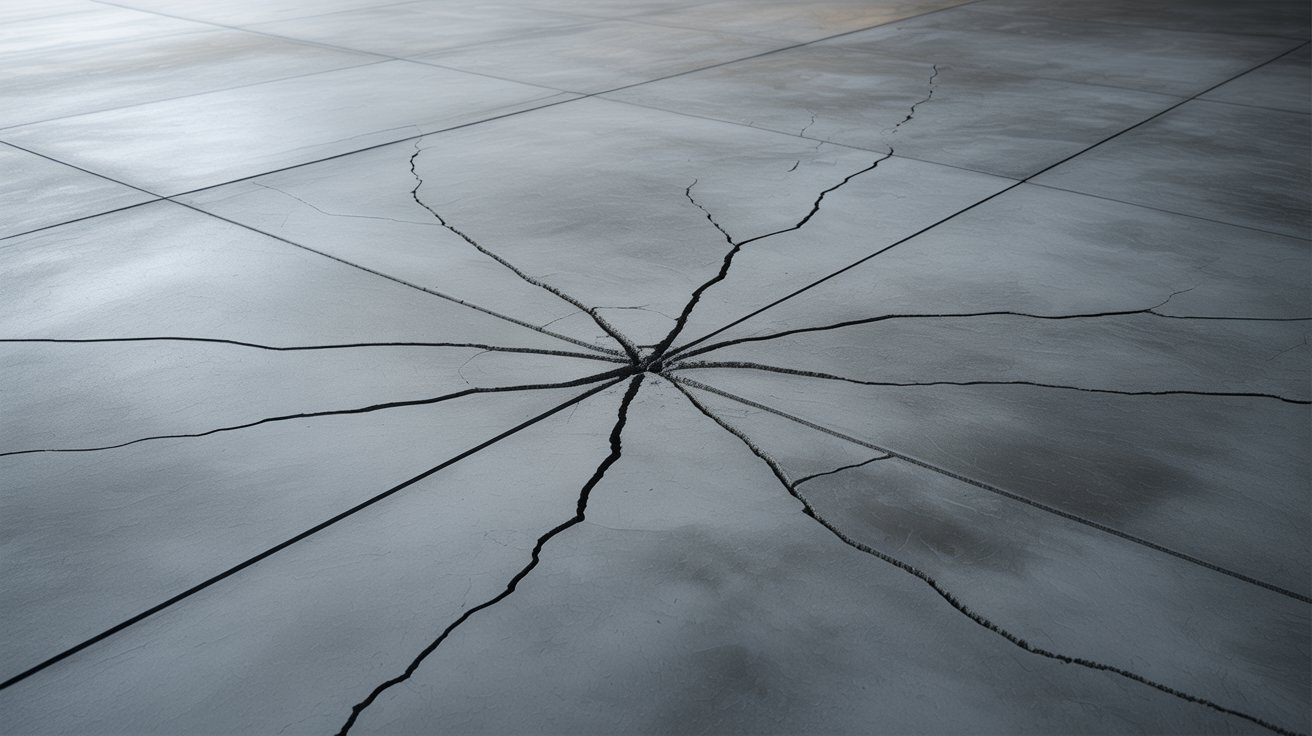
Heat makes concrete grow. No expansion joints? You get cracks instead.
Thermal expansion pushes concrete sections against each other. Something has to give.
Prevention tip: Proper expansion joints every 10-12 feet prevent most of these issues.
5. Heaving Cracks In Concrete Slabs
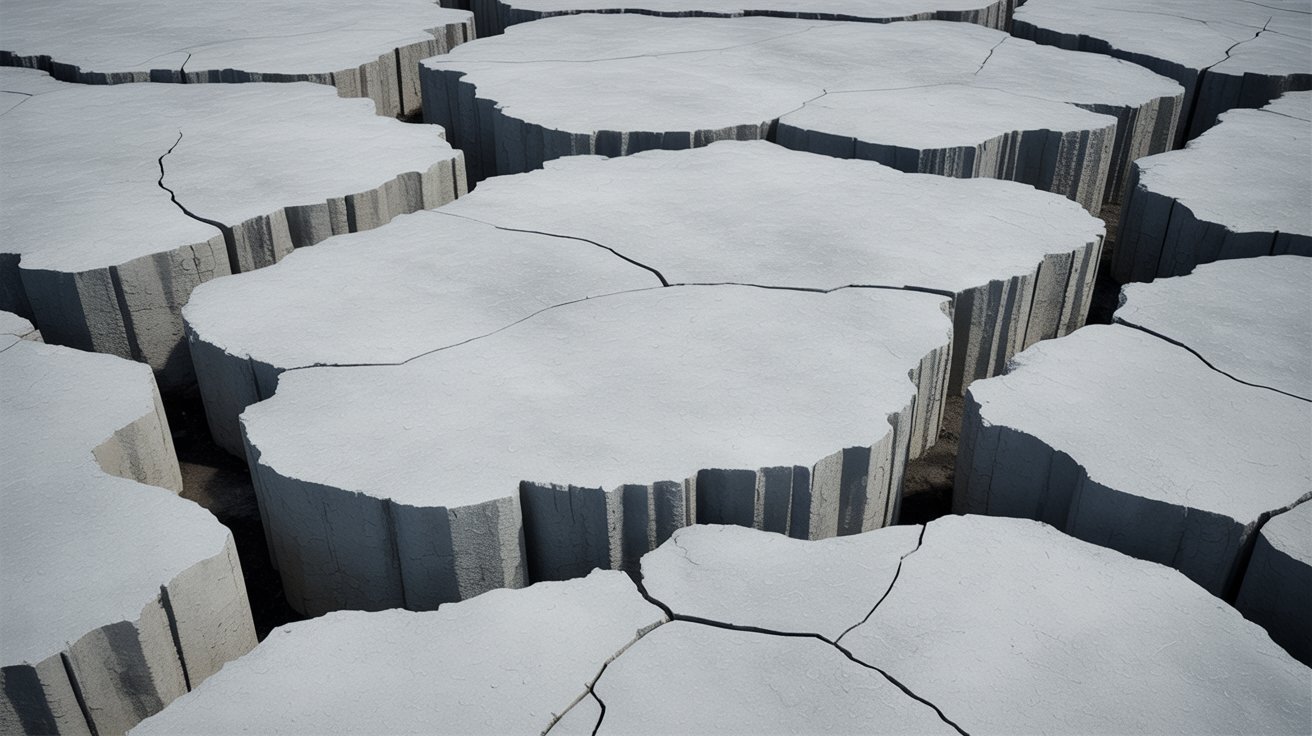
Freeze, thaw, repeat. This cycle destroys concrete over time.
Soil swelling from moisture also causes heaving. I see this constantly in northern climates.
Typical pattern: Cracks appear where the slab pushes upward unevenly.
6. Shrinkage Cracks In Concrete Slabs
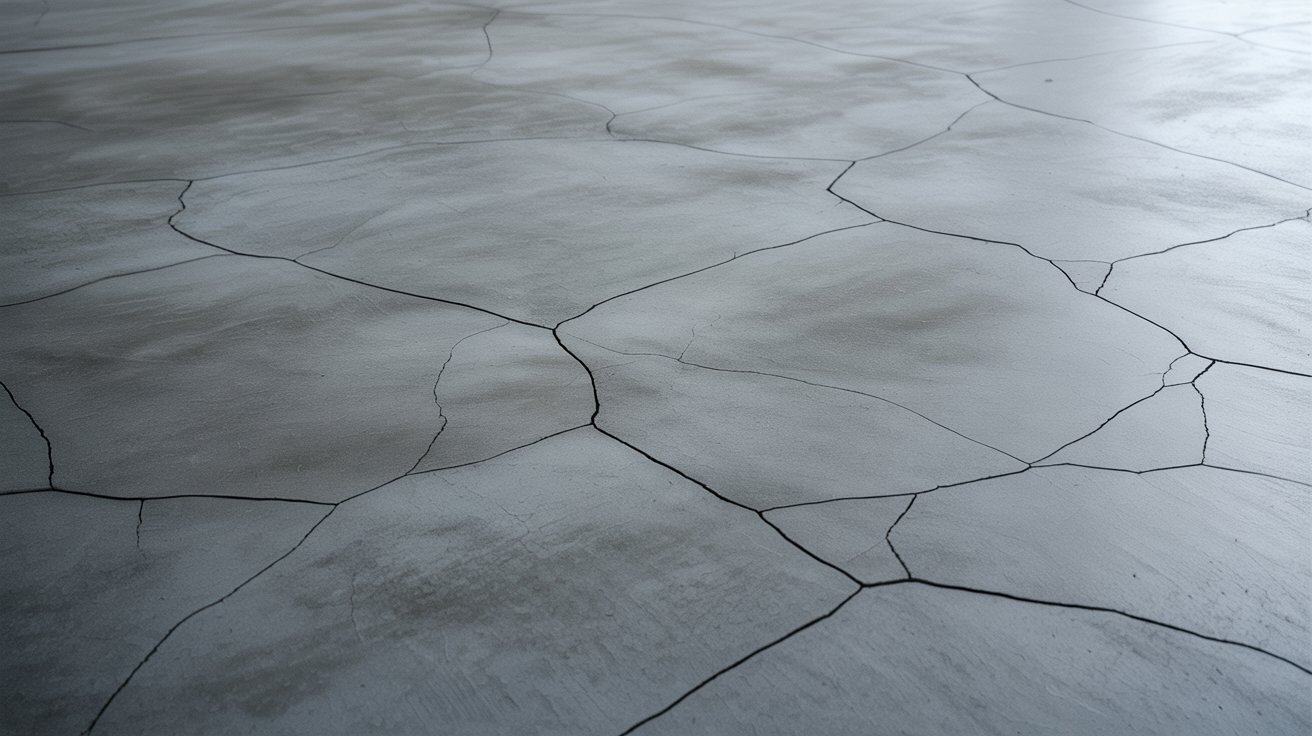
Concrete loses volume as it dries. Simple physics.
These typically look like fine hairlines across your slab. Normal part of the curing process.
Good news: Most shrinkage cracks are harmless and don’t affect structural integrity.
7. Overloading Cracks In Concrete Slabs
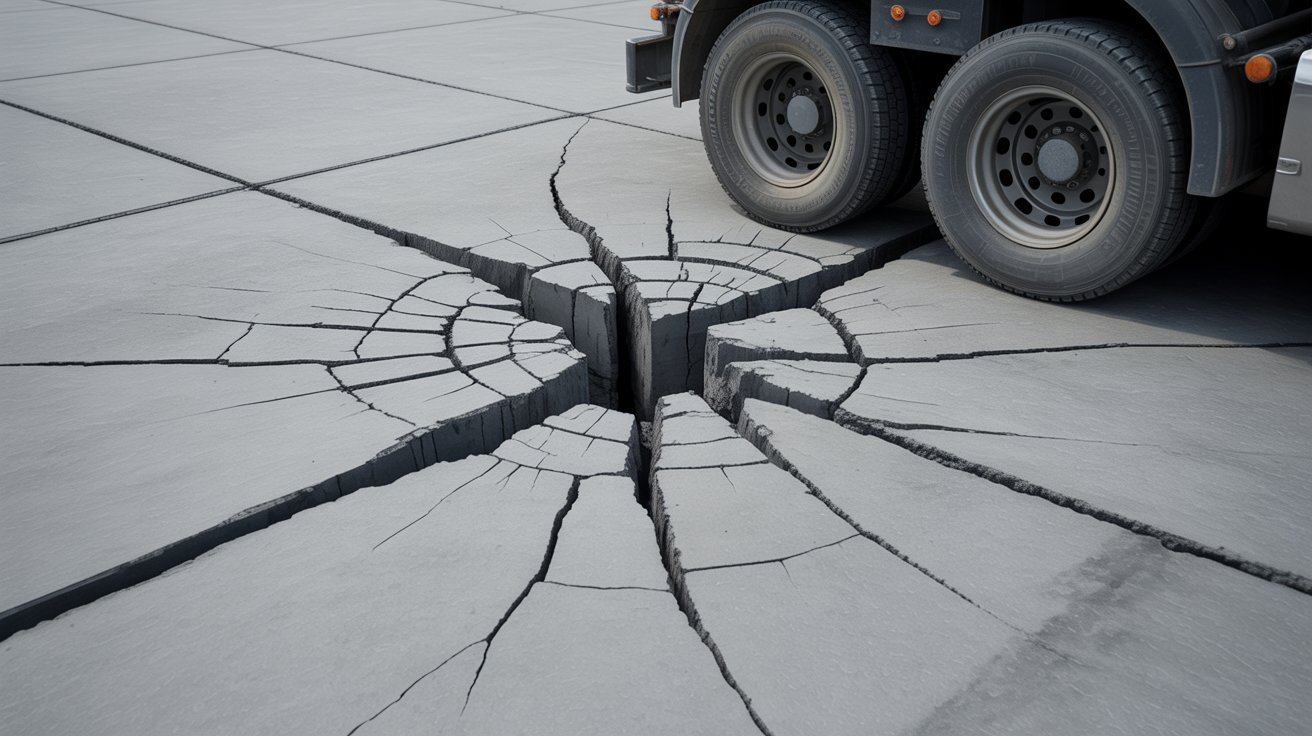
You’re asking your slab to carry more weight than it was designed for.
I see this in driveways where heavy trucks park regularly. Industrial floors face the same problem.
Signs: Cracks appear under heavy load areas. They often run perpendicular to the load direction.
8. Curling Cracks In Concrete Slabs
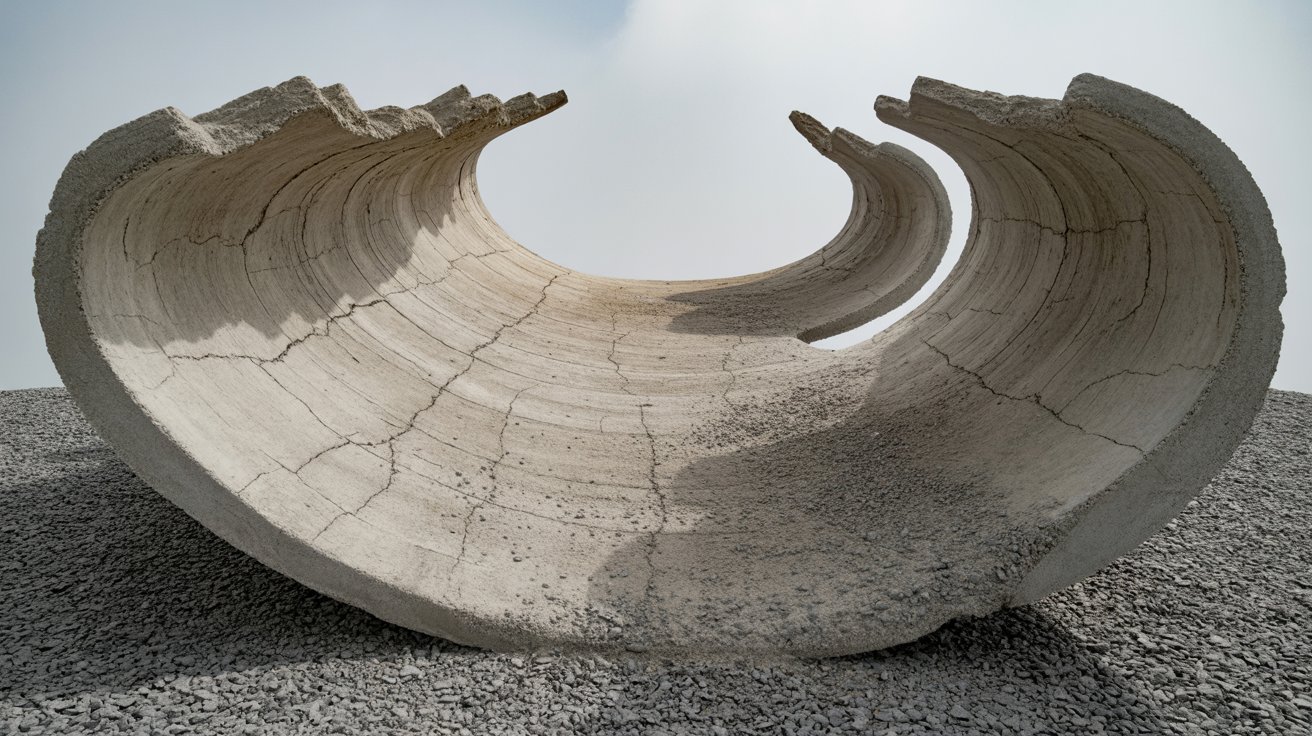
The edges of your slab warp up or down like a potato chip.
This happens when the top and bottom of the slab dry at different rates. Uneven moisture creates uneven stress.
Result: Cracks along the curled edges where tension is highest.
9. Corrosion-Induced Cracks In Concrete Slabs
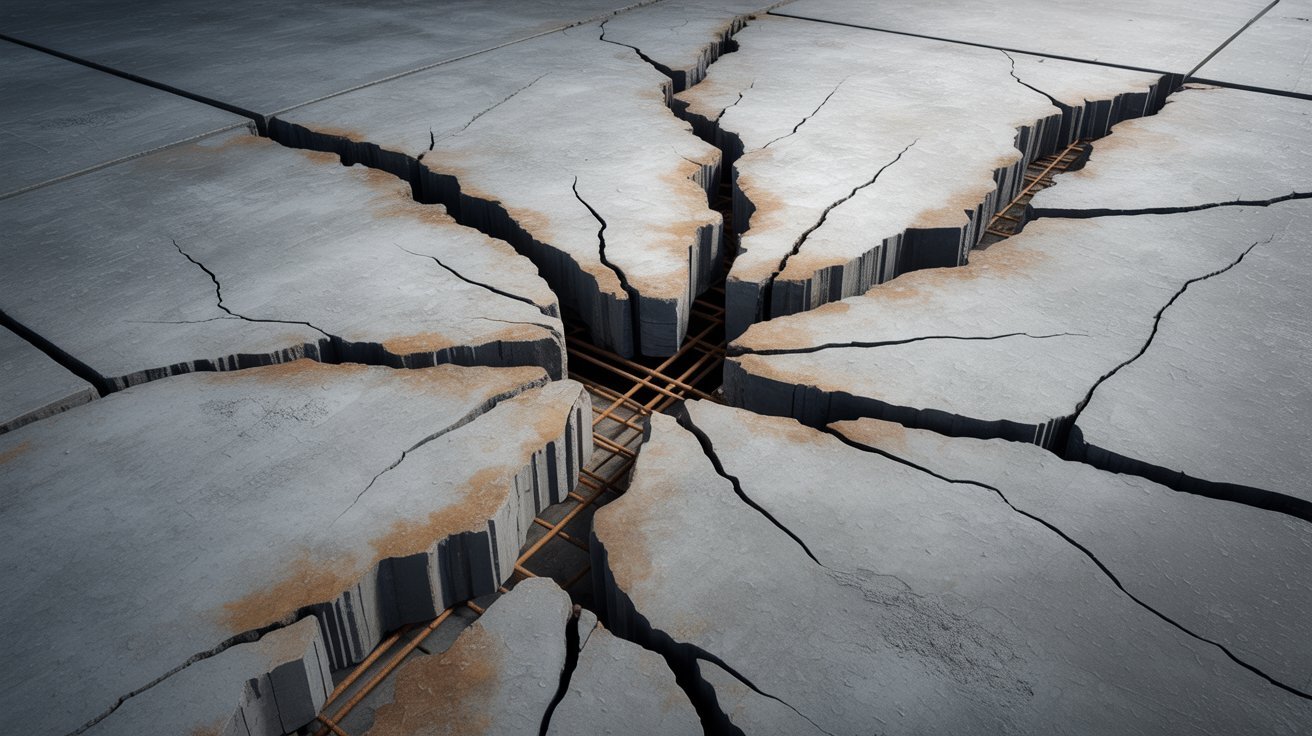
Rusty steel rebar expands and splits your concrete from the inside.
When steel corrodes, it grows in volume. This expansion pressure cracks the surrounding concrete.
Long-term problem: These cracks let in more water, making corrosion worse.
10. Diagonal Cracks In Concrete Slabs

Uneven stress creates diagonal crack patterns.
You’ll often see these at corners or where heavy loads concentrate in one spot.
Location matters: Corner cracks are common and usually not serious. Mid-slab diagonal cracks need attention.
11. Map Cracks (Crazing Cracks) In Concrete Slabs
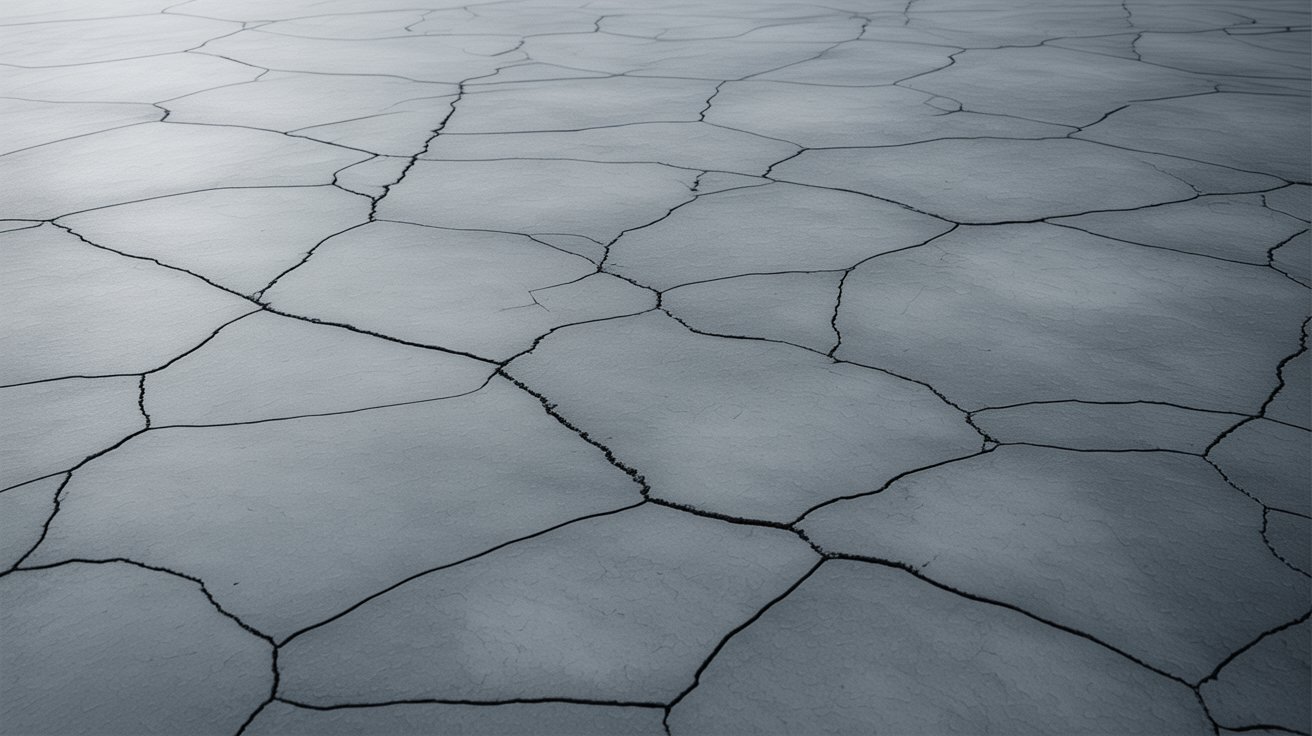
A network of tiny surface cracks that looks like a road map.
Poor curing conditions usually cause this pattern. The surface dries too quickly compared to the interior.
Impact: Mostly cosmetic, but can indicate deeper curing problems.
12. Frost Action Cracks In Concrete Slabs

Winter is tough on outdoor concrete slabs.
Repeated freezing and thawing cycles break down the surface gradually. Water gets into tiny pores, freezes, and expands.
Prevention: Proper sealing helps protect against freeze-thaw damage.
13. Hairline Cracks In Concrete Slabs
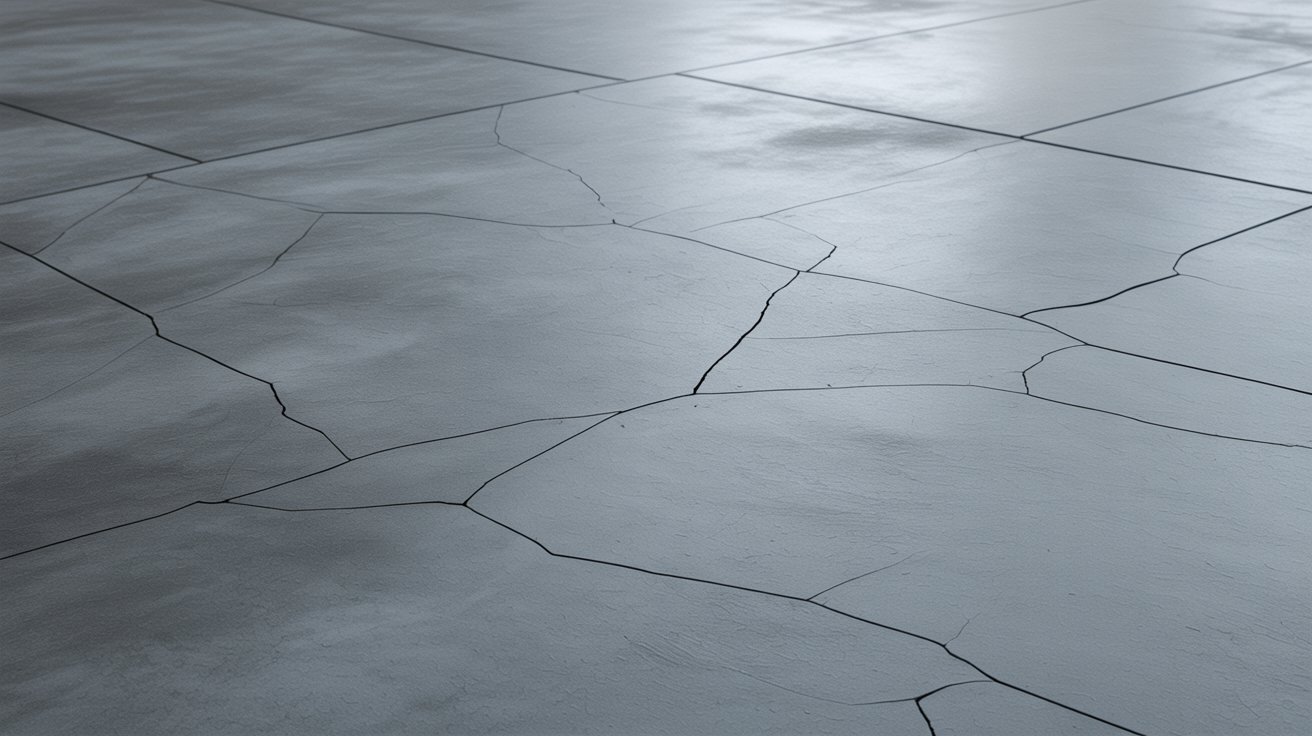
Very thin cracks that are barely visible to the naked eye.
These are extremely common in new slabs. Part of the natural curing process.
Monitoring tip: Take photos and measure them monthly. Growing hairline cracks need professional evaluation.
Most hairline cracks stay stable forever.
What Should You Do About Types Of Cracks In Concrete Slabs?
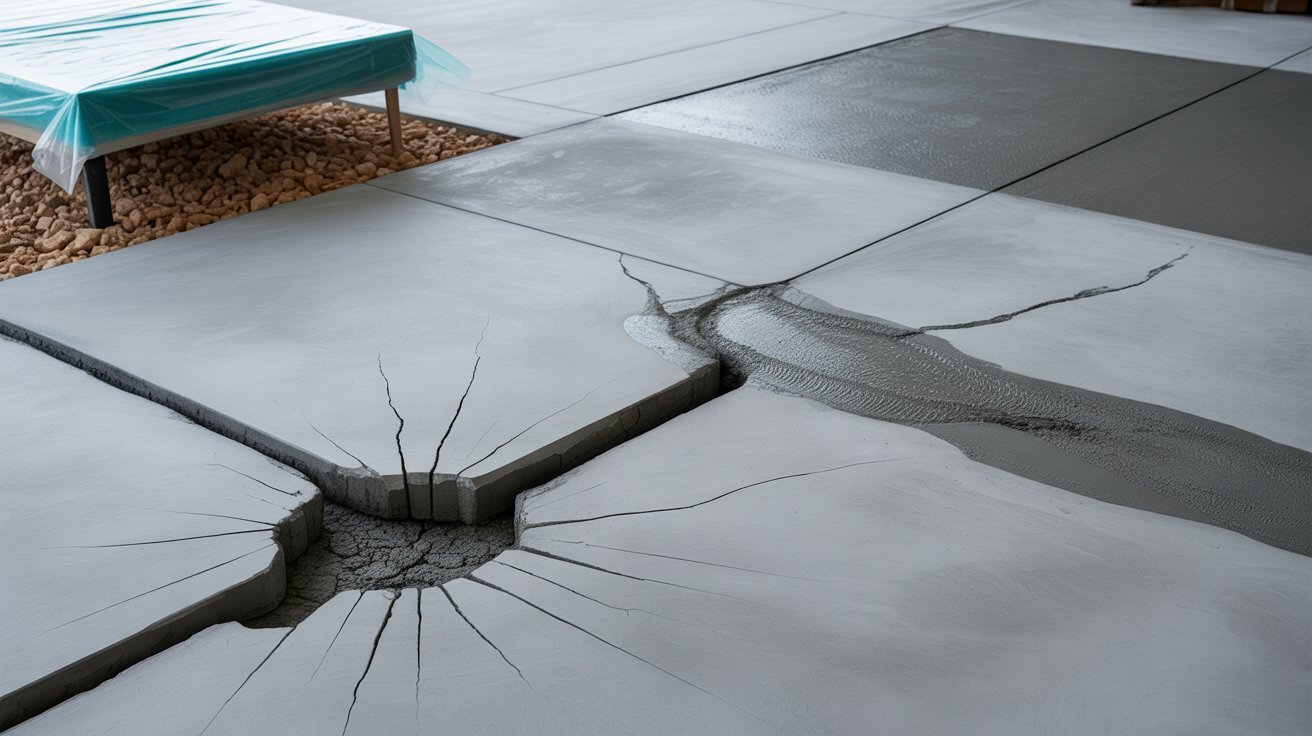
Once you’ve identified your crack type, here are the proven repair methods and prevention strategies I use to fix and prevent concrete slab cracking.
Repair Methods For Cracks In Concrete Slabs
Action beats inaction every single time with concrete cracks.
Let me share the three main repair approaches I rely on.
Epoxy injections work best for structural cracks. I inject liquid epoxy deep into the crack under pressure. It hardens stronger than the original concrete.
Here’s the catch. The crack must be completely dry first. Any moisture ruins the bond.
Polyurethane sealants handle moving cracks perfectly. They stay flexible after curing. I use these for expansion cracks and settlement issues.
Why polyurethane? Because concrete moves. Rigid repairs crack again. Flexible sealants move with the concrete.
Resurfacing and patch repairs fix surface problems like map cracks and minor damage.
I remove loose concrete first. Clean the area thoroughly. Apply new concrete or specialized patching compound.
Pro tip: Match the existing concrete color as closely as possible. Nobody wants obvious patches.
Preventive Measures Against Types Of Cracks In Concrete Slabs
Prevention costs less than repairs. Trust me on this one.
Proper curing techniques prevent most early cracking problems.
I keep concrete moist for at least seven days after pouring. Cover it with plastic sheeting or use curing compounds. Slow curing equals strong concrete.
Fast drying creates weak, cracked concrete.
Soil preparation and compaction stop settlement cracks before they start.
I compact the soil in lifts. Test each layer before adding the next. Properly compacted soil doesn’t settle.
Skip this step and you’ll pay later with cracked slabs.
Control joints and correct reinforcement manage where cracks appear.
Control joints create weak spots where concrete cracks predictably. I space them every 10-12 feet in residential slabs.
Steel reinforcement doesn’t prevent cracks. It holds cracked sections together and maintains structural integrity.
Fiber reinforcement reduces plastic shrinkage cracks. I add synthetic fibers to the concrete mix for better crack resistance.
Bottom line: Good preparation prevents 80% of crack problems. The extra time and money spent upfront saves massive headaches later.
Mistakes To Avoid
Here are the most common errors that lead to concrete slab cracking and costly repairs down the road.
- Pouring concrete on hot, windy days without proper protection causes plastic shrinkage cracks
- Skipping soil compaction leads to settlement cracks that require expensive foundation repairs
- Forgetting expansion joints every 10-12 feet results in random cracking from thermal movement
- Allowing concrete to dry too quickly during curing weakens the slab and creates surface cracks
- Ignoring proper reinforcement spacing leads to structural cracks under normal loads
- Using wet concrete for epoxy repairs prevents proper bonding and causes repair failure
- Choosing rigid sealants for moving cracks creates repeated cracking as the concrete shifts
- Overloading slabs beyond design capacity causes permanent structural damage
- Neglecting regular crack monitoring allows small problems to become major structural issues
Conclusion
Understanding the different types of cracks in concrete slabs gives you the power to make smart decisions about your property. I’ve shown you how to identify everything from harmless hairline cracks to serious structural damage that needs immediate professional attention.
Remember, not every crack spells disaster. Many are normal parts of concrete’s natural behavior. The key is knowing which ones to worry about and which ones you can safely ignore.
Prevention remains your best strategy. Proper soil preparation, correct curing techniques, and appropriate reinforcement stop most problems before they start. When repairs are needed, choose the right method for your specific crack type.
Stay vigilant, act quickly when necessary, and your concrete slabs will serve you well for decades to come.
Frequently Asked Questions
Are All Cracks In Concrete Slabs Serious?
No, many cracks are completely normal and harmless. Hairline cracks and minor shrinkage cracks are part of concrete’s natural curing process and don’t affect structural integrity.
How Can I Tell If A Crack Needs Professional Repair?
Look for cracks wider than a quarter inch, cracks that keep growing, or any crack that goes completely through the slab. These signs indicate potential structural problems that require expert evaluation.
What Causes Concrete Slabs To Crack In Winter?
Freeze-thaw cycles cause the most winter damage to concrete slabs. Water enters tiny pores, freezes and expands, then thaws and contracts, gradually breaking down the concrete surface.
Can I Prevent Cracks From Forming In New Concrete?
Yes, proper soil compaction, correct curing techniques, and installing control joints every 10-12 feet prevent most cracking problems. Good preparation during installation saves money on future repairs.
When Should I Seal Concrete Cracks?
Seal cracks as soon as you notice them to prevent water infiltration and further damage. Even small cracks can let moisture in, leading to bigger problems like freeze-thaw damage or steel corrosion.
