

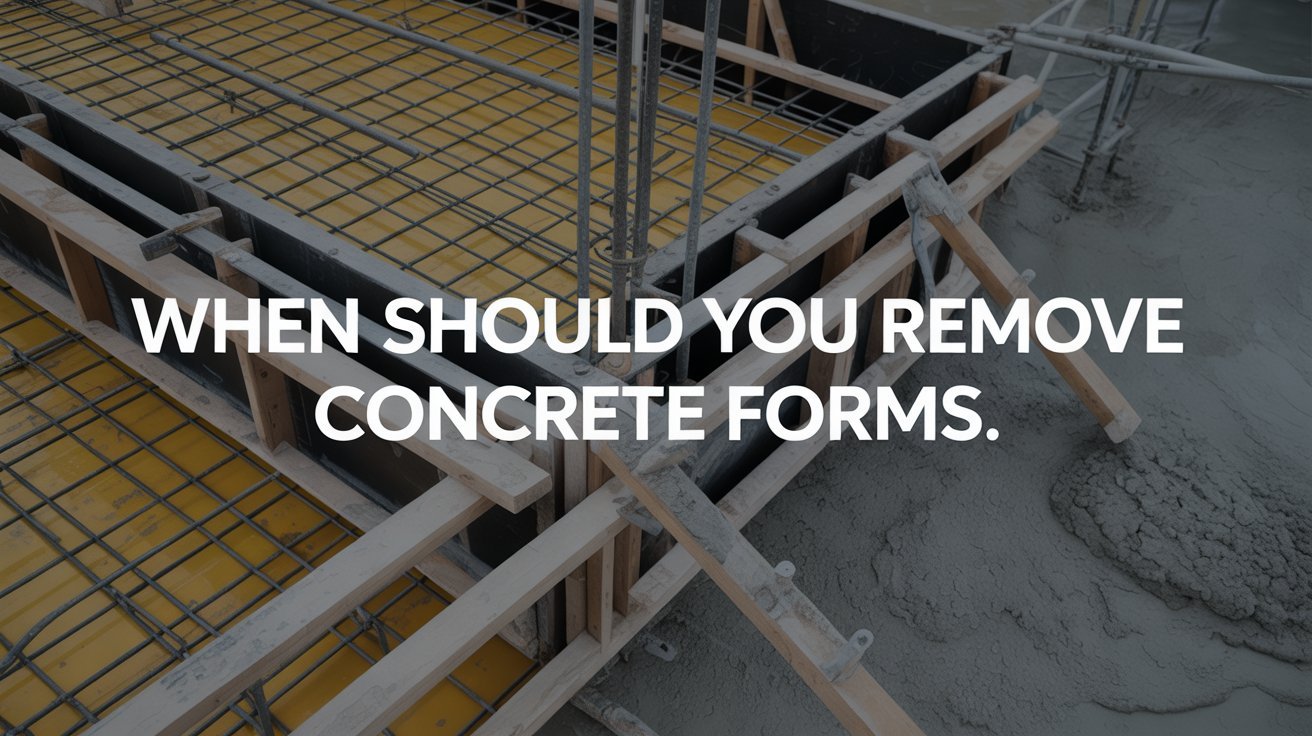
Concrete forms are the backbone of any successful concrete project, holding everything in place while your concrete cures.
But here’s the thing that trips up most builders: knowing exactly when to pull those forms off. Remove them too early, and you risk damaging your concrete. Wait too long, and you might face cleanup headaches or surface issues.
I’ve seen countless projects go sideways because someone guessed at form removal timing instead of following proven guidelines. That’s why I’m sharing everything I know about concrete form removal timing in this guide.
You’ll learn the factors that determine when forms should come off, how to test if your concrete is ready, and the step-by-step process for safe removal.
Trust me, getting this right will save you time, money, and frustration. Let’s get your project done right the first time.
What Are Concrete Forms?
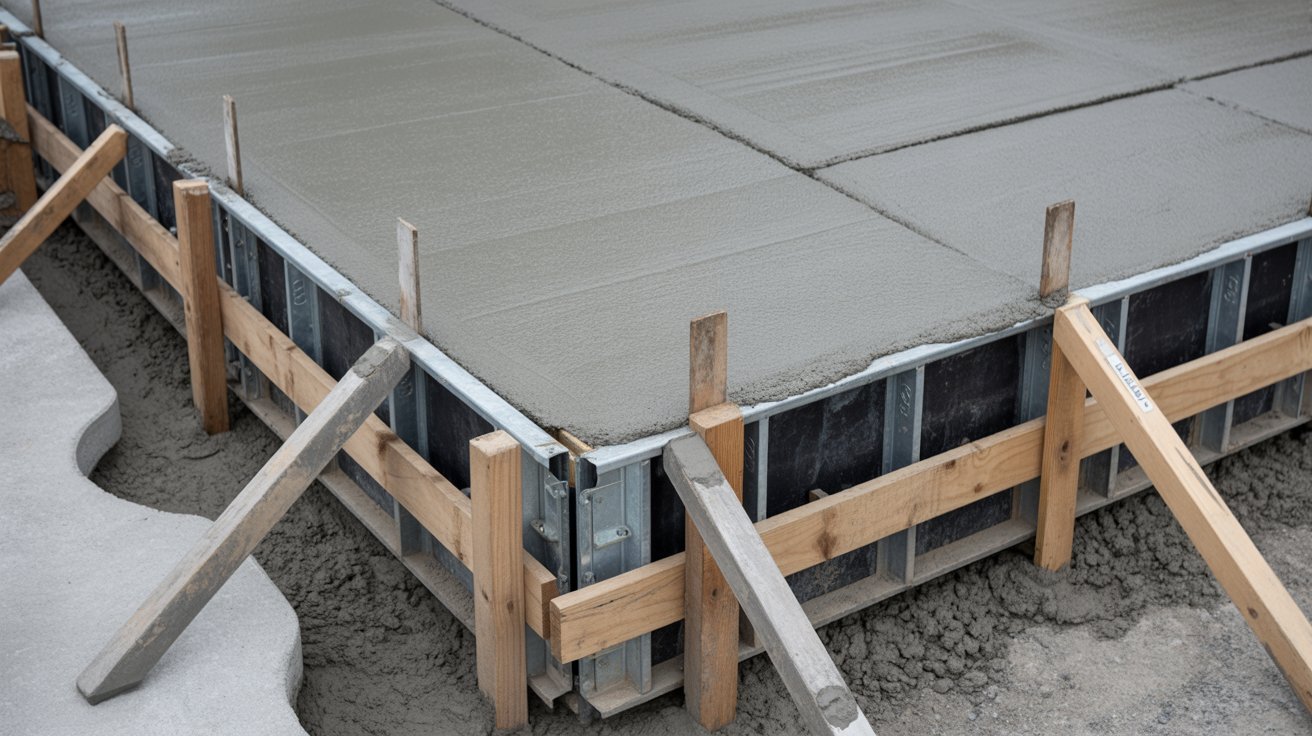
Concrete forms are temporary structures that hold wet concrete in place until it hardens into the desired shape.
Think of concrete forms as molds for your concrete. Just like you’d use a cake pan to shape a cake, forms give concrete its final shape.
I use forms every time I pour concrete. They’re basically walls made from wood, metal, or plastic that contain the wet mix. Without them? Your concrete would just spread out like pancake batter.
Here’s what makes forms so important: they create clean edges and smooth surfaces. Plus they keep everything level while the concrete sets.
The most common types I work with include:
- Wooden boards for simple projects
- Metal panels for larger jobs
- Plastic forms for curved shapes
- Foam blocks for foundations
Once your concrete gets hard enough to hold its shape, you can remove the forms. That’s when the real magic happens, you get to see your finished concrete surface.
But here’s the catch: timing matters big time. Pull forms too soon and you’ll damage your work. Wait too long and removal becomes a nightmare.
Which Type Of Concrete Form To Use Before Deciding When To Remove Concrete Forms
The type of form you choose directly affects how long you’ll wait before removal and how easy the process will be.
Let me break down what I’ve learned from years of concrete work.
Wood Forms And When To Remove Concrete Forms
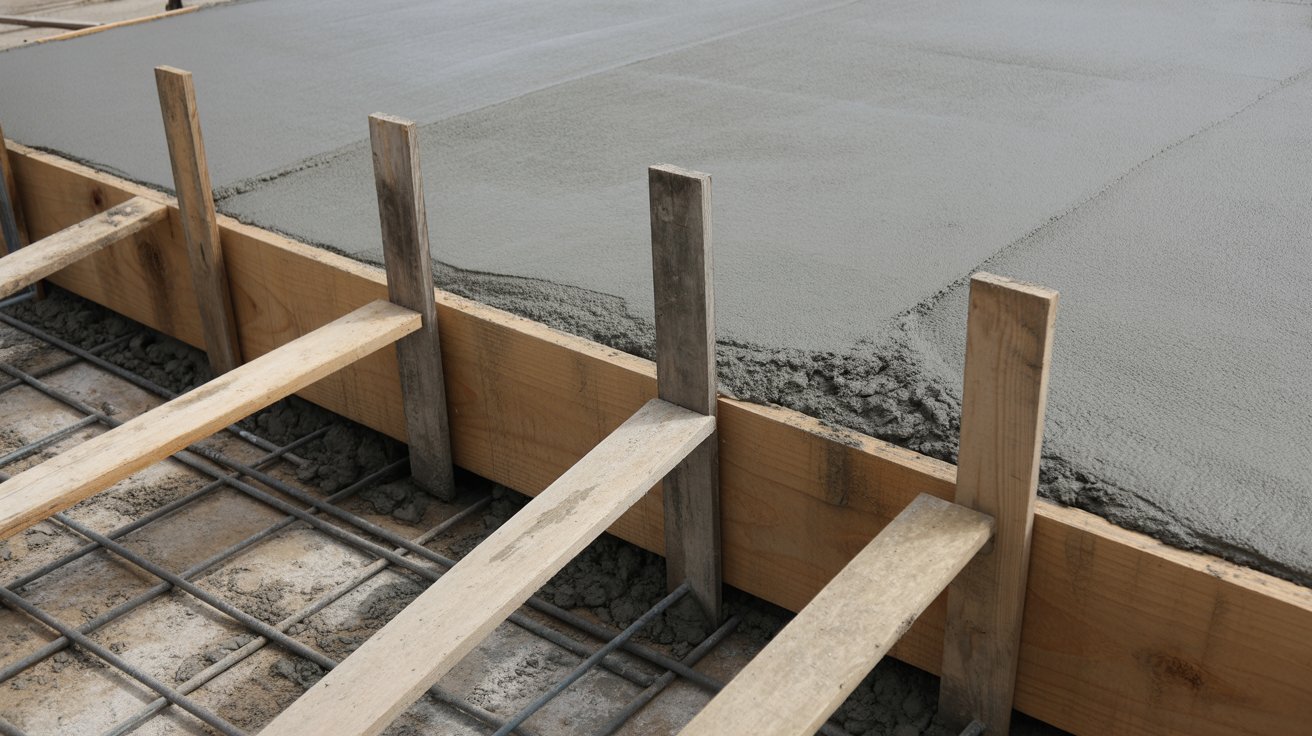
Wood forms are my go-to for most residential projects. They’re cheap and easy to work with.
But here’s the thing about wood: it absorbs moisture from concrete. This actually helps with curing but makes removal timing tricky.
I typically wait 24 to 48 hours for vertical wood forms. For horizontal surfaces? Usually 7 days minimum.
Wood forms can stick if you wait too long. Trust me on this one. I’ve spent hours chiseling stuck boards off concrete.
Steel Forms And When To Remove Concrete Forms
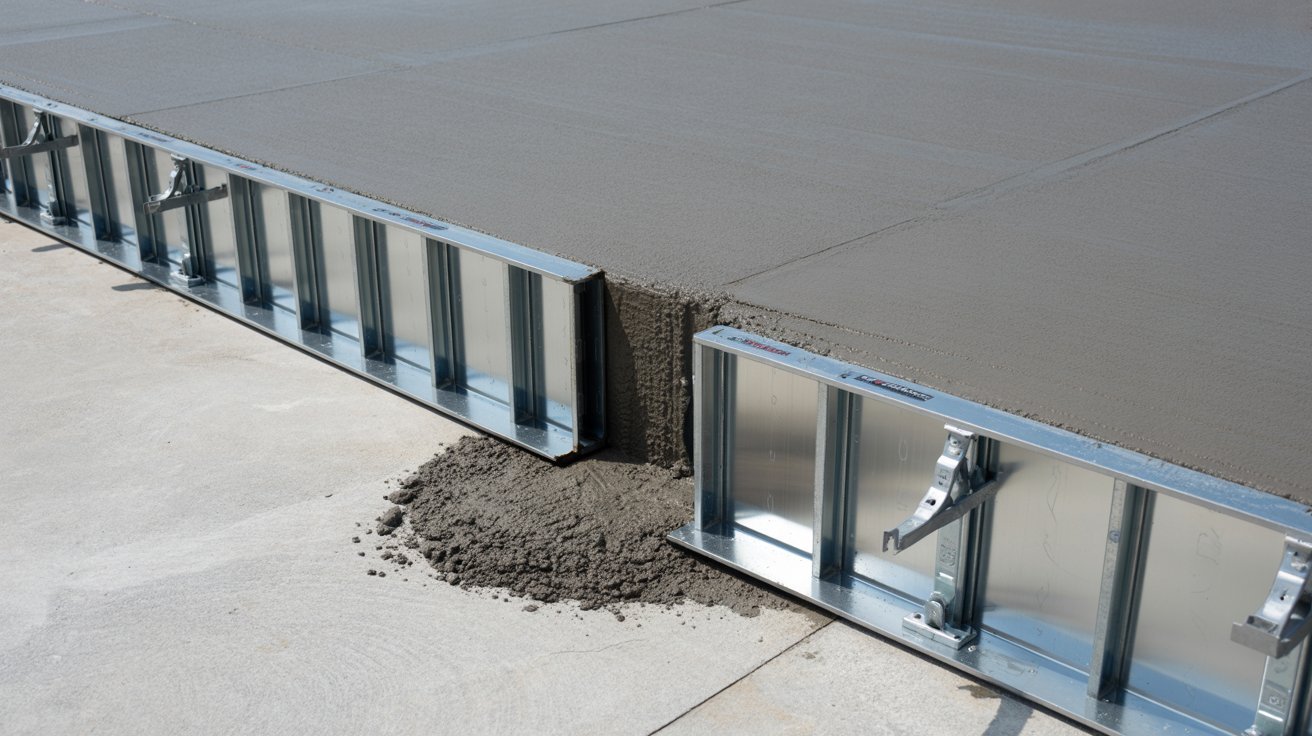
Steel forms are built to last. I use them on big commercial jobs where I need perfect results.
The best part? No moisture absorption. Your concrete cures more predictably.
Steel forms come off easier than wood. I can usually remove them after 18 to 24 hours for walls. Floor slabs still need that full week though.
One downside: they cost more upfront. But you’ll reuse them dozens of times.
Plastic And Insulated Forms And When To Remove Concrete Forms
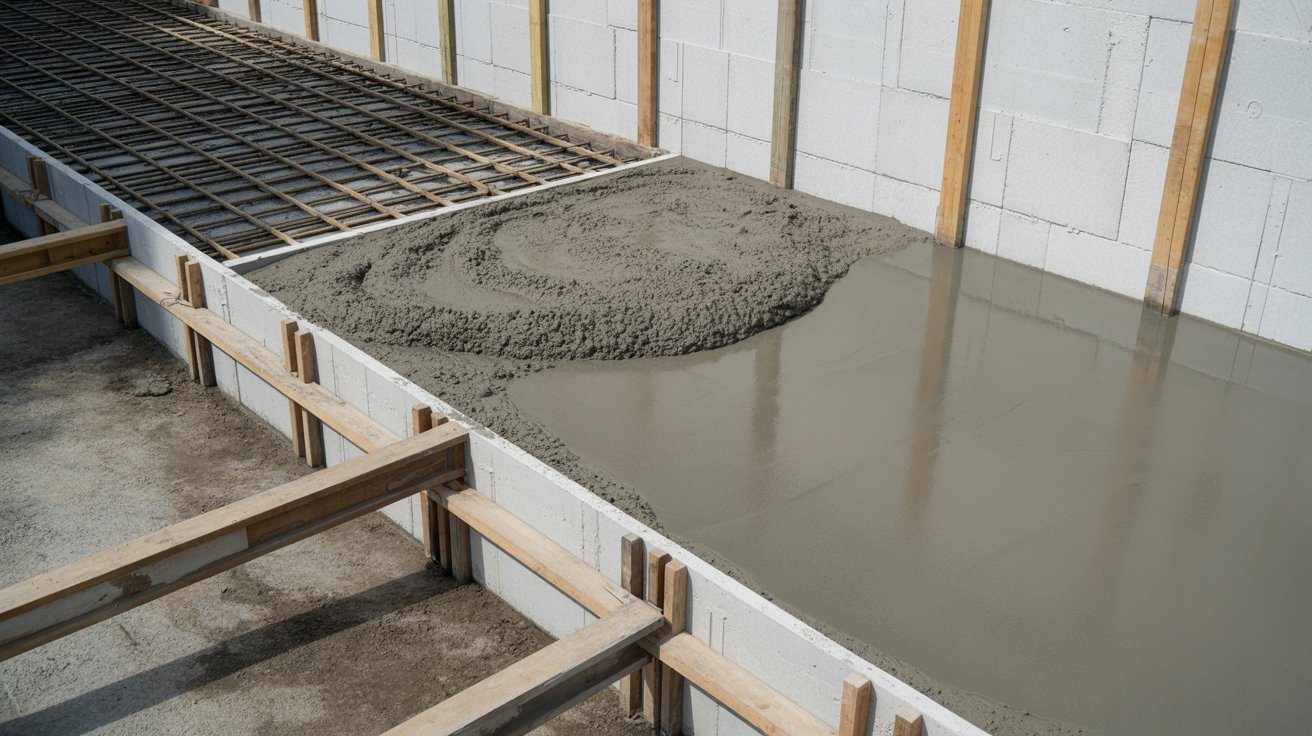
Modern plastic forms are changing the game. Some stay in place permanently.
ICF forms (insulated concrete forms) never come off. They become part of your wall system.
Regular plastic forms? Super easy removal. No sticking problems like wood. I can pull them after 24 hours in most cases.
The smooth finish you get is incredible. No sanding or patching needed.
Factors Influencing When To Remove Concrete Forms

Several key conditions determine your exact form removal timing, and ignoring any of them can ruin your project.
I’ve learned this the hard way: one size doesn’t fit all when it comes to form removal. Every job is different.
Here’s what I check before pulling any forms off my concrete pours.
Temperature makes or breaks your timeline. Hot weather speeds up curing. Cold weather slows it down dramatically.
In summer heat above 80°F? Your concrete might be ready in 18 hours. Winter temps below 40°F? You could wait a full week for the same strength.
I always keep a thermometer on site. Temperature swings can add days to your schedule.
Your cement mix controls everything. Standard Portland cement follows predictable patterns. But specialty mixes? That’s a whole different story.
Fast-setting concrete lets me remove forms in 6 to 12 hours. High-strength mixes need extra time to reach full potential.
I read every bag label carefully. The manufacturer knows their product best.
Thick concrete takes longer to cure. A 4-inch slab hardens faster than a 12-inch foundation wall.
Why? Heat builds up inside thick sections. This actually speeds initial hardening but requires longer overall curing time.
Thin sections cool quickly and cure evenly. Thick sections stay warm for days.
Load requirements change everything. A decorative wall has different needs than a structural beam.
Non-load-bearing elements? I can remove forms once the surface won’t damage. Usually 24 to 48 hours.
Load-bearing structures need full design strength before form removal. This typically means 7 to 28 days depending on the load.
I never rush structural elements. Safety always comes first.
When To Remove Concrete Forms For Different Structures
Each concrete structure has its own removal timeline based on how much weight it carries and how it’s built.
Let me share the specific timelines I follow for different types of pours.
When To Remove Concrete Forms For Walls And Columns
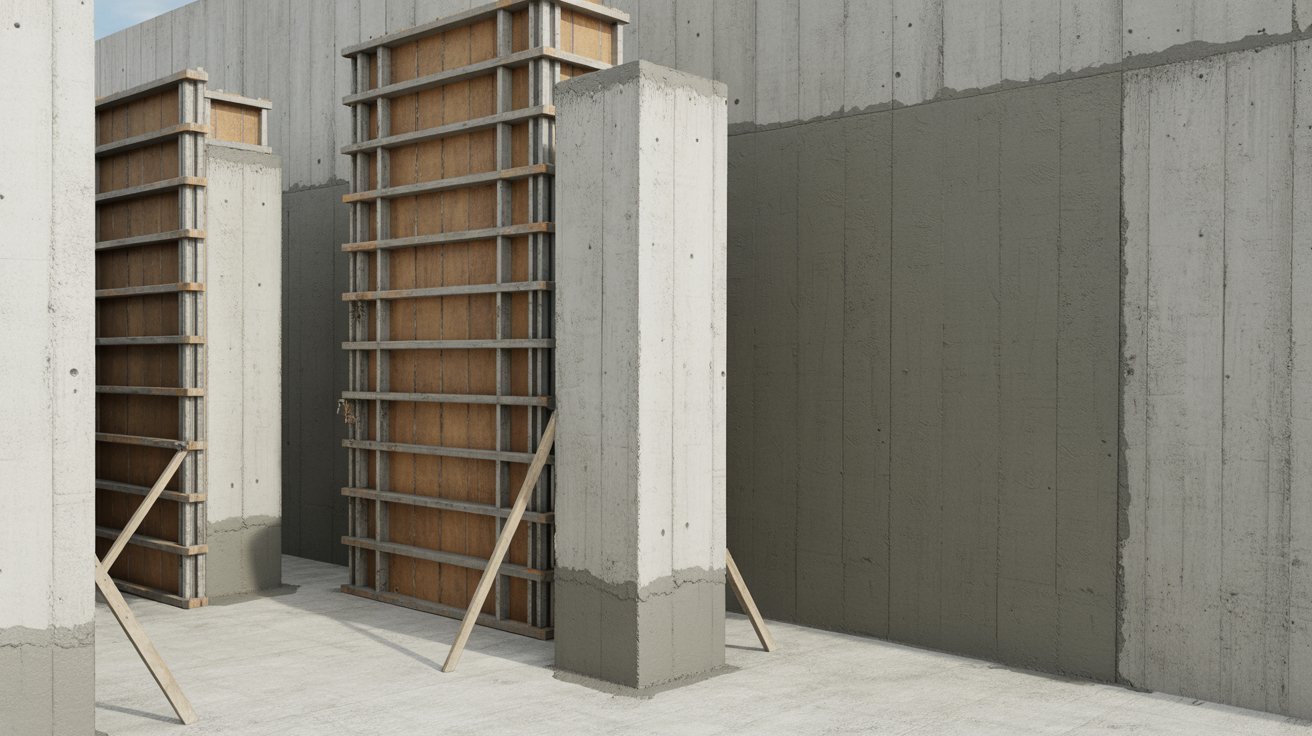
Vertical structures cure faster than you’d think. Gravity works in your favor here.
I typically remove wall forms after 24 to 48 hours in normal weather. The concrete doesn’t support its own weight plus any additional loads.
Here’s my quick test: I tap the surface with my knuckles. Solid thud means ready. Hollow sound means wait longer.
I also press my thumb firmly against the surface. No indentation? Good to go.
But watch out for corners and edges. They cure slower than flat surfaces. I check these spots extra carefully before pulling forms.
Columns follow similar rules but need extra attention at the bottom. That’s where all the weight concentrates.
When To Remove Concrete Forms For Slabs And Beams
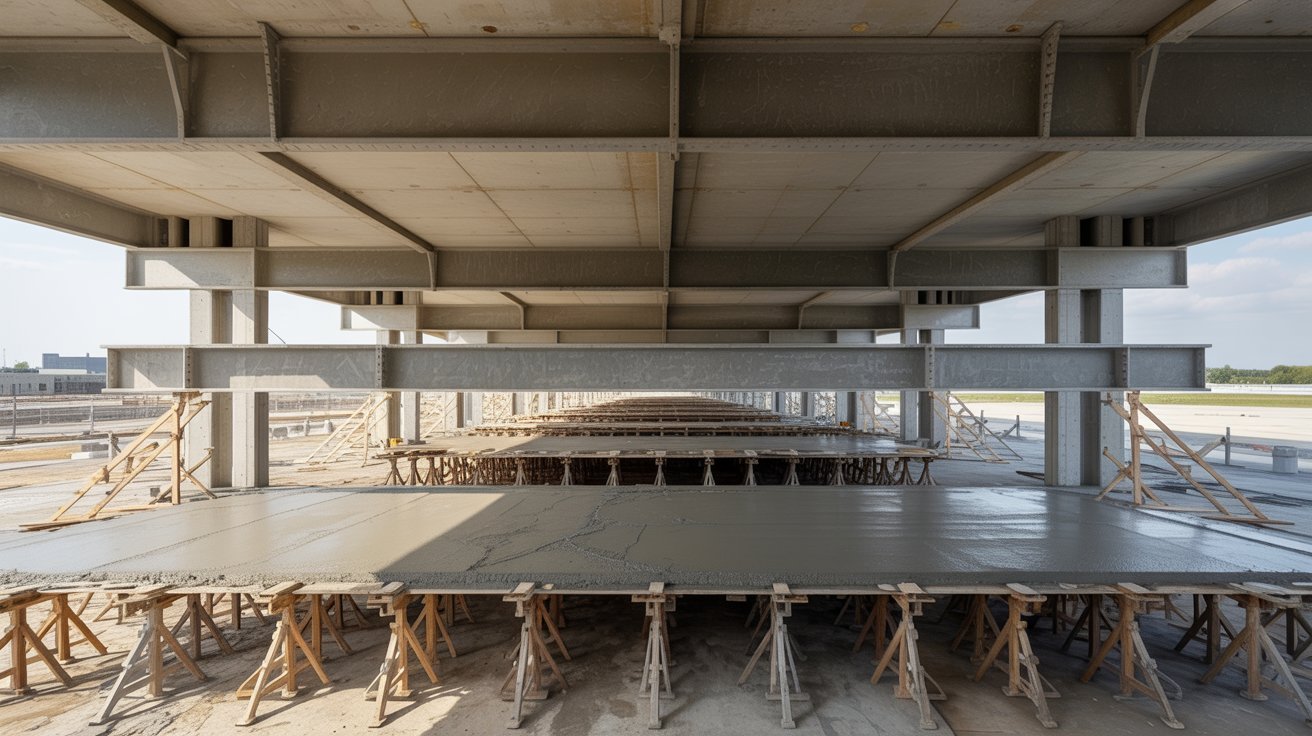
Horizontal structures carry their own weight plus everything above them. This changes everything.
I wait a minimum of 7 days for most slabs. Beams often need 14 to 21 days depending on span length.
Why so long? Flexural strength develops slower than compression strength. Your slab might feel hard but still lack proper bending resistance.
I never rush floor slabs. A premature failure here affects the entire building above.
For beam forms, I leave supports in place even longer. The center span is always the last to gain full strength.
Temperature matters more with slabs. Cold weather can double your waiting time.
When To Remove Concrete Forms For Foundations

Foundation work requires maximum patience. These structures carry your entire building.
I wait a minimum of 7 days for residential foundations. Commercial projects often need 14 to 28 days before form removal.
Foundation concrete continues gaining strength for months. But I only need enough strength to handle backfill pressure and initial loads.
Here’s what I check before removing foundation forms:
The concrete sounds solid when tapped. Surface scratches require significant pressure. No soft spots anywhere on the wall.
Frost protection extends these timelines in winter. Frozen concrete stops curing completely.
I use concrete blankets and heaters when temperatures drop below 40°F. This keeps curing active during cold snaps.
Bottom line: foundations support everything above. I’d rather wait too long than risk structural problems later.
Mistakes To Avoid
Common form removal errors that can damage your concrete and cost you time and money.
- Removing forms too early based on surface hardness alone – The surface might feel solid while the interior is still weak
- Ignoring temperature effects on curing time – Cold weather can double your waiting period, hot weather speeds it up
- Using the same timeline for all concrete structures – Walls need 24-48 hours, slabs need 7+ days, foundations need even longer
- Not checking corners and edges before removal – These areas cure slower than flat surfaces and need extra attention
- Rushing structural elements like beams and load-bearing walls – These need full strength development before form removal
Conclusion
Getting concrete form removal timing right is one of the most critical skills in construction.
I’ve shown you how different structures need different waiting periods, from walls at 24-48 hours to foundations requiring weeks of patience.
Remember the key factors: temperature affects everything, concrete thickness matters, and load-bearing elements always need more time.
Don’t rush the process based on surface feel alone. Use proper testing methods and always err on the side of caution.
The time you invest in proper curing pays off with stronger, more durable concrete that lasts for decades.
Follow these guidelines, respect the curing process, and your concrete projects will stand the test of time. Your future self will thank you for the patience.
Frequently Asked Questions
How Long Should I Wait Before Removing Concrete Forms?
The timing depends on your structure type and conditions. Walls typically need 24-48 hours, while slabs require 7+ days and foundations need 7-28 days for full strength.
Can I Remove Forms Early If The Surface Feels Hard?
No, surface hardness doesn’t indicate internal strength. The concrete core may still be weak even when the surface feels solid, leading to potential damage or failure.
Does Cold Weather Affect Form Removal Timing?
Yes, cold temperatures significantly slow concrete curing. You may need to double your normal waiting time when temperatures drop below 40°F.
What’s The Difference Between Removing Forms For Walls Vs Slabs?
Walls cure faster because they’re vertical and don’t carry structural loads. Slabs need longer curing time since they must support their own weight plus additional loads above.
How Do I Know When My Concrete Is Ready For Form Removal?
Use the tap test and thumb press method. Solid thud sounds and no surface indentation indicate readiness, but always follow minimum time requirements for safety.
