


After years working as a machinist and contractor, I can tell you that shims are some of the most underrated yet essential tools in any professional’s toolkit.
These thin, flat pieces of material, typically metal, plastic, or wood serve one crucial purpose, filling gaps to achieve perfect alignment, leveling, and spacing between components.
Throughout my career spanning mechanical repair, automotive restoration, and industrial equipment installation, I’ve relied on shims countless times to solve precision problems.
From leveling massive machinery in factories to aligning engine components in classic cars, shims provide the micro-adjustments that separate amateur work from professional results.
What might seem like simple spacers actually require an understanding of material properties, load distribution, and measurement precision. Today, I’ll share the knowledge I’ve gained about when, where, and how to use shims effectively.
What Are Shims?
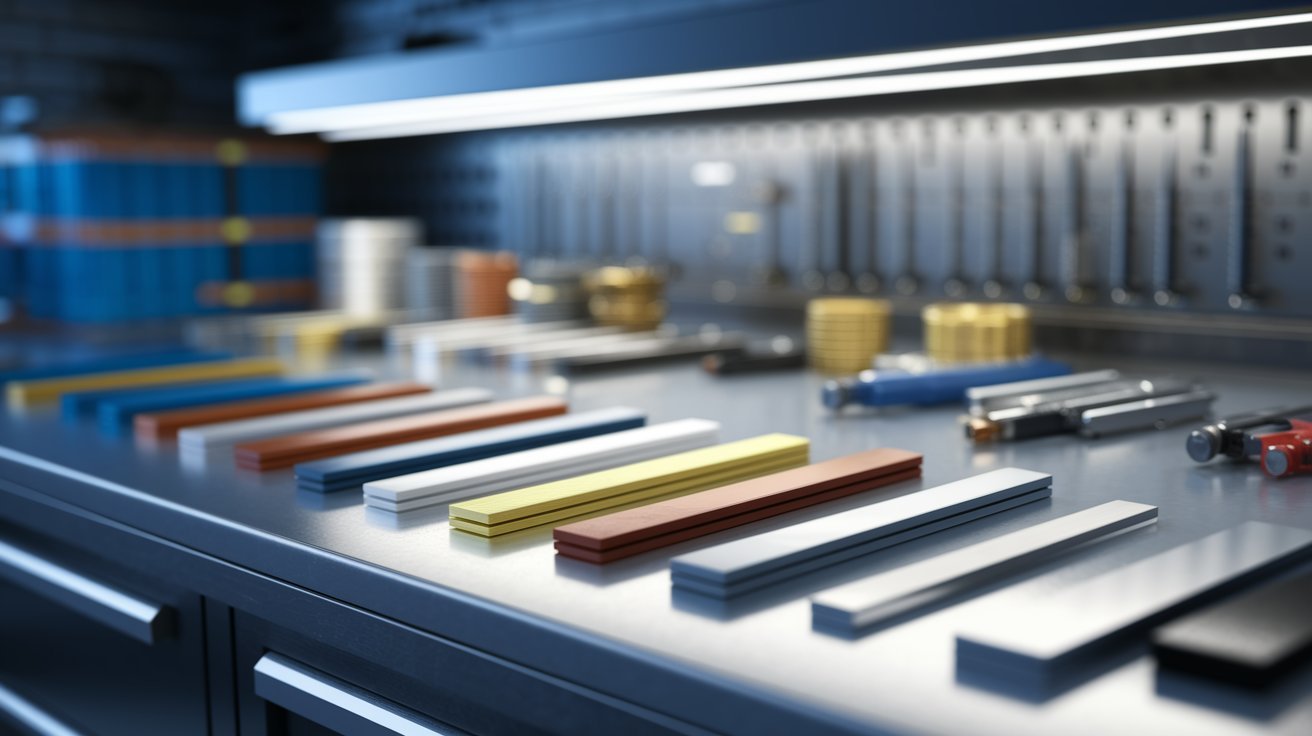
Shims are thin, flat pieces of material used to fill gaps and achieve precise alignment between components.
These tools range from thousandths of an inch to several millimeters thick, compensating for manufacturing tolerances and installation variations.
Common materials include plastic, rubber, brass, aluminum, and stainless steel, each selected for specific application needs.
Plastic works for lightweight uses, rubber provides vibration dampening, and brass suits marine environments.
Stainless steel is the preferred material for professional applications due to its superior corrosion resistance, exceptional strength, and dimensional stability.
It handles extreme temperatures and harsh environments without degrading, making it ideal for industrial equipment and demanding installations where long-term reliability is essential.
How Do Shims Work?

Shims function by providing precise spacing, alignment, and gap filling between components that don’t fit perfectly. They create exact distances needed for proper positioning, ensuring parts align correctly and function as designed.
The mechanism involves inserting shims where tolerances are too tight or loose. They maintain consistent spacing between moving parts, correct angular misalignments, and fill gaps to prevent unwanted movement between surfaces.
Shims improve accuracy and stability by eliminating play and creating rigid connections. They distribute loads evenly, preventing stress concentrations and ensuring optimal machinery performance while extending equipment life.
Properly installed shims prevent wear, vibration, and misalignment by eliminating gaps and wobbles.
They reduce friction, prevent metal-to-metal contact, and absorb minor vibrations, protecting components while maintaining precise positioning for smoother operation and reduced maintenance.
Types of Shims
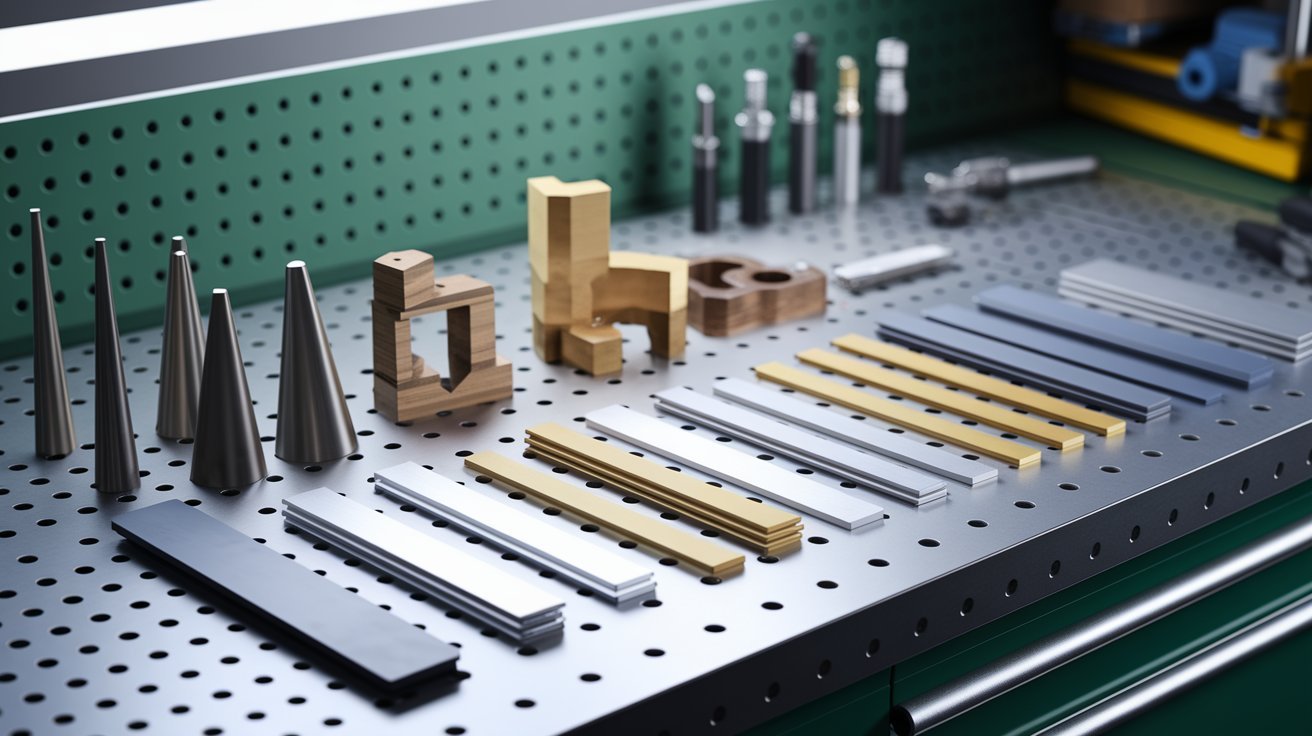
- Flat Shims: Flat shims are uniform-thickness pieces that provide consistent spacing across their entire surface. They work perfectly for machinery mounting, bearing adjustments, and general alignment tasks requiring even gap filling.
- Tapered Shims: Tapered shims feature a wedge shape that gradually increases in thickness from one end to the other. This design allows for angular corrections and fine adjustments when components need slight tilting or precise positioning.
- Custom-Shaped Shims: Custom-shaped shims are manufactured with specific contours, holes, or cutouts to fit unique applications. These specialized pieces accommodate complex geometries found in automotive engines, industrial equipment, and specialized machinery.
- Pre-cut and Adjustable Shims: Pre-cut shims come in standard sizes ready for immediate use in common applications. Adjustable shims feature removable layers or expandable designs that allow thickness modification during installation.
Applications of Shims
Shims serve critical roles across automotive, industrial, and manufacturing sectors, providing precise alignment, spacing, and leveling solutions.
Automotive Applications
Shims adjust panel alignment and reduce gaps between doors, hoods, and fenders in bodywork. They’re essential for custom fabrication, mounting brackets, and workshop machinery leveling for smooth operation.
Belt alignment and motorcycle drivetrain mounting rely on shims for proper positioning. They also index fasteners for secure assembly and correct driveline angles to prevent vibration damage.
Industrial and Manufacturing Applications
Heavy equipment leveling uses shims to ensure massive machinery operates safely on perfectly level foundations. Production machinery alignment maintains consistent quality and prevents costly downtime from misaligned components.
Assembly line precision engineering depends on shims to maintain exact tolerances and spacing throughout manufacturing processes.
Why Stainless Steel 301 Shims Are Ideal
Stainless steel 301 provides exceptional tensile strength that handles demanding loads without deformation. Its superior corrosion resistance ensures reliability in harsh environments and outdoor applications.
Heat and load resistance make these shims suitable for high-temperature and heavy-duty equipment. Precision machining allows accurate fit and consistent performance in critical tolerance applications.
How Stainless Steel Slitting Coils Are Used to Make Shims
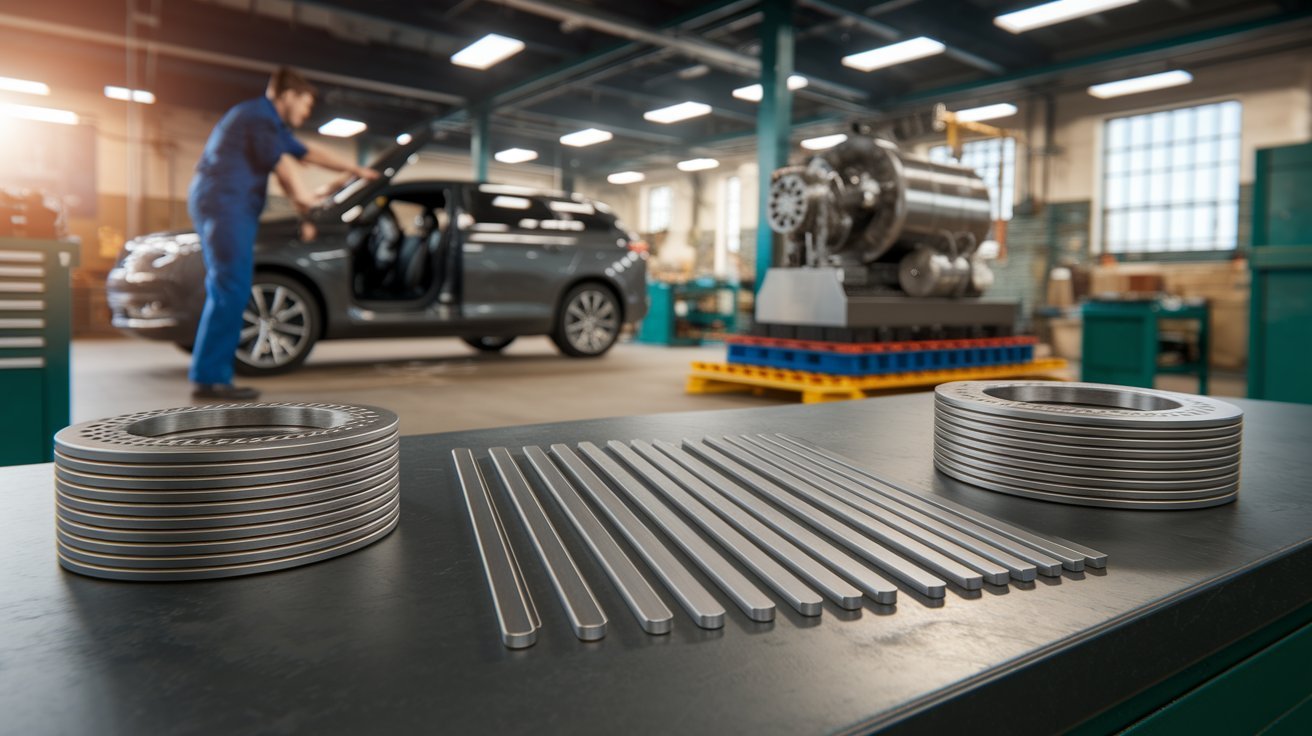
Stainless steel coils are precision-cut into thin strips through controlled slitting processes, creating consistent materials for high-quality shim manufacturing.
Process of Slitting Coils into Thin Strips
Stainless steel slitting feeds large coils through precision cutting machines with sharp circular blades positioned at exact distances.
This continuous process creates consistent strip dimensions while maintaining original thickness properties for efficient shim production.
Ensuring Uniform Thickness and Flatness
Quality control includes continuous thickness monitoring and tension control to prevent material stretching or warping.
Precision rollers maintain flatness throughout processing, while post-slitting inspection ensures exact specifications for thickness and dimensional accuracy.
Benefits for High-Quality Shim Manufacturing
Slitting coils provide superior material consistency compared to individual processing, resulting in predictable shim performance.
The continuous process reduces material waste, improves cost efficiency, and produces cleaner edges with better surface finishes for precision applications.
Benefits of Using Shims
- Enhanced performance and efficiency: Shims optimize machinery performance by ensuring precise alignment and proper spacing, reducing friction and energy loss for peak efficiency.
- Improved productivity: Accurate shimming allows equipment to operate at optimal levels, resulting in better output quality and increased productivity.
- Reduced wear and tear: Proper shimming eliminates metal-to-metal contact and uneven load distribution that causes premature component failure.
- Extended equipment lifespan: Maintaining correct clearances and alignment significantly reduces maintenance frequency and protects valuable machinery investments.
- Increased safety and reliability: Well-shimmed equipment operates predictably with reduced vibration and movement that could lead to dangerous failures.
- Safer working environments: Stable operation prevents unexpected breakdowns and ensures consistent performance for operators and maintenance personnel.
- Cost-effective alignment solutions: Shims provide economical alternatives to expensive machining or component replacement for fixing alignment problems.
- Quick and affordable repairs: Low cost and easy installation save both time and money compared to major equipment overhauls.
Conclusion
After decades of working with precision equipment, I can confidently say that shims are among the most critical yet underappreciated components in mechanical systems.
These simple pieces solve complex alignment, spacing, and stability problems that can make or break machinery performance.
Material choice matters in shim selection. I’ve seen cheap materials fail under load, causing costly equipment damage and downtime.
Through countless installations and repairs, stainless steel 301 has proven itself as the superior choice for demanding applications.
My professional recommendation is always high-quality stainless steel 301 shims for their exceptional strength, corrosion resistance, and long-term reliability.
While they may cost slightly more upfront, the investment pays dividends through reduced maintenance, extended equipment life, and consistent performance. Don’t compromise on quality when precision matters most.
Frequently Asked Questions
What exactly are shims, and what do they do?
Shims are thin, flat pieces of material used to fill gaps and achieve precise alignment between components in mechanical assemblies. They compensate for manufacturing tolerances, wear, and installation variations by providing exact spacing and eliminating unwanted movement.
What materials are commonly used to make shims?
Common shim materials include plastic, rubber, brass, aluminum, and stainless steel, each chosen for specific application requirements. Stainless steel is preferred for demanding applications due to its superior strength, corrosion resistance, and dimensional stability.
How do I know what thickness of shim I need?
Measure the gap you need to fill using feeler gauges or precision measuring tools to determine exact requirements. Start with slightly thinner shims and add layers if needed, as it’s easier to add thickness than remove material.
Can shims be reused after removal from equipment?
Shims can often be reused if they’re in good condition without deformation, corrosion, or damage from removal. Inspect each shim carefully for flatness and dimensional accuracy before reinstalling to ensure proper function.
Where are shims most commonly used in industrial applications?
Shims are extensively used for machinery leveling, bearing adjustments, and production equipment alignment in manufacturing facilities. They’re also critical in automotive applications for body panel alignment, drivetrain mounting, and belt tensioning systems.
