

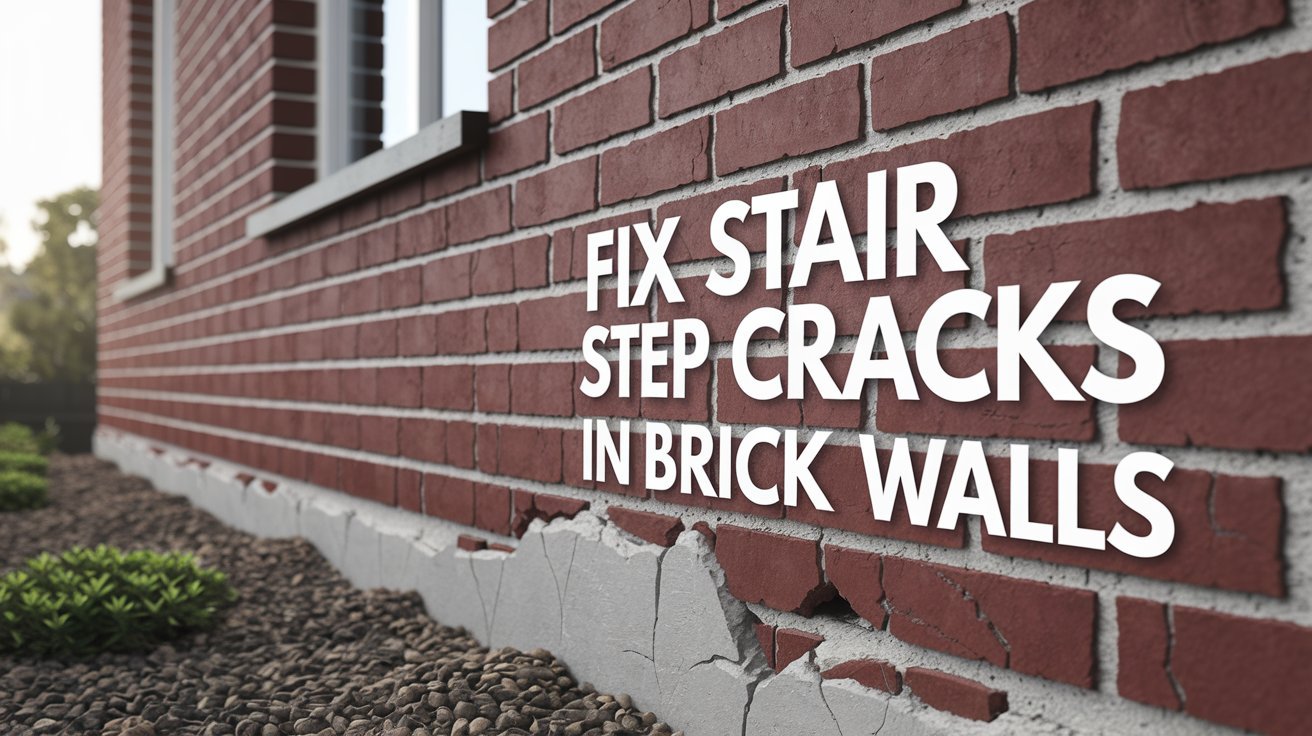
Have you noticed zigzag cracks running up your brick wall? These stair-step cracks aren’t just cosmetic issues. They can signal serious structural problems that need your attention.
I’ve seen homeowners ignore these warning signs for years. Big mistake. What starts as a minor crack can become a major repair bill.
These cracks follow a step-like pattern along mortar joints. They often appear near corners, windows, or doors. Sometimes they’re narrow hairline fractures. Other times, they’re wide enough to stick your finger in.
This article will teach you everything about stair-step cracks. You’ll learn how to spot them early. I’ll explain what causes them and when to worry. Most importantly, you’ll know how to fix them before they get worse..
Don’t wait until your wall starts leaning. Let’s get started.
What Are Stair Step Cracks in Brick Walls?
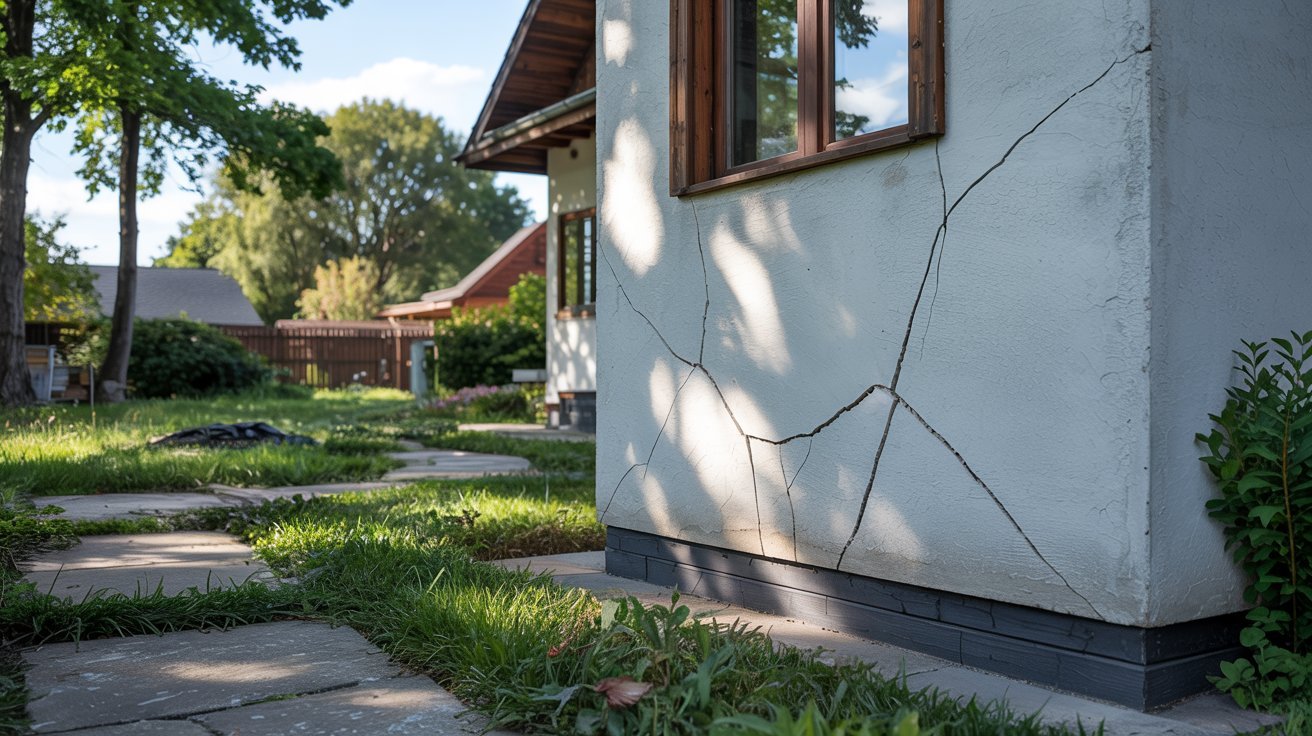
Stair-step cracks are exactly what they sound like. They zigzag up brick walls in a step pattern.
These cracks don’t break through the bricks themselves. Instead, they follow the mortar joints between bricks. The pattern looks like stairs going up your wall.
You’ll typically find them in these spots:
- Near building corners
- Around windows and doors
- At wall intersections
- Where additions meet original structures
The cracks can be tiny hairlines or wide gaps. Some are surface-deep. Others go all the way through the wall.
Think of mortar as the glue holding your bricks together. When that glue fails, cracks appear. The step pattern happens because mortar joints are the weakest points in a brick wall.
Fresh cracks often start small. They grow over time if you don’t address the underlying problem.
Common Causes of Stair Step Cracks
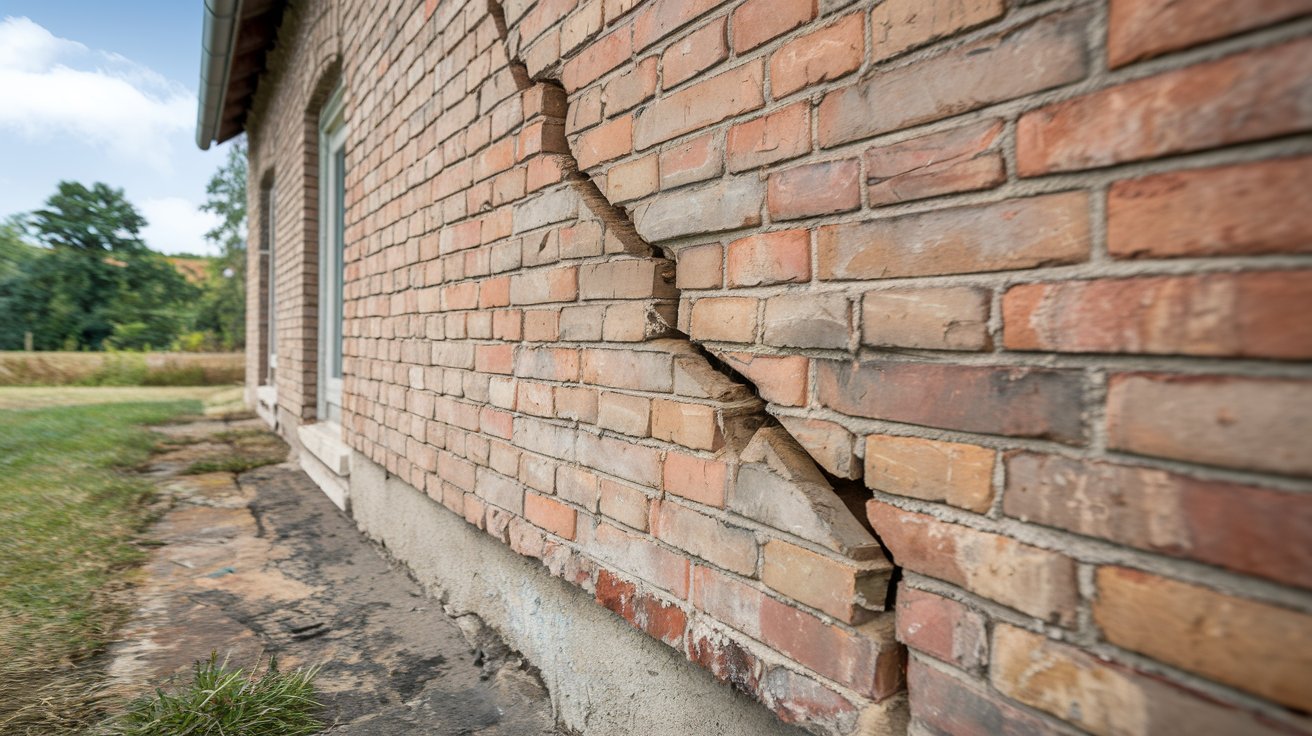
Several factors can cause these frustrating cracks. Let me break down the main culprits.
Foundation Settlement
Your house sits on soil. When that soil shifts or compresses, your foundation moves. Even small movements create stress on the brick walls above.
This is the most common cause I see. New construction often experiences some settling in the first few years.
Clay Soil Problems
Clay soil expands when wet and shrinks when dry. This constant movement puts pressure on your foundation walls.
During dry spells, clay pulls away from your foundation. When it rains, the soil swells back up. This cycle repeats endlessly.
Water Issues
Poor drainage around your house causes multiple problems. Water saturates the soil near your foundation. This makes clay soil expand and puts pressure on walls.
Standing water also weakens the soil supporting your foundation. The result? Uneven settling and cracked walls.
Tree Roots and Plumbing Leaks
Large trees near your house have extensive root systems. These roots can disturb the soil and even damage foundation walls.
Underground plumbing leaks create similar problems. Water from leaky pipes softens soil and causes settling.
Structural Load Issues
Sometimes the problem is poor original construction. Inadequate footings or improper load distribution can cause walls to crack over time.
Adding weight to your house without proper structural support also creates problems.
How to Assess the Severity

Not all stair-step cracks are emergencies. But some are. Here’s how to tell the difference.
Measuring Crack Width
Start by measuring how wide your cracks are:
- Hairline to 1/8 inch: Usually minor
- 1/8 to 1/4 inch: Moderate concern
- Over 1/4 inch: Serious problem
Use a ruler or coin for reference. A dime is about 1/16 inch thick. A nickel is roughly 1/12 inch.
Check Crack Depth
Surface cracks only affect the outer mortar. Structural cracks go deeper.
Shine a flashlight along the crack. Can you see daylight through it? That’s a through-wall crack and a bigger problem.
Look for These Warning Signs
Some symptoms mean you need professional help immediately:
- Cracks that grow wider over time
- New cracks appear regularly
- Doors or windows that stick
- Walls that bow outward or lean
- Water is coming through cracks
- Gaps between the walls and the ceiling
Monitor Changes
Take photos of your cracks every few months. Mark the ends with a pencil and date them. This helps you track whether they’re growing.
If cracks expand quickly, call a structural engineer. Slow changes over the years are less concerning than rapid growth over weeks.
When to Call Professionals
Contact a structural engineer if:
- Cracks are over 1/4 inch wide
- Multiple new cracks appear suddenly
- You notice other structural symptoms
- You’re unsure about the severity
Don’t guess with structural issues. The inspection cost is much less than major repairs later.
How to Fix Stair Step Cracks in Brick Walls
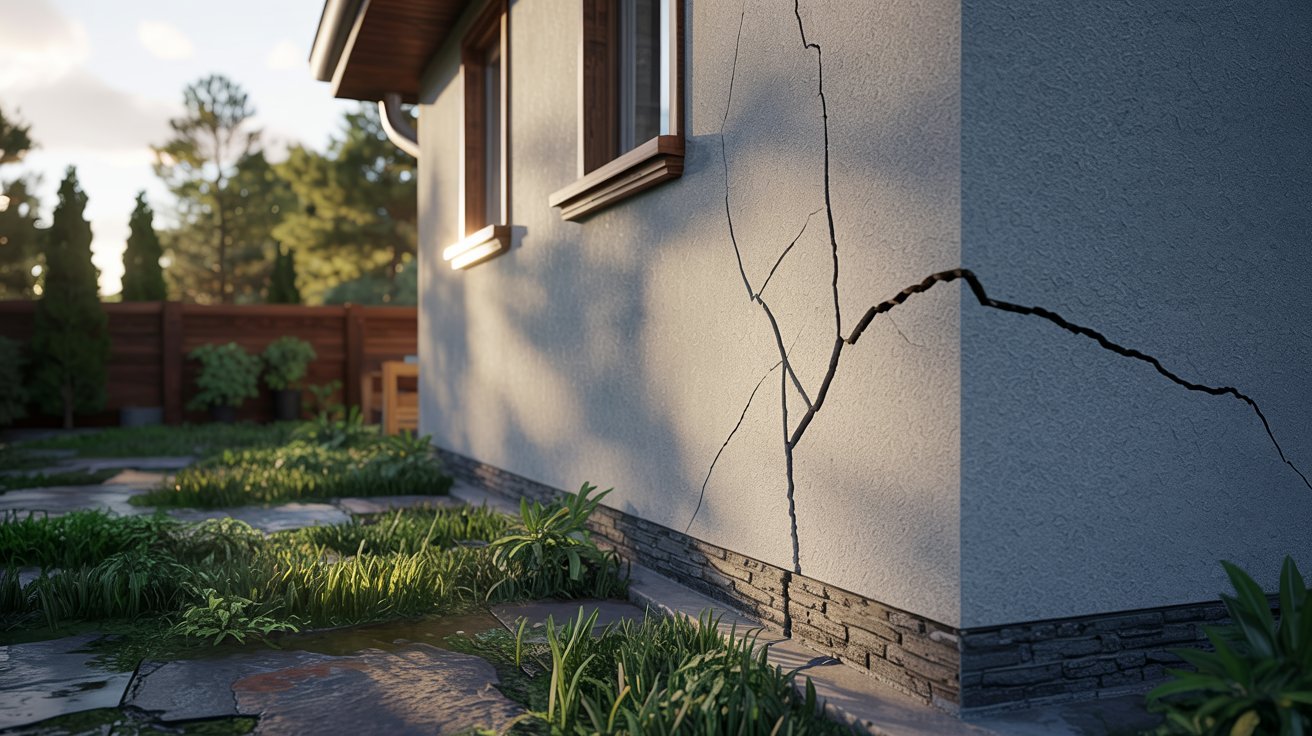
The repair method depends on crack severity. Minor surface cracks are DIY-friendly. Major structural cracks need professional help.
Minor Cracks
Small cracks under 1/8 inch wide can often be fixed yourself.
Clean the Crack: Remove all loose mortar and debris from the crack. Use a wire brush or small chisel. Blow out dust with compressed air or a shop vacuum.
Prepare New Mortar: Buy mortar that matches your existing color and type. Mix according to package directions. The consistency should be like thick peanut butter.
Repoint the Joints: Press new mortar into the crack using a pointing trowel. Work from bottom to top. Pack it tightly to eliminate air pockets. Smooth the surface to match the surrounding mortar joints.
Apply Crack Sealant: For very small cracks, masonry crack sealant works well. Clean the crack first, then apply sealant with a caulk gun.
Choose a product that matches your mortar color. Smooth with your finger for a clean finish.
Serious Cracks
Wide cracks or structural issues require professional intervention.
Foundation Repair:
- Helical piers driven deep into stable soil
- Steel push piers for heavy loads
- Slab jacking to raise sunken foundations
Wall Reinforcement:
- Steel reinforcing bars installed in new mortar joints
- Carbon fiber strips bonded to wall surfaces
- Complete reconstruction of damaged sections
Drainage Improvements:
- French drains around the foundation
- Better grading to direct water away
- Waterproof coatings on foundation walls
Get Multiple Quotes: Structural repairs are expensive. Get quotes from at least three contractors. Make sure they’re licensed and insured.
Ask for references from recent similar jobs. Good contractors will gladly provide them.
How to Prevent Future Stair Step Cracks
Prevention is always cheaper than repair. These simple steps can save you thousands in future repairs:
- Maintain proper grading so water flows away from your house
- Keep gutters and downspouts clean and functional
- Extend downspouts at least 6 feet from the foundation
- Avoid planting large trees within 20 feet of your house
- Fix plumbing leaks promptly, especially underground pipes
- Install proper drainage if you have clay soil
- Check for standing water after heavy rains
Conclusion
Stair-step cracks in brick walls are serious warning signs. They tell you something is wrong with your foundation or the soil beneath it.
I’ve seen too many homeowners ignore these cracks until their problems become expensive disasters. Don’t make that mistake.
Start by assessing your cracks carefully. Measure them and watch for changes. Small surface cracks can often be repaired yourself with basic tools and materials.
But don’t take chances with structural issues. When in doubt, call a professional. The inspection fee is nothing compared to major foundation repairs.
Remember that fixing the crack is only half the battle. You must also address the underlying cause. Otherwise, new cracks will keep appearing.
Take action now while repairs are still manageable. Your house and your wallet will thank you later.
Frequently Asked Questions
How fast do stair-step cracks grow?
Growth speed varies greatly. Some cracks develop over the years, while others appear quickly during soil movement. Monitor monthly and call professionals if you see rapid changes.
Can I just paint over small cracks?
Paint won’t fix the underlying problem, and cracks will reappear. Always repair the mortar joint properly before painting. Otherwise, you’re just hiding the issue temporarily.
Are stair-step cracks always structural problems?
Not always, but they often indicate foundation or soil issues. Even small cracks can let water in, causing bigger problems later. It’s better to investigate than ignore them.
How much do professional repairs typically cost?
Costs vary widely based on severity. Simple repointing might cost a few hundred dollars. Major foundation repairs can run $5,000 to $15,000 or more. Get multiple quotes.
Should I be worried about one small crack?
One hairline crack isn’t necessarily alarming, but monitor it closely. Take photos and measure it monthly. If it grows or new cracks appear, investigate the cause immediately.
