


Is your home sitting atop a pier and beam foundation if it develops some troubling issues? Maybe you have noticed that floors are sagging and doors will not close properly, or gaps appear around windows.
I’ve worked alongside countless homeowners facing these exact problems as I understand the way concerning it can feel when your foundation isn’t stable.
Repairing pier and beam foundations proves simpler than repairing many foundations. That fact is as good news.
This guide covers just how it is that the leveling process works, what you can expect whenever making repairs, all of the involved costs, and some signs indicating your home needs attention.
Do you want to get your home stable again?
Understanding Pier and Beam Foundations
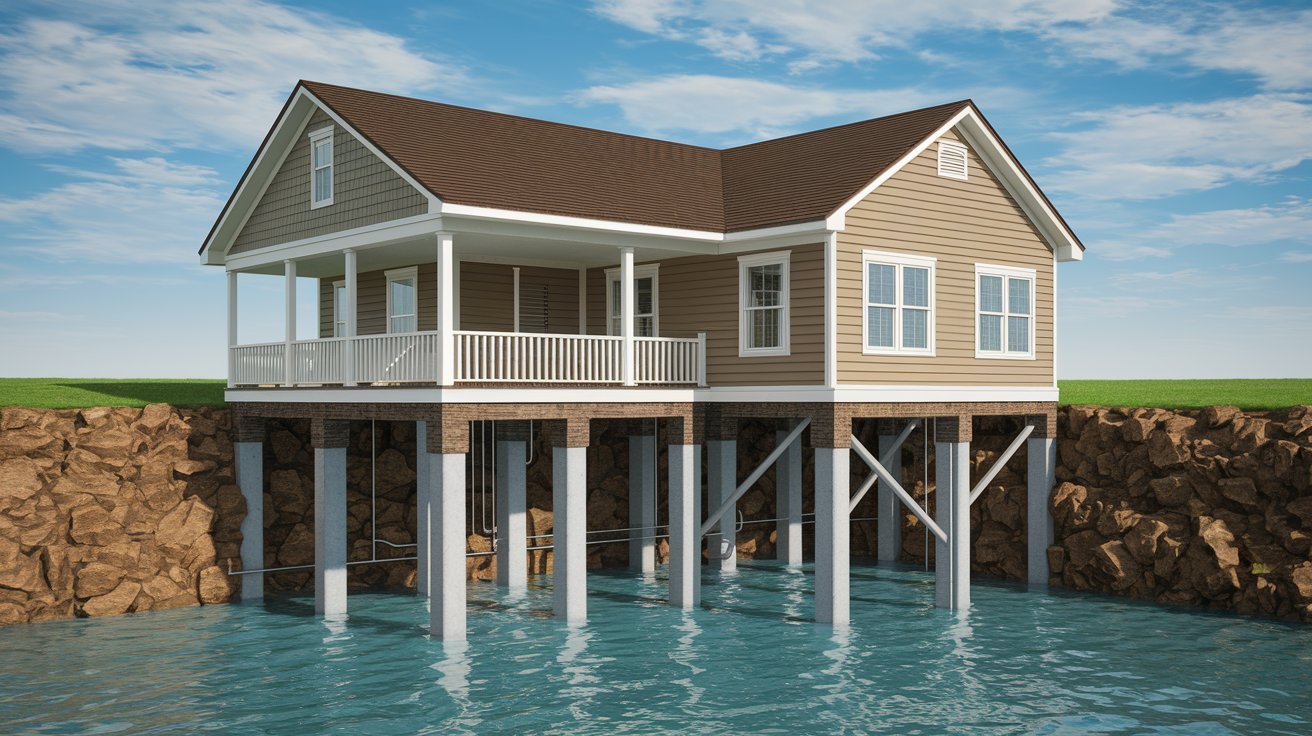
What Is a Pier and Beam Foundation?
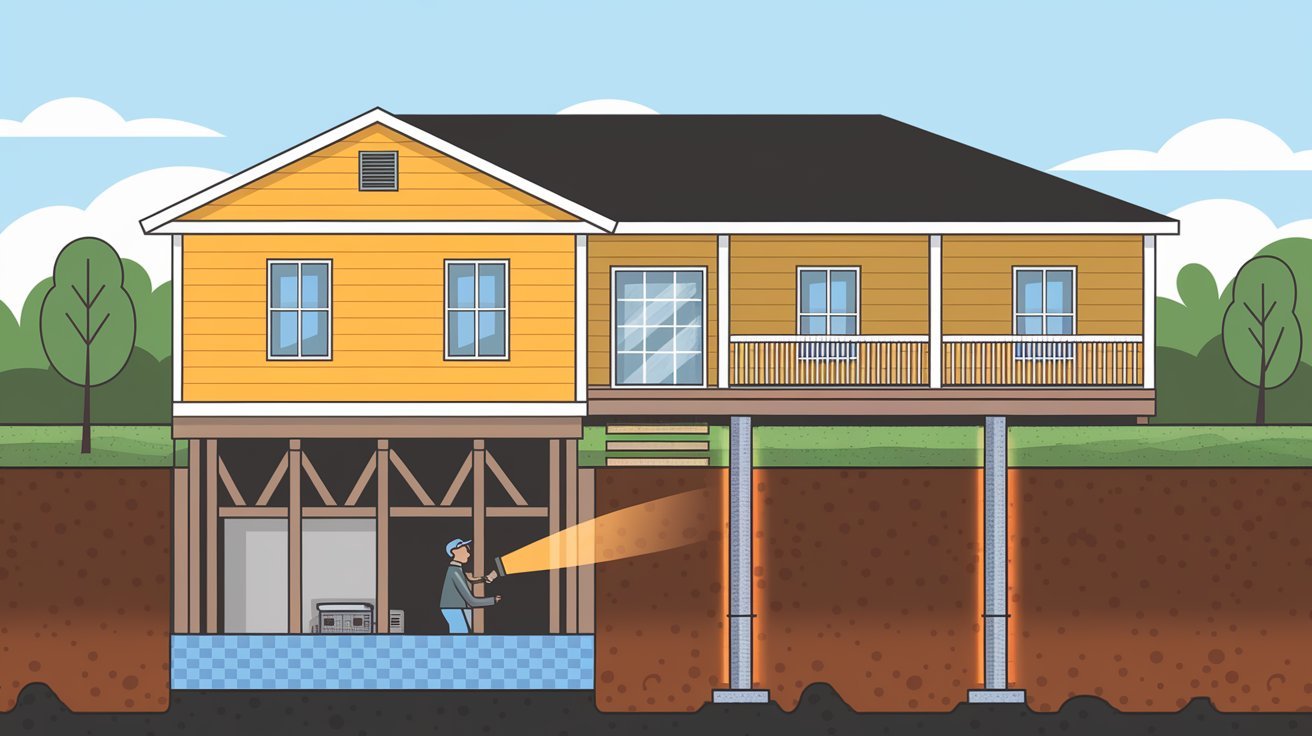
This foundation uses concrete or stone piers to support horizontal wooden beams, creating a crawl space beneath your home. The design lifts your living areas 18 to 24 inches above ground level.
You’ll find these foundations in flood-prone areas and regions with expansive clay soil. The raised structure protects homes from water damage while accommodating soil movement.
Benefits of Pier and Beam Construction
- The crawl space provides easy access to plumbing, electrical, and HVAC systems, making repairs simpler and more affordable.
- This design naturally resists moisture since your home sits above ground.
- Air circulation beneath prevents humidity buildup and mold growth.
- The ventilation also improves energy efficiency by helping regulate temperature and reducing strain on heating and cooling systems.
Why Foundation Leveling Matters
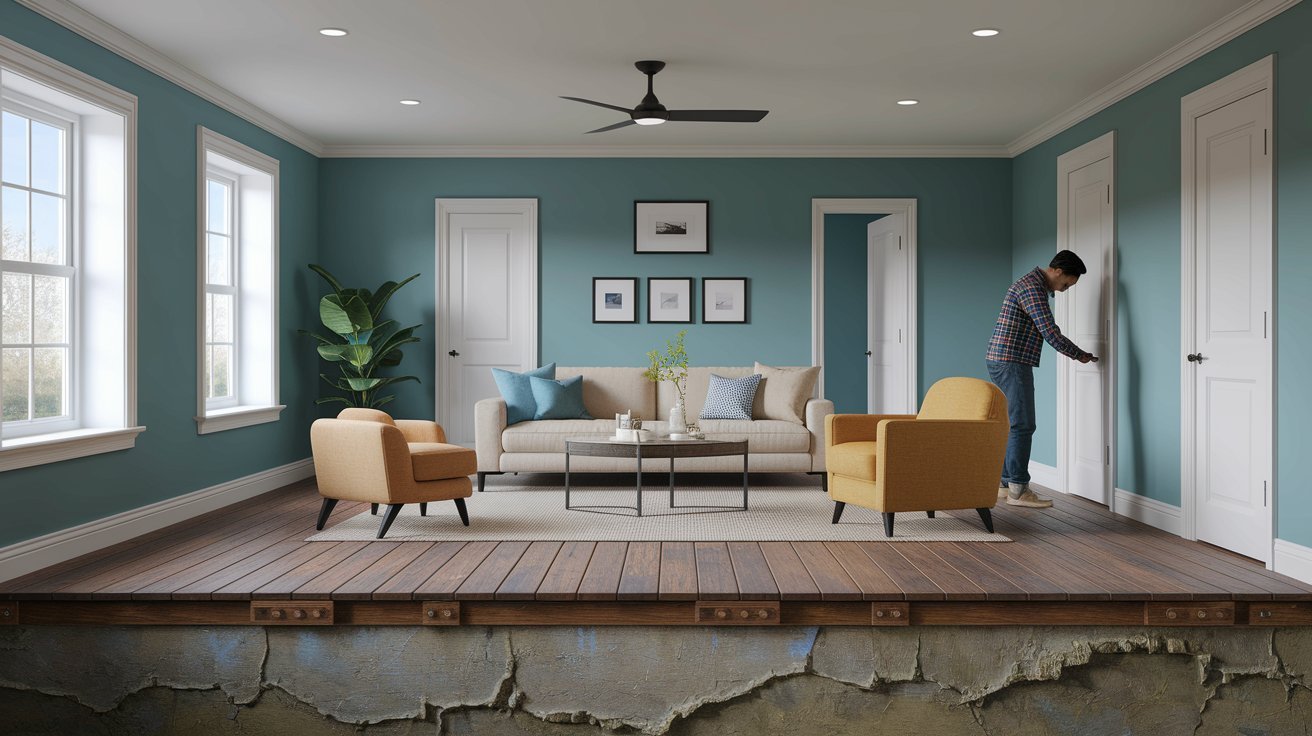
Signs Your Foundation Is Unlevel
- Sagging or uneven floors: Noticeable dips or slopes when walking through rooms, marbles rolling to one side, or furniture rocking on seemingly flat surfaces.
- Cracked walls and ceilings: Hairline fractures that gradually widen over time, typically appearing near doorways, windows, or corners where stress concentrates.
- Sticking doors and windows: Previously smooth-operating doors and windows now require extra force or won’t latch correctly due to frame shifting.
- Crawl space moisture or mold: moisture or mold growth indicates poor drainage or ventilation issues related to foundation settlement.
Risks of Ignoring Foundation Issues
- Structural instability: Problems worsen gradually, affecting load-bearing components and compromising your home’s overall safety.
- Higher long-term repair costs: Small issues compound into major failures; repairs costing thousands today could require tens of thousands later.
- Reduced property value: Potential buyers often avoid homes with structural issues, and willing buyers typically demand substantial price reductions.
Proven Methods for Leveling Pier and Beam Foundations
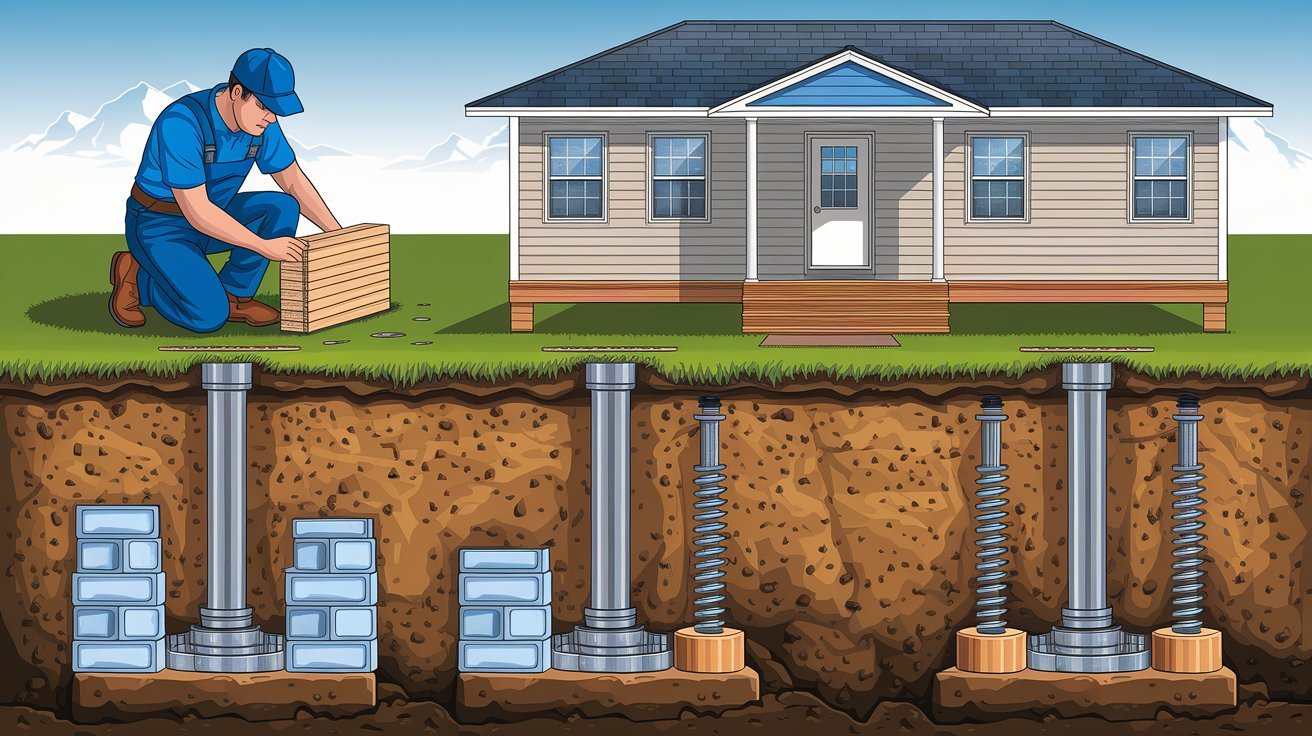
Reshimming
Reshimming adjusts or replaces wooden or steel shims between piers and beams to fix minor level issues.
This maintenance solution works when piers remain solid but slight settling has occurred. It’s cost-effective for small adjustments but won’t fix failing piers or major soil problems.
Adding or Replacing Pier Blocks
When piers show cracking or inadequate support, contractors install new piers or replace damaged ones. New pier blocks distribute weight more evenly, restoring structural integrity and preventing future settling in problem areas.
Underpinning with Push or Helical Piers
Push piers use hydraulic pressure to drive steel tubes into stable soil, while helical piers anchor with screw-like extensions. Both transfer your home’s weight to stable ground below surface problems.
This method provides permanent stabilization and can lift settled sections back to their original position.
Best Practices in Pier Spacing
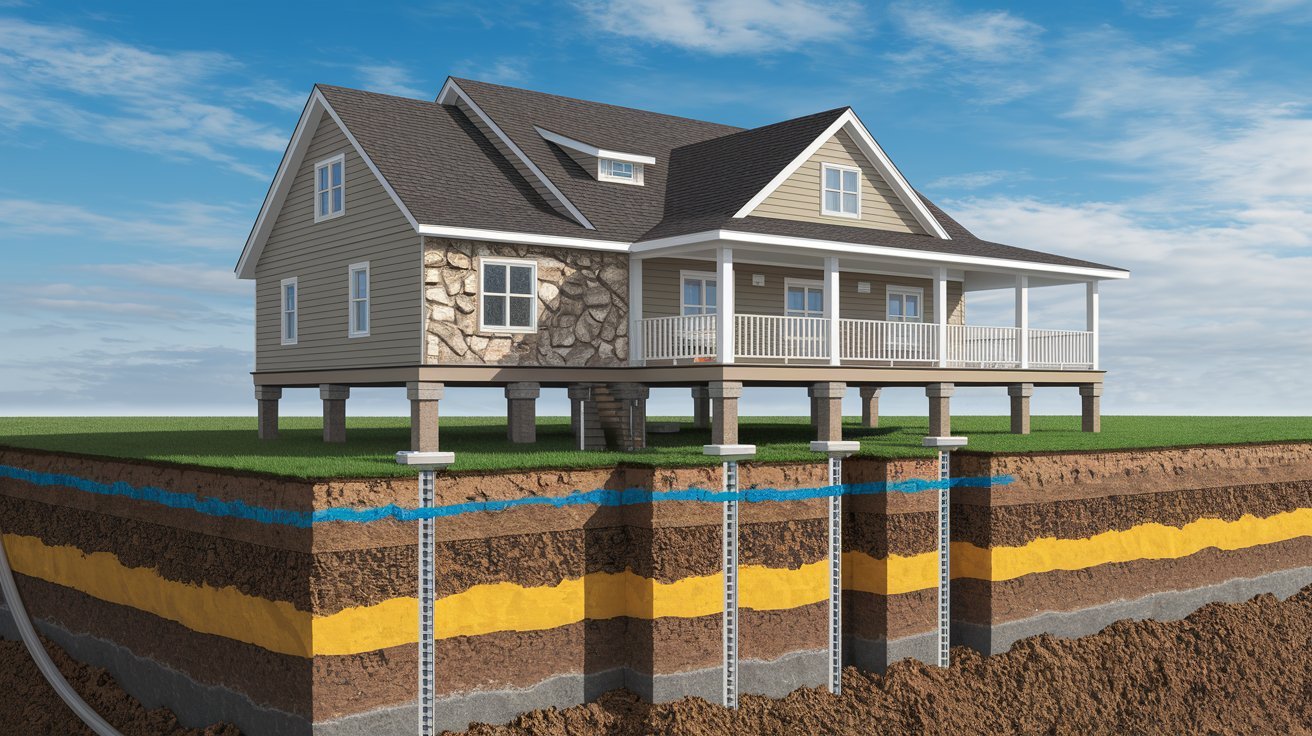
Typical Spacing Guidelines
Standard residential homes typically require piers spaced 8 to 10 feet apart, though this varies based on several factors.
Heavy-load structures like multi-story homes or buildings with stone exteriors need closer spacing, often 6 to 8 feet between supports, to handle the additional weight safely.
Beam size also affects spacing requirements – larger, stronger beams can span greater distances between supports, while smaller beams need more frequent pier placement to prevent sagging.
Importance of Following Local Building Codes
Local building codes establish minimum requirements for pier spacing based on regional soil conditions, climate factors, and safety standards.
These regulations protect homeowners by ensuring foundations can withstand local environmental challenges like freeze-thaw cycles, soil movement, or seismic activity.
Non-compliant spacing can void insurance coverage and create problems during home sales or inspections.
Improving Home Value Through Foundation Repairs

Functional Benefits
- Smoother floors and aligned doors/windows: Foundation leveling creates level, stable floors that eliminate bounce or sag, while doors and windows operate smoothly without sticking.
- Dry, usable crawl space: Resolved moisture issues provide a valuable storage area for seasonal items and easier maintenance access without mold or water damage concerns.
- Improved energy efficiency: Properly aligned windows and doors seal better, reducing air leaks that increase heating and cooling costs throughout the year.
Financial and Market Advantages
- Better home appraisal: Professional foundation repairs directly impact property value, with appraisers recognizing solid structural work as a major asset that often increases valuations by thousands.
- More attractive to buyers: Documented foundation work eliminates buyer concerns about structural problems, helping homes sell faster than comparable properties with unaddressed issues.
- Lower insurance premium: Many insurance companies offer reduced rates for homes with recent foundation repairs, recognizing the decreased risk of future claims.
Maintenance Tips After Leveling
Regular Inspections
Schedule annual inspections to monitor your foundation’s condition and catch problems early. Check for signs of shifting by looking for new cracks in walls, sticking doors, or uneven floors that weren’t present after the initial repair work.
Examine wooden beams and supports for signs of rot, especially in areas where moisture might collect. Look for soft spots, discoloration, or insect damage that could weaken structural components.
Pay attention to moisture levels in your crawl space, as excess humidity can lead to mold growth and wood decay over time.
Moisture Control
Proper drainage around your home prevents water from pooling near the foundation. Install gutters with downspouts that direct water at least six feet away from your house.
Grade the soil so it slopes away from your foundation, allowing rainwater to flow naturally away from the structure.
Consider installing vapor barriers in your crawl space to reduce ground moisture from entering the area. These plastic sheets cover the crawl space floor and help maintain dry conditions year-round.
Adequate ventilation also helps control humidity levels, preventing condensation that can damage wooden components and create ideal conditions for mold growth.
When to Call the Pros
DIY vs. Professional Help
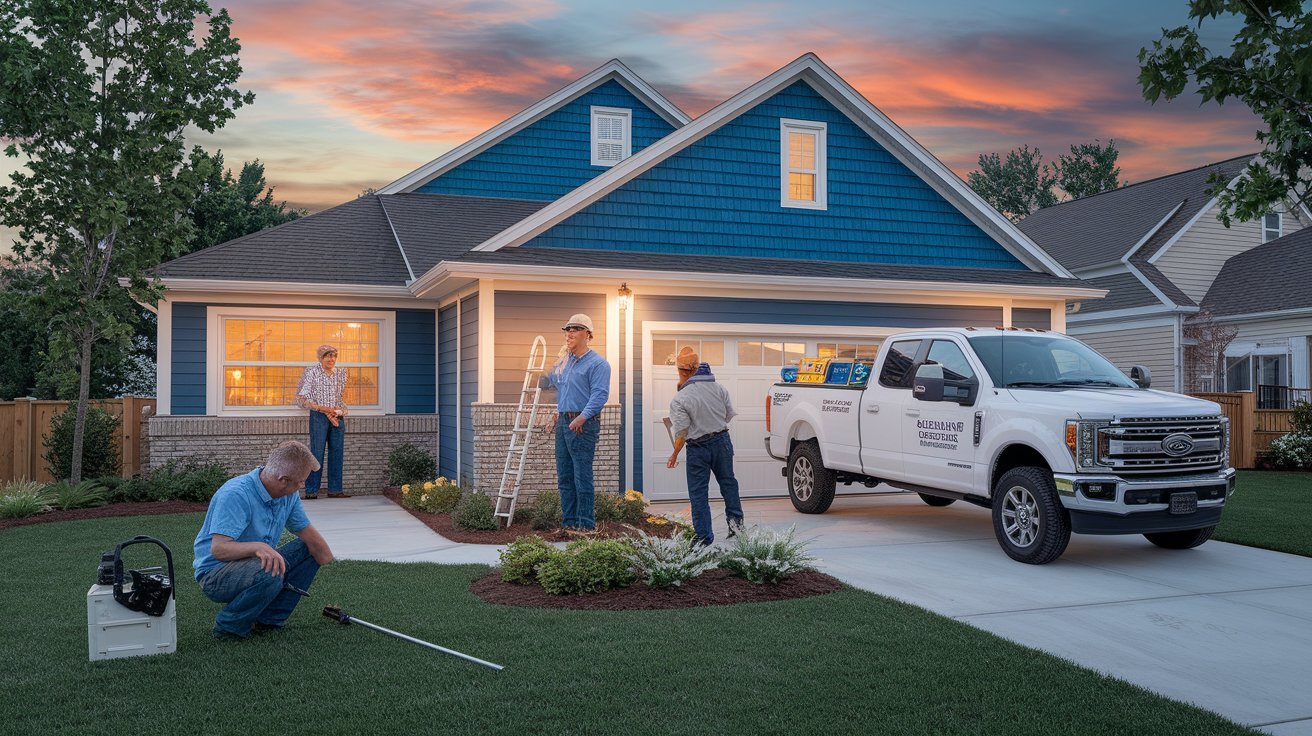
Homeowners can handle basic maintenance like checking for visible cracks, monitoring door alignment, and keeping crawl spaces clean. Those with construction experience might manage minor shimming for small gaps.
Call professionals for serious issues like significant floor sagging, large wall cracks, or multiple sticking doors and windows.
For extensive damage, ongoing settlement, or failed previous repairs, involve structural engineers who can provide comprehensive evaluations and design appropriate solutions.
Choosing a Reputable Contractor
Select contractors with at least 10 years of foundation repair experience and positive local references. Verify they offer comprehensive warranties and hold proper licensing and insurance for your area.
Choose specialists familiar with local soil conditions, building codes, and climate challenges. Contractors who understand your area’s clay soil, freeze-thaw cycles, or drainage patterns will provide more effective, lasting solutions than those without regional knowledge.
Conclusion
After years of helping homeowners to restore their foundations, pier and beam foundation leveling is one of the smartest investments that you can make in your home.
I have watched families worry about structural damage as well as then feel completely secure again, often while spending a fraction of what it is they expected.
Swift action is vital when issues come up. Usually, issues get worse also to become more expensive to fix. Simple leveling jobs have turned into major overhauls.
Homeowners waited too much time so that was just why.
Action is something you should take, so fear should not keep you away from it. Contact a qualified foundation specialist today. The specialist will have to provide an assessment that is honest assessment.
Frequently Asked Questions
How long does pier and beam foundation leveling take?
Most pier and beam leveling projects take 1-3 days, depending on the extent of damage and the repair method used. Simple reshimming can be completed in a single day, while extensive underpinning with new piers may require several days.
What are the signs that my pier and beam foundation needs leveling?
Common signs include sagging or uneven floors, doors and windows that stick or won’t close properly, and visible cracks in walls or ceilings. You may also notice gaps between walls and floors or moisture problems in your crawl space.
How much does pier and beam foundation leveling cost?
Costs typically range from $1,500 for minor shimming to $15,000 or more for extensive underpinning work. The final price depends on your home’s size, the severity of damage, and the repair method required.
Can I level my pier and beam foundation myself?
Minor shimming adjustments might be possible for experienced DIYers, but most foundation work requires professional expertise. Structural repairs involve safety risks and require proper tools, materials, and knowledge of local building codes.
How often should I inspect my pier and beam foundation?
Schedule professional inspections annually and perform visual checks yourself every few months. Look for new cracks, sticking doors, or moisture issues that could indicate foundation movement or deterioration.
