


Have you ever walked past a building and felt instantly drawn to its clean lines and innovative design? That striking structure probably represents contemporary architecture, a style that’s reshaping our cities and homes right now.
I’ve spent years studying how this architectural movement influences the spaces we live and work in every day.
Contemporary architecture isn’t just about creating beautiful buildings. It’s about responding to our current needs, embracing new technologies, and creating spaces that truly work for modern life.
From sustainable materials to open floor plans that adapt to how we actually live today, this style reflects who we are as a society.
Ready to understand what makes contemporary architecture so compelling and how it might inspire your own space? Let’s examine this fascinating world together.
Understanding Contemporary Architecture
Definition and Meaning
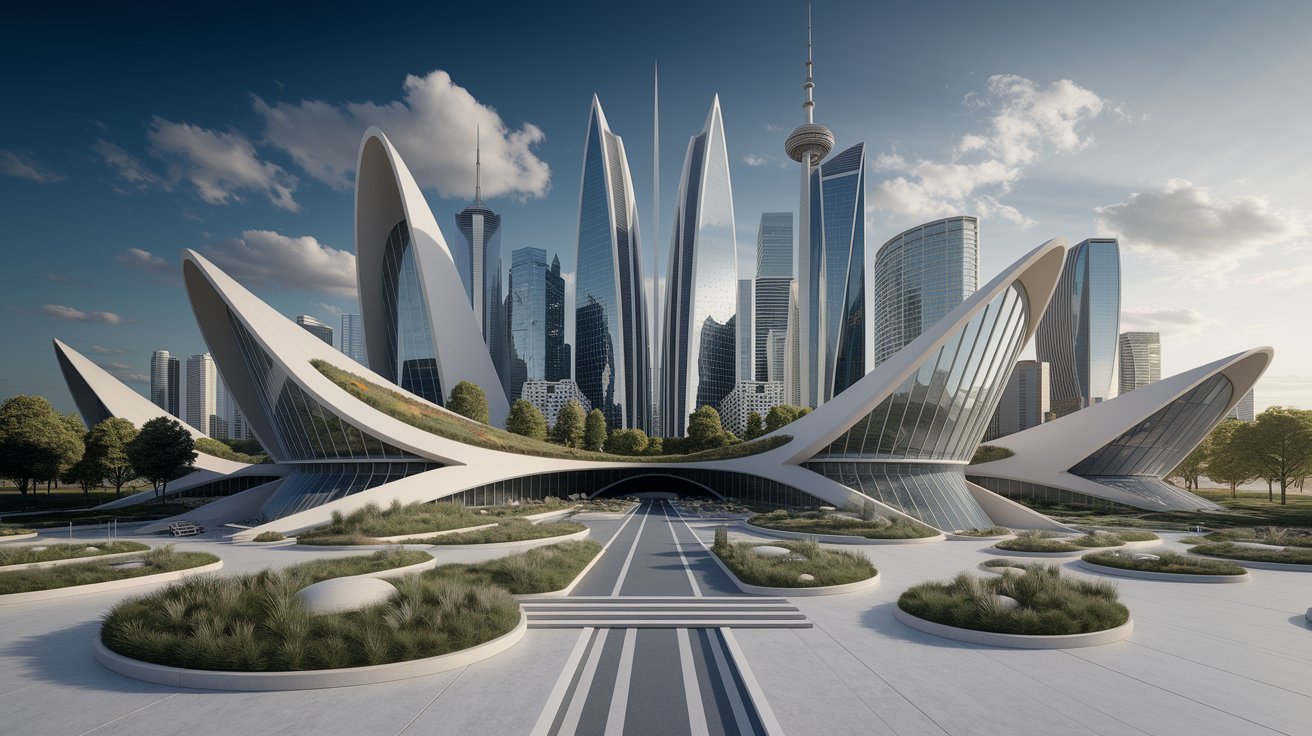
Contemporary architecture often gets confused with modern architecture, but they’re distinct. Modern architecture was a specific movement from the early 1900s to 1960s, focusing on clean lines and “form follows function.”
Contemporary architecture represents current building design trends, refusing to follow one rigid style. Instead, it reflects today’s technologies, cultural shifts, and local contexts while giving architects freedom to experiment and blend different influences.
Brief Historical Context
Contemporary architecture emerged in the late 20th century, fueled by post-WWII globalization and technological advances. As the world became more connected, architects gained access to new materials and communication technologies.
This period marked a shift from strict geometric rules to creative freedom, allowing buildings to express local culture while incorporating global innovations. The movement represents a transition from rigid forms to flexible, expressive designs that respond to current needs.
Key Characteristics of Contemporary Architecture
1. Innovation and Experimentation
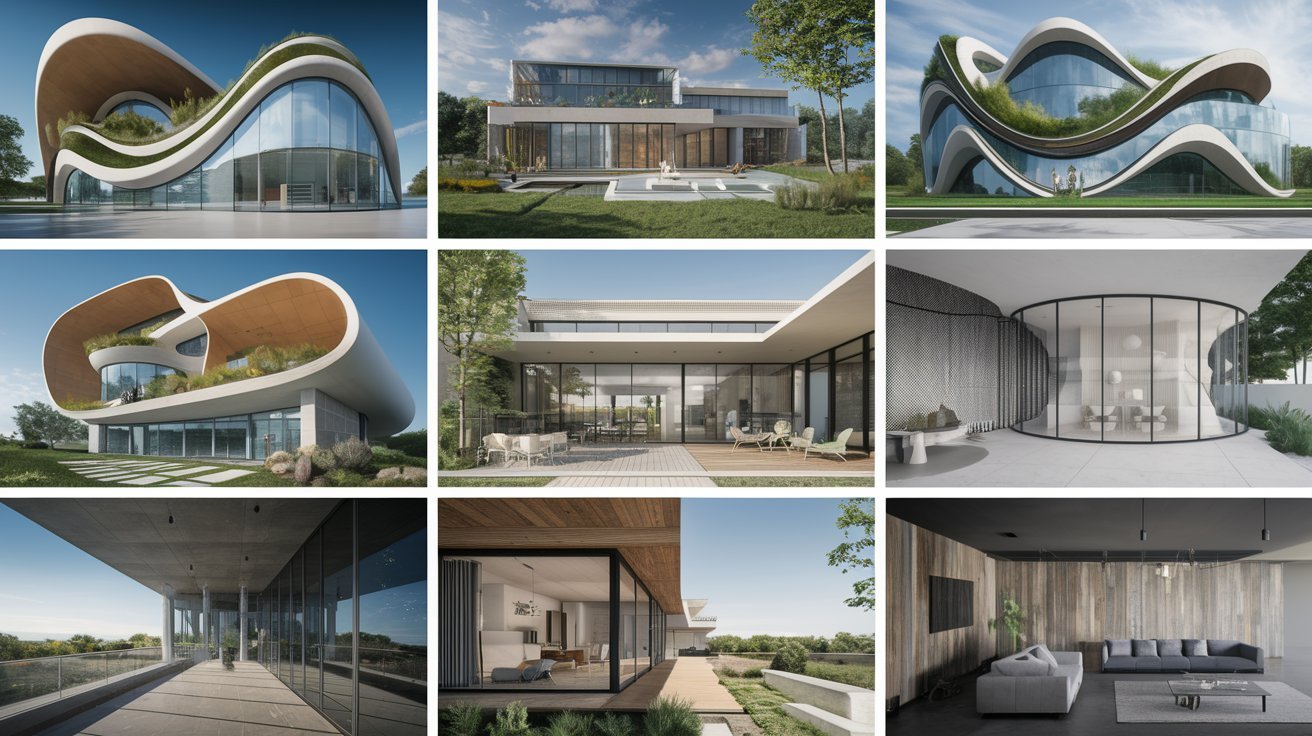
Today’s architects create buildings with unconventional forms and sculptural shapes, free from traditional design rules. This allows structures to curve, twist, and bend in creative ways while remaining functional.
2. Sustainable and Eco-Friendly Design
Environmental responsibility drives contemporary design through green roofs, living walls, energy-efficient materials, and passive solar systems. Water-saving technologies and eco-friendly features reduce environmental impact.
3. Integration with Nature
Buildings blur indoor-outdoor boundaries through large windows, open patios, and natural lighting. This connection creates healthier, more pleasant living environments.
4. Minimalism and Open Floor Plans
Clean lines and uncluttered spaces define contemporary interiors. Open layouts provide flexibility and adaptability while creating spacious, functional environments.
5. Use of Modern Technology
Advanced tools like BIM and 3D printing enable precise design. Smart home systems, accessibility features, and safety technologies integrate seamlessly into buildings.
6. Unique and Natural Materials
Architects combine traditional materials like concrete, steel, and glass with reclaimed wood and recycled components. Unconventional surface treatments create fresh, innovative textures.
Famous Architects Who Shaped Contemporary Design
Frank Gehry
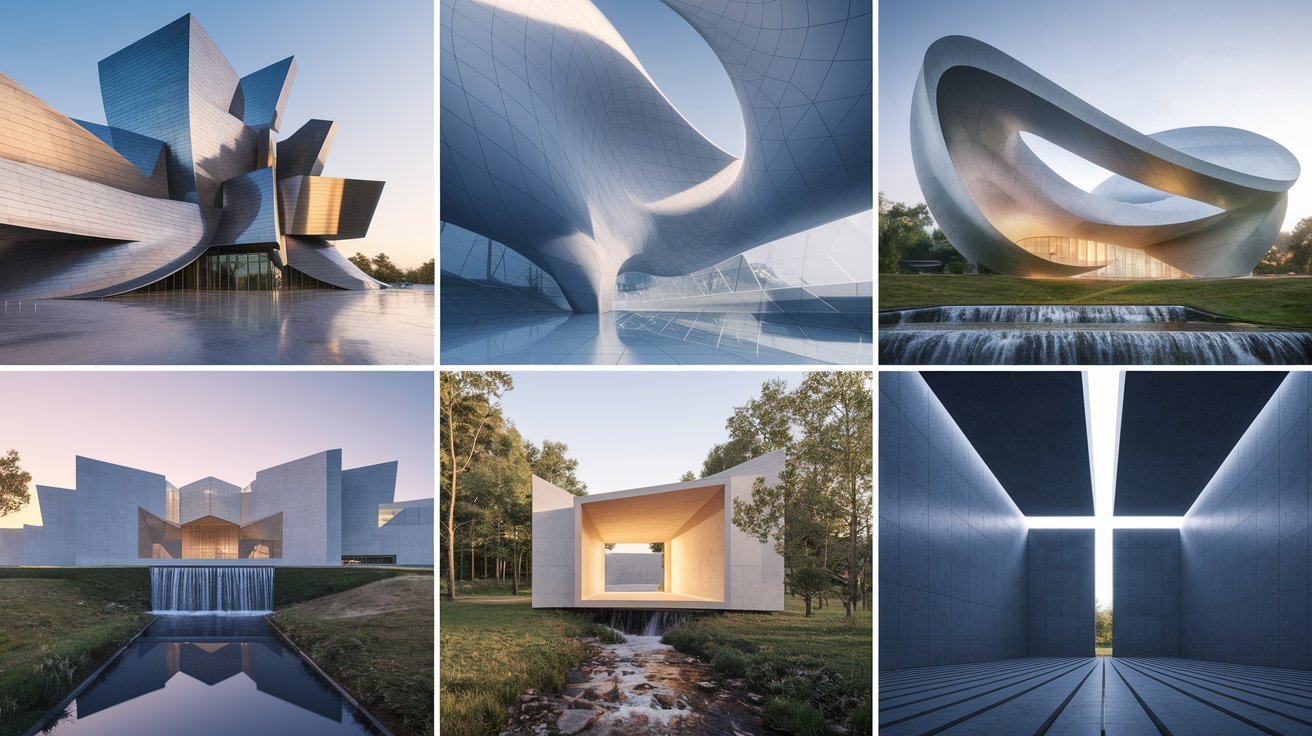
Known for bold, sculptural buildings that resemble works of art, Gehry revolutionized architectural form. His Guggenheim Museum in Bilbao features flowing titanium curves, proving buildings can be both functional and expressive.
Zaha Hadid
The first woman to win the Pritzker Architecture Prize, Hadid created fluid, futuristic designs that defied gravity. Her Heydar Aliyev Center flows like liquid with no sharp corners, creating otherworldly yet natural spaces.
Frank Lloyd Wright
A pioneer of organic architecture, Wright believed buildings should harmonize with their surroundings. His masterpiece Fallingwater sits over a waterfall, demonstrating how structures can become part of the landscape.
Tadao Ando
This self-taught Japanese architect masters simplicity, using raw concrete to create serene spaces. His Church of the Light features a cross-shaped opening that transforms sunlight into a spiritual experience through minimal design.
Iconic Examples of Contemporary Architecture
The Guggenheim Museum : Bilbao, Spain
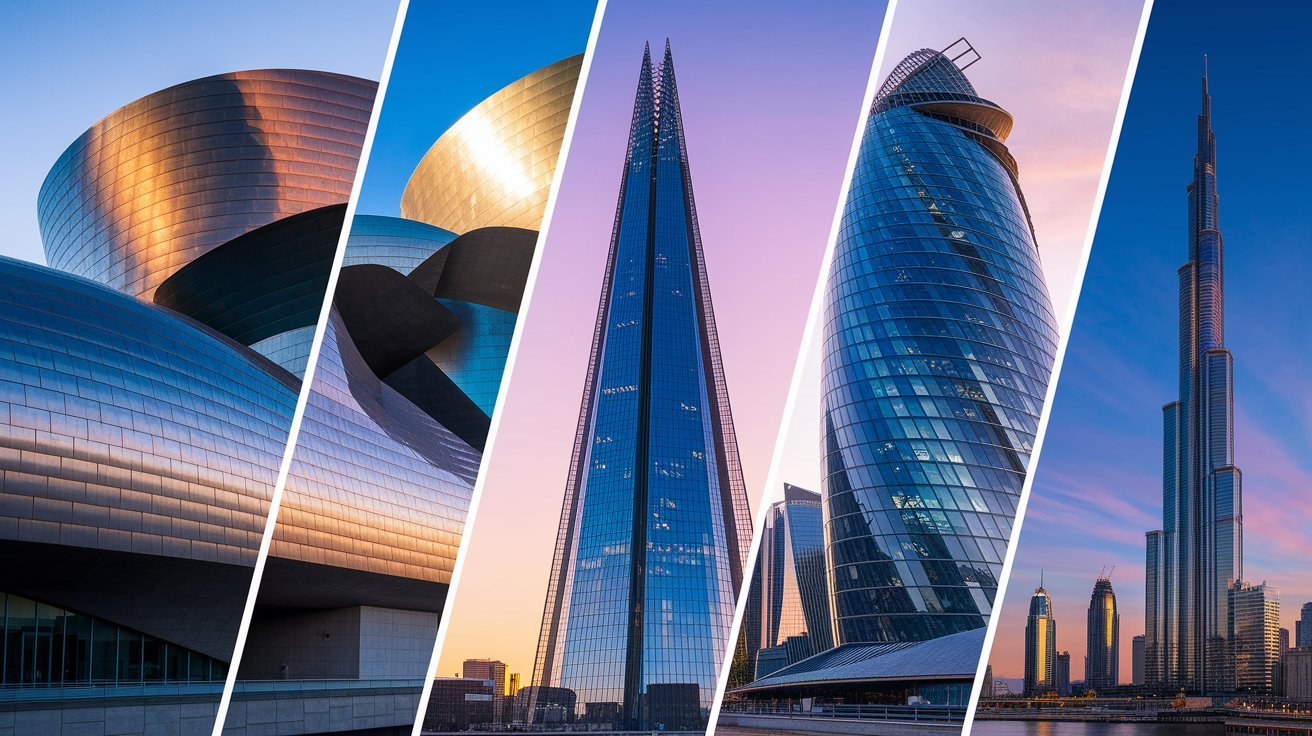
Frank Gehry’s masterpiece transformed Bilbao from an industrial city into a cultural destination. The museum’s flowing titanium exterior catches light differently throughout the day, proving how bold architecture can revitalize entire cities.
The Shard :London, UK
This 310-meter glass-clad skyscraper redefined London’s historic skyline in 2012. Its pyramid-like form reflects changing weather and sky, housing offices, restaurants, hotels, and observation decks in one dynamic structure.
Leeza SOHO :Beijing, China
Designed by Zaha Hadid Architects, this twisting skyscraper rotates 45 degrees from base to top. The sculptural form challenges traditional tower design and demonstrates how contemporary architecture pushes engineering boundaries.
Burj Khalifa : Dubai, UAE
At 828 meters, the world’s tallest building represents modern engineering achievement. Its sleek design combines Islamic architectural inspiration with cutting-edge technology, becoming a global symbol of ambition and progress.
Why You Should Care About Contemporary Architecture
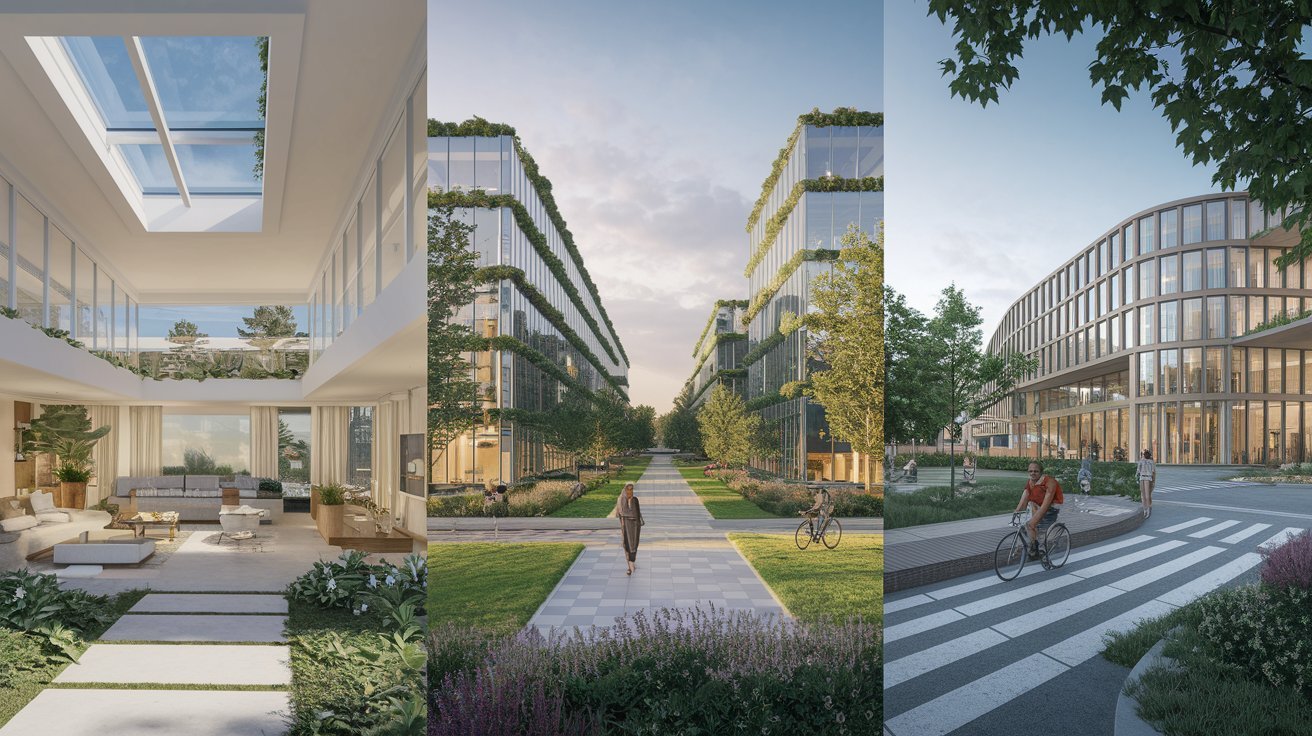
Impact on Daily Life
Contemporary architecture directly influences how we experience our everyday lives. The buildings where we work affect our productivity and well-being, while our homes shape how we relax and connect with family.
Public spaces like parks, libraries, and shopping centers determine how we interact with our communities. Good design can make us feel energized and inspired, while poor design can leave us feeling stressed or disconnected.
Environmental and Social Influence
Today’s buildings play a crucial role in sustainable development by reducing energy consumption and minimizing environmental impact. Green building practices help combat climate change while creating healthier indoor environments.
Contemporary architecture also focuses on creating inclusive spaces that work for people of all ages and abilities, while smart urban planning connects communities through walkable neighborhoods and efficient public transportation systems.
Conclusion
Contemporary architecture reflects our current values – sustainability, flexibility, and the balance between functionality and creativity. These buildings demonstrate our commitment to environmental responsibility while creating spaces that inspire and connect communities.
As you move through daily life, observe the buildings around you and notice how they make you feel. Contemporary architecture constantly evolves with new technologies and changing social needs.
By appreciating thoughtful design, you’ll understand how architecture continues to improve our world and enhance human experience.
Frequently Asked Questions
What is the difference between modern and contemporary architecture?
Modern architecture refers to a specific movement from the early 1900s to 1960s with strict design principles. Contemporary architecture represents current building trends that blend various styles and adapt to today’s needs.
What are the main features of contemporary buildings?
Contemporary buildings emphasize sustainability, open floor plans, large windows, and integration with nature. They also incorporate smart technology and use both traditional and recycled materials.
Who are some famous contemporary architects?
Notable architects include Frank Gehry known for sculptural forms, Zaha Hadid for fluid designs, and Tadao Ando for minimalist concrete structures. Each brought unique approaches to modern building design.
Why is contemporary architecture important for the environment?
Contemporary buildings use energy-efficient systems, green roofs, and sustainable materials to reduce environmental impact. They also incorporate passive solar design and water-saving technologies.
How does contemporary architecture affect daily life?
Well-designed contemporary buildings improve productivity, well-being, and community interaction. They create healthier indoor environments and more functional spaces for living and working.
