

Edwardian architecture represents a fascinating period in building design from 1901 to 1910. This style bridges Victorian grandeur with modern simplicity. You’ll often spot these buildings in older neighborhoods, but telling them apart from other styles can be tricky.
Many homeowners, history buffs, and real estate professionals struggle to identify Edwardian features correctly. This confusion leads to missed opportunities and poor renovation choices.
This guide will teach you to spot Edwardian buildings with confidence. You’ll learn:
- Key features that define the style
- How it differs from Victorian and Georgian architecture
- Common materials and decorative elements
- Regional variations you might encounter
By the end, you’ll recognize Edwardian architecture instantly. No more guessing or second-guessing yourself when you see these distinctive buildings.
What is Edwardian Architecture?
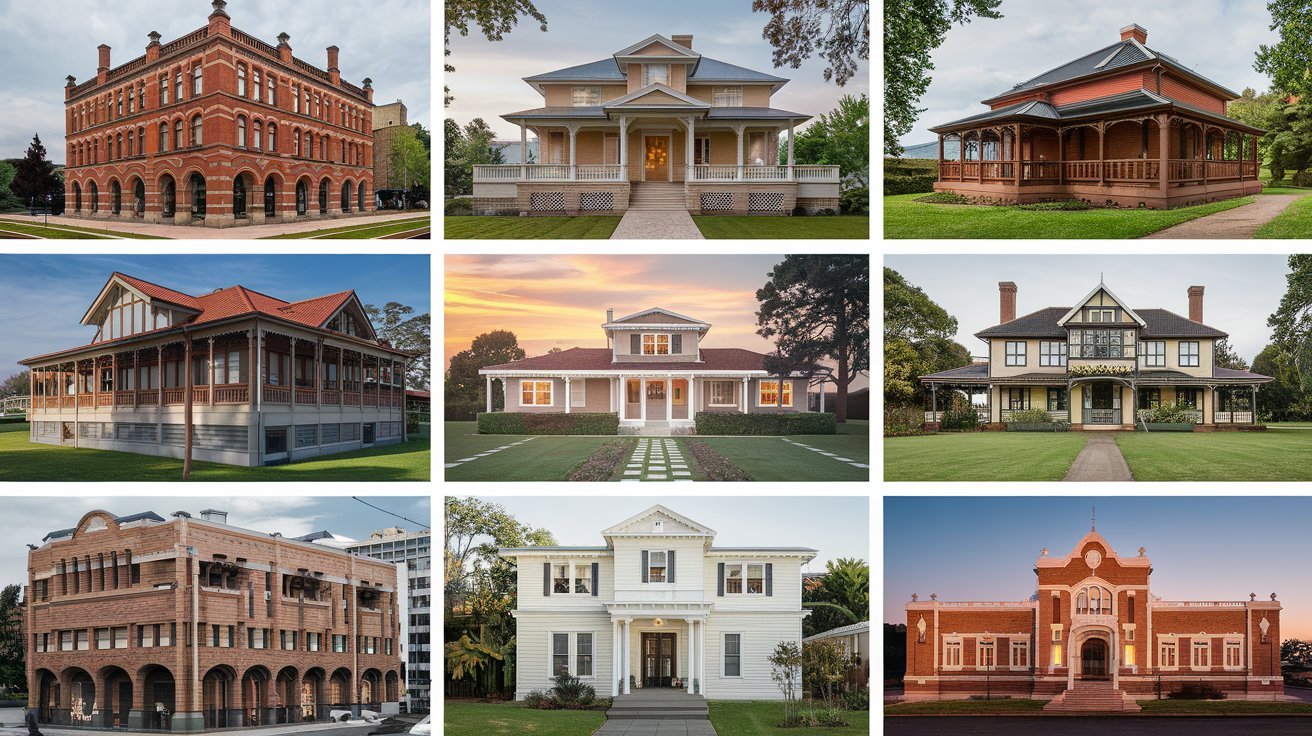
Edwardian architecture emerged during King Edward VII’s short but influential reign from 1901 to 1910. This building style marked a clear shift away from the heavy, ornate Victorian era that came before it.
When and Where It Flourished
The style spread far beyond Britain’s borders. You’ll find excellent examples across the former British Empire. Canada built countless Edwardian homes and public buildings.
San Francisco reconstructed much of the city in this style after the 1906 earthquake. Australia and New Zealand adopted the approach for both residential and commercial structures.
South Africa also embraced these design principles during the same period.
Key Influences That Shaped the Style
Edwardian builders drew inspiration from several sources. Victorian traditions provided the foundation, but architects simplified the approach.
Georgian proportions offered balance and restraint. The Arts and Crafts movement emphasized quality materials and skilled craftsmanship.
Baroque elements added grandeur to public buildings. Tudor revival brought medieval charm to country houses.
This blend created something fresh yet familiar. The result was more livable than Victorian excess but more interesting than plain Georgian simplicity.
Key Exterior Features of Edwardian Architecture
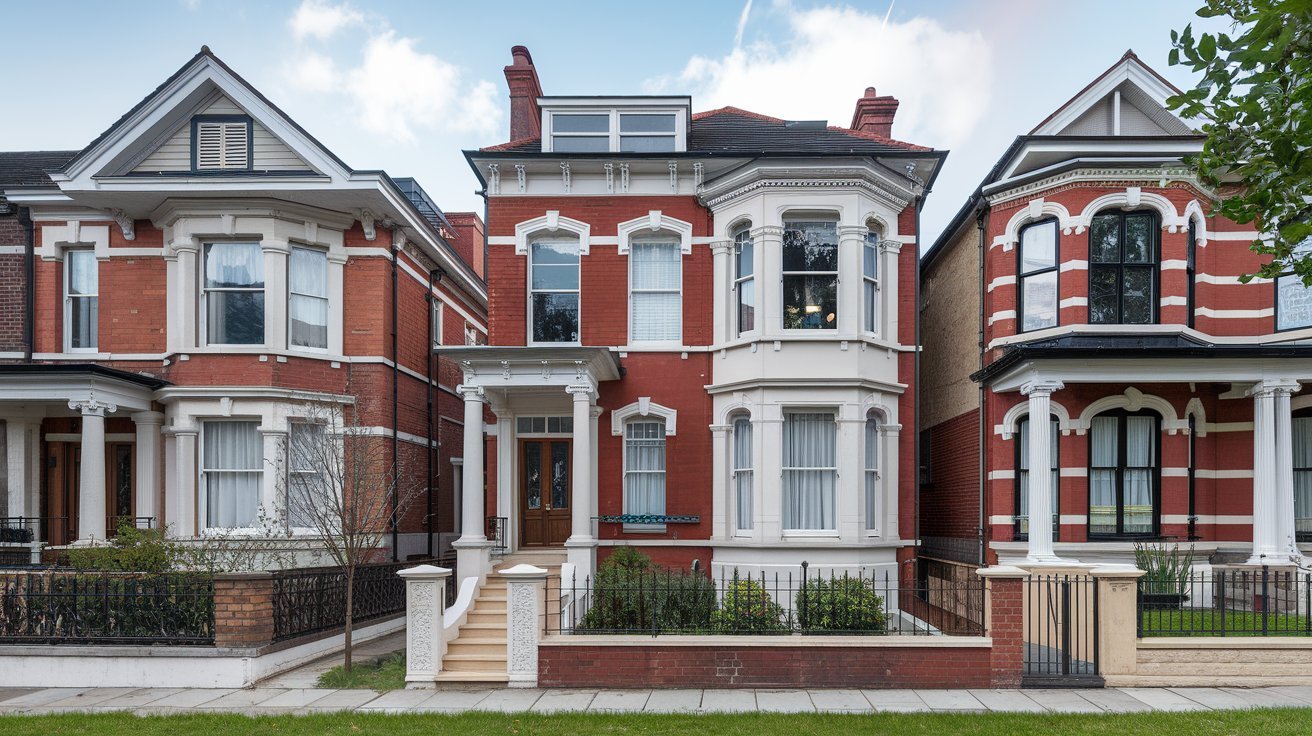
Edwardian exteriors combined gentle rooflines, bright bay windows, and refined classical details to create elegant, balanced homes full of light and charm.
Rooflines That Made a Statement
Edwardian roofs took a gentler approach than their Victorian predecessors. The steep, dramatic angles gave way to hipped roofs with wide, protective overhangs.
Many urban buildings featured flat tops, creating clean horizontal lines. These wider roof edges provided better weather protection and gave buildings a more substantial appearance.
Windows That Let Light Flood In
Bay and bow windows became the hallmark of Edwardian design. These projecting windows came in rounded or angled forms, always sized generously to capture maximum daylight.
Homeowners loved how these features brightened interior spaces while adding visual interest to street facades.
The Classic Red and White Combination
Nothing says Edwardian like red brick paired with crisp white trim. This color scheme dominated London neighborhoods and spread worldwide.
Builders favored natural materials, combining quality brickwork with timber accents. The contrast created striking visual appeal while remaining practical and long-lasting.
Classical Touches Done Right
Columns, cornices, and decorative moldings appeared throughout Edwardian buildings. Dentils and modillions added refined detail without overwhelming the design.
Neo-Georgian and Neo-Baroque influences brought sophistication to both grand mansions and modest terraced houses.
Balanced but Relaxed Layouts
Front elevations rarely followed strict symmetry. Instead, architects created pleasing compositions that felt natural and inviting.
Wooden porches with detailed millwork welcomed visitors while maintaining the overall harmony of the design.
Thoughtful Decorative Details
Stained glass panels and leaded window designs added color and character. These embellishments stayed simple compared to Victorian excess, focusing on quality over quantity.
The result was refined beauty that enhanced rather than dominated the overall appearance.
Key Interior Features of Edwardian Homes

Edwardian interiors embraced openness, natural light, cheerful colors, and handcrafted details creating bright, breathable spaces that balanced elegance with comfort.
Rooms That Breathe
Edwardian interiors broke free from Victorian compartmentalization. Families wanted homes that felt open and flexible.
Architects removed unnecessary walls between living spaces. This created flowing layouts that adapted easily to different activities.
Dining rooms connected naturally to sitting areas. Hallways became wider and more welcoming.
Height and Light Working Together
Ceilings soared higher than modern standards, often reaching ten feet or more.
Combined with those signature large windows, rooms felt bright and airy throughout the day. Fresh air circulation improved dramatically compared to stuffy Victorian parlors.
Natural light became a priority, not an afterthought.
Color Palettes That Lifted Spirits
Gone were the heavy browns and deep purples of the Victorian era. Edwardian families chose lighter, more cheerful colors for their walls.
Cream, pale yellow, and soft green became popular choices. Electric lighting played a role in this shift.
Without gas lamps producing constant soot, homeowners could maintain cleaner, brighter surfaces.
Artistic Details That Told Stories
The Arts and Crafts movement brought nature indoors through floral wallpaper patterns and handcrafted furniture.
Art Nouveau influences appeared in curved metalwork and flowing designs. Tiffany-style lamps cast colorful light through intricate glass shades.
Fireplaces became focal points with elaborate surrounds and decorative tiles.
Craftsmanship You Could Touch
Skilled woodworkers created detailed trim around doors and windows. Plaster moldings added texture to ceilings and walls.
Built-in bookcases and window seats showed off fine carpentry.
Every detail reflected the period’s emphasis on quality materials and expert craftsmanship.
Regional Variations of Edwardian Architecture
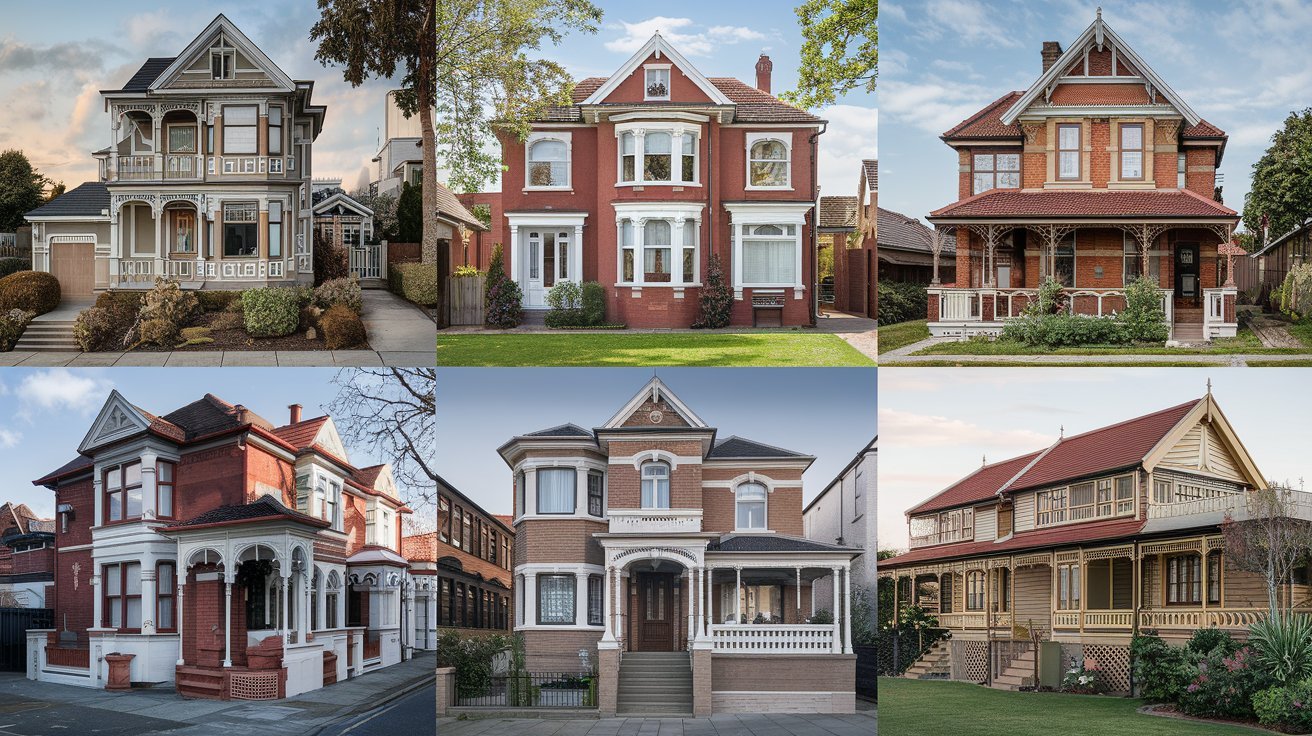
Edwardian architecture adapted globally after 1900, blending classic design with local materials, climate needs, and cultural flair from San Francisco to Sydney.
San Francisco’s Phoenix Rising
The devastating 1906 earthquake gave San Francisco a chance to rebuild with fresh ideas. Whole neighborhoods adopted Edwardian principles as the city reconstructed itself. Today, you’ll find stunning examples throughout Nob Hill, Telegraph Hill, and Pacific Heights.
Local builders made smart adaptations for California living. Timber framing suited the region’s seismic conditions better than heavy masonry. Decorative porches became outdoor living spaces, perfect for the mild climate. These homes show how global styles adapted to local needs and conditions.
Britain and Canada’s Suburban Solutions
Edwardian builders in the UK and Canada focused on creating comfortable family neighborhoods. Terraced houses lined new suburban streets, while semi-detached homes offered more privacy. These developments housed growing middle-class families moving away from crowded city centers.
The classic formula worked perfectly: red brick construction with white-painted sash windows and refined classical trim. This combination proved both affordable and attractive. Canadian builders embraced the same principles, creating similar streetscapes across the dominion.
Australian and New Zealand Adaptations
Southern Hemisphere builders faced different climate challenges. Timber construction made sense in regions with abundant forests and earthquake risks. Expansive verandas provided essential shade and outdoor living space in hot climates.
Local craftsmen added their own touches. Decorative ironwork, often called “lacework,” created intricate patterns on balconies and porches. Stained glass panels filtered harsh sunlight while adding color and beauty to interior spaces. These regional touches made Edwardian style distinctly antipodean.
Differences Between Edwardian and Other Styles

Edwardian architecture softened the rigid formality of Georgian and the ornate excess of Victorian styles, favoring balance, openness, and understated elegance.
Edwardian vs. Victorian: A Breath of Fresh Air
The contrast between these two periods couldn’t be more striking. Victorian buildings loved to show off with every possible decorative element. Gingerbread trim, multiple colors, and busy patterns competed for attention on single facades.
Edwardian architects took a step back. They cleaned up the visual noise and focused on proportion instead of ornamentation. Where Victorian homes reached skyward with towers and steep roofs, Edwardian buildings spread outward with wider footprints and gentler rooflines.
The shift from vertical to horizontal changed how these homes felt. Victorian interiors often seemed cramped and compartmentalized. Edwardian spaces opened up, letting families move freely between rooms. Natural light replaced heavy drapery and dark woodwork.
Edwardian vs. Georgian: Breaking the Rules
Georgian architecture followed strict mathematical principles. Every window, door, and decorative element had its proper place in a symmetrical composition. These buildings projected order, restraint, and classical education.
Edwardian designers respected these traditions but weren’t enslaved by them. They played with asymmetrical layouts that felt more natural and inviting. A bay window might project from one side while a porch balanced the other. This created visual interest without sacrificing harmony.
Georgian buildings stayed deliberately plain, letting perfect proportions speak for themselves. Edwardian architects added just enough decorative features to create personality. Stained glass, carved woodwork, and varied textures gave each building its own character while maintaining overall sophistication.
Conclusion
Recognizing Edwardian architecture becomes simple once you know what to look for.
Those wide-eaved roofs, generous bay windows, and red brick with white trim create an unmistakable combination. The balanced yet relaxed facades tell the story of a more optimistic era.
Understanding these building styles matters whether you’re restoring a period home, working in real estate, or simply appreciating your neighborhood’s history.
Each architectural period reflects the values and lifestyle of its time.
The best way to sharpen your eye is through practice. Take a walk through older residential areas in your city.
Look for the features we’ve covered. Notice how local builders adapted Edwardian principles to regional materials and climate.
Soon you’ll spot these distinctive buildings instantly and appreciate the craftsmanship that makes them special.
Frequently Asked Questions
What years define the Edwardian architectural period?
Edwardian architecture spans from 1901 to 1910, matching King Edward VII’s reign. However, the style’s influence continued into the 1920s in some regions, especially areas rebuilding after World War I.
How can I tell if my house is Edwardian or Victorian?
Look for simpler, cleaner lines and wider roof overhangs on Edwardian homes. Victorian houses typically feature more ornate decoration, steeper roofs, and darker color schemes throughout.
Are Edwardian homes expensive to maintain?
Quality construction methods make these homes quite durable when properly cared for. Original features like sash windows and decorative plasterwork may need specialist restoration, but the solid brick construction typically ages well.
What’s the most common mistake people make with Edwardian renovations?
Removing original features like bay windows, decorative trim, or period fireplaces destroys the home’s character. Modern replacements rarely match the quality or visual appeal of the original craftsmanship.
Where can I find the best examples of Edwardian architecture today?
London’s suburbs contain thousands of well-preserved examples, particularly in areas like Muswell Hill and Ealing. San Francisco’s Pacific Heights and Melbourne’s inner suburbs also showcase excellent regional variations of the style.
