

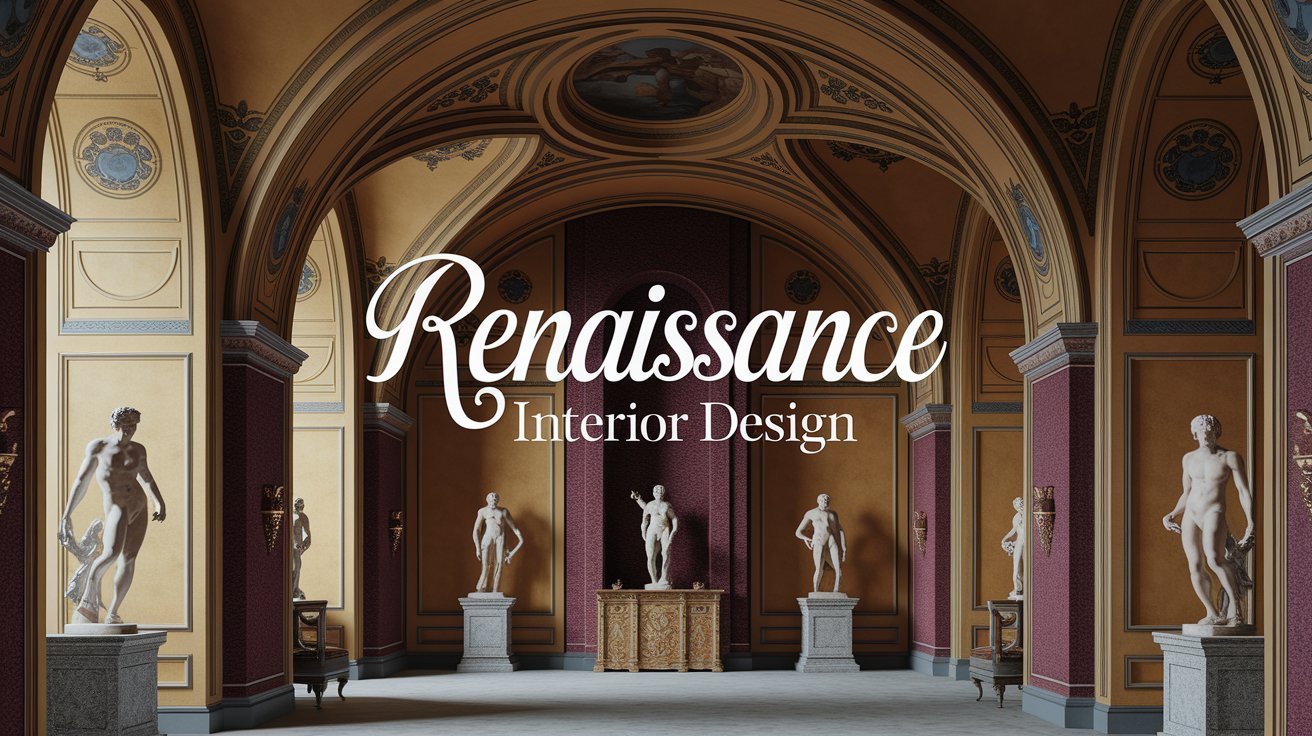
Want to bring the beauty of Renaissance design into your home? You’re in the right place.
This guide walks you through everything you need to know about Renaissance interior design. We’ll cover the key elements that make this style special.
You’ll learn about classical features like arches and columns. We’ll explore rich materials and luxurious finishes. Plus, you’ll find how to use symmetry and balance to create stunning spaces.
I’ve spent years studying historical design styles. My background in interior architecture gives me the knowledge to explain these concepts clearly. You can trust that the information here is accurate and practical.
By the end of this article, you’ll know exactly how to incorporate Renaissance elements into your modern home. Whether you want subtle classical touches or bold dramatic statements, you’ll have the tools to make it happen.
Understanding the Renaissance Era
The Renaissance marked a period of dramatic change in European history, spanning roughly from the 14th to the 17th centuries.
This era began in Italy and spread across Europe, bringing new ways of thinking about art, science, and human potential.
During this time, people looked back to ancient Greek and Roman culture for inspiration. They studied classical texts, rediscovered lost knowledge, and began questioning medieval traditions. This shift created an atmosphere of learning and creativity that had been absent for centuries.
The Renaissance represented a cultural rebirth that touched every aspect of society. Artists, architects, and thinkers broke free from the rigid styles of the medieval period. They began creating works that celebrated human achievement and natural beauty.
Why Renaissance Design Stands Out in History
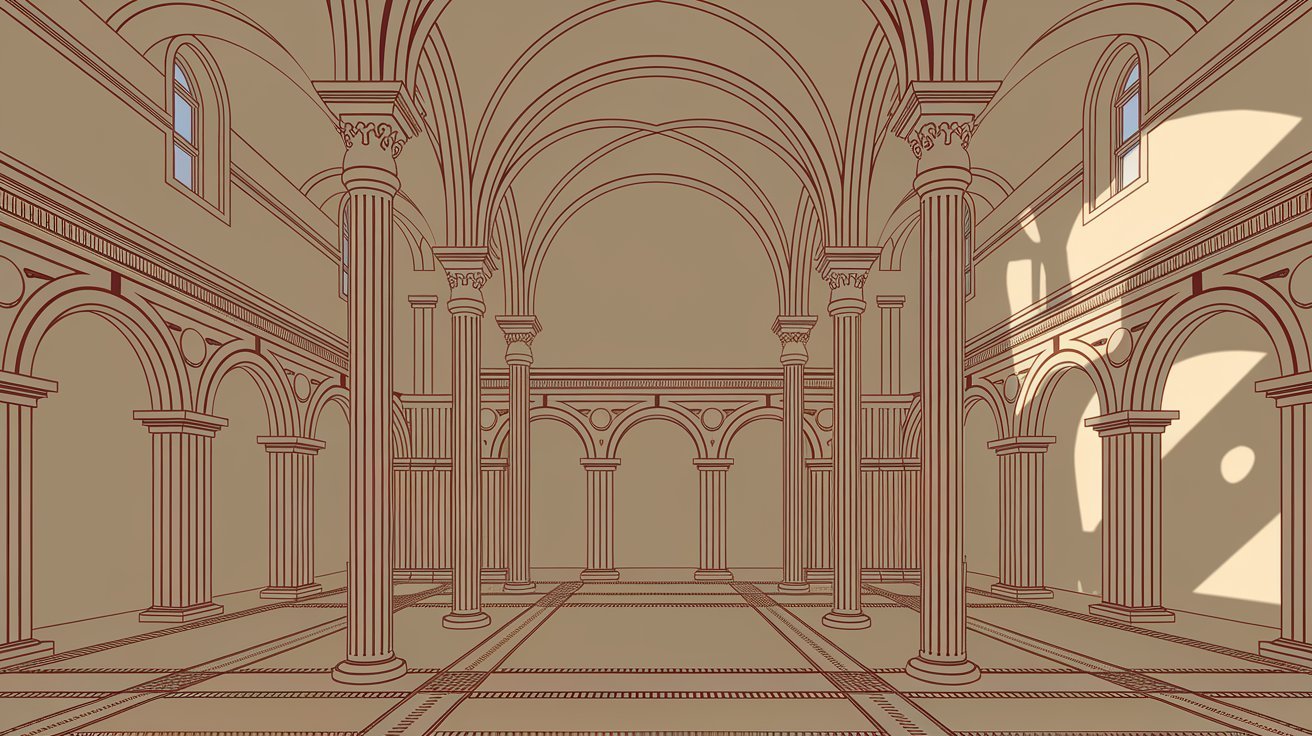
Renaissance design stands out because it balanced beauty with function in ways that hadn’t been seen before.
Architects and designers created spaces that were both practical and visually striking. This approach influenced building design for centuries to come.
The period introduced mathematical principles to design. Architects used geometry and proportion to create pleasing visual relationships.
This scientific approach to beauty created buildings that felt naturally balanced and harmonious.
Renaissance designers also pioneered the use of perspective in art and architecture. This technique made flat surfaces appear three-dimensional.
Buildings and interiors gained depth and visual interest that captured people’s imagination.
Key Elements That Define Renaissance Interior Design
Architectural Features
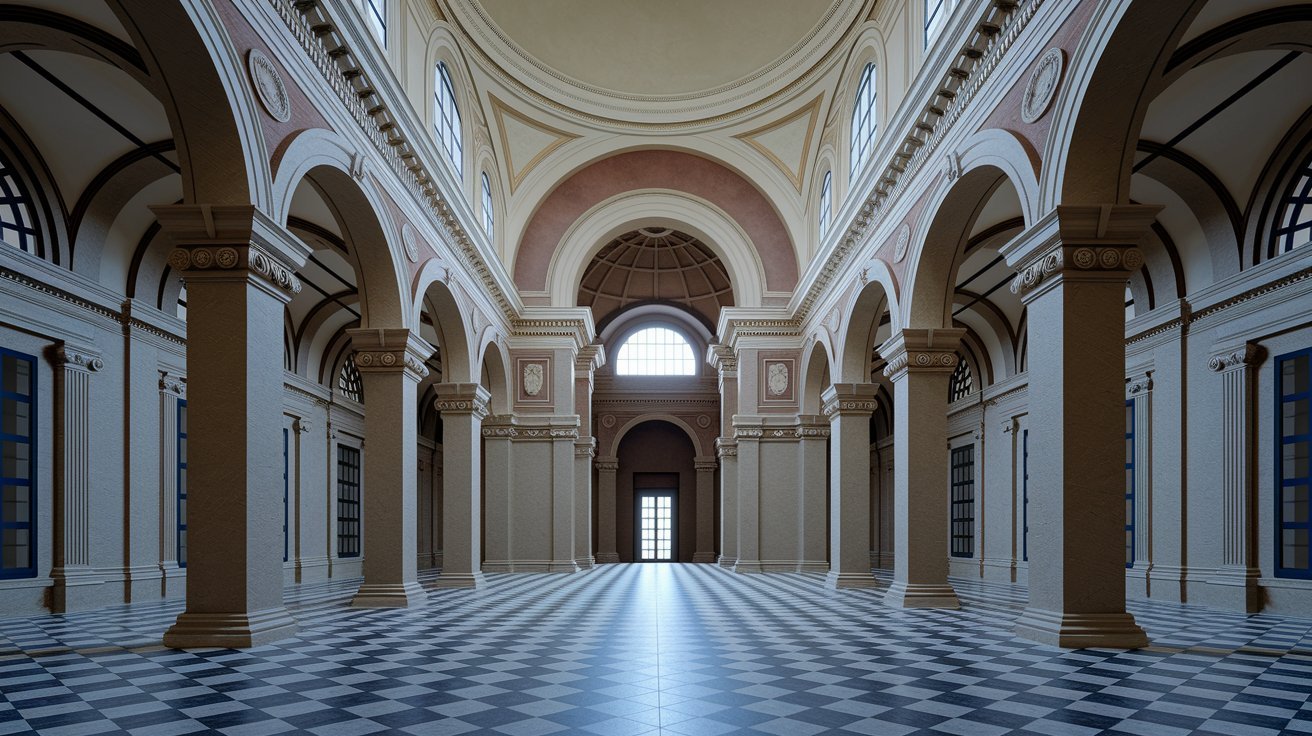
Renaissance interiors showcase distinctive structural elements that create drama and grandeur. Arches appear throughout these spaces, from doorways to windows to decorative niches. These curved structures add visual interest while supporting the building’s weight.
Columns play a major role in Renaissance design, often featuring classical orders like Ionic, Doric, or Corinthian styles. These vertical elements divide spaces while maintaining an open, flowing feel. They also provide structural support for upper floors and ceilings.
Domes crown many Renaissance buildings, creating impressive focal points in main rooms. These curved ceilings draw the eye upward and make spaces feel larger and more significant. The engineering required for these features demonstrated the era’s technical advancement.
Luxurious Materials and Finishes
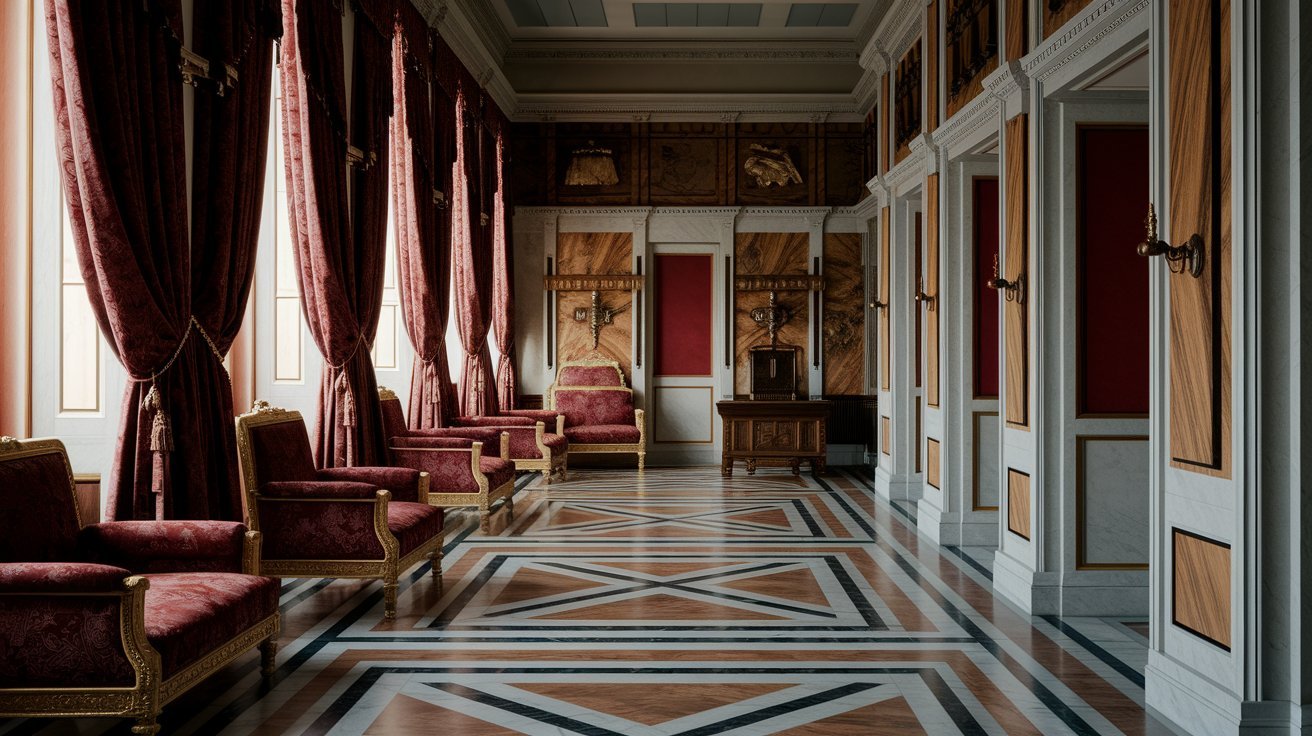
Renaissance interiors featured the finest materials available at the time. Rich fabrics like velvet, silk, and brocade covered furniture and hung from windows. These textiles came in deep colors and featured intricate patterns that showed off the weaver’s skill.
Stone played a major role in Renaissance design, with marble being the most prized material. Floors, walls, and architectural details often featured different colored marbles arranged in geometric patterns. This stone work required skilled craftsmen and significant expense.
Wood appeared throughout Renaissance interiors, with walnut and oak being particularly popular. These hardwoods were carved into furniture, wall panels, and decorative details. The rich grain and warm tones of these woods created inviting, comfortable spaces.
Classical Motifs and Decorative Patterns

Renaissance designers drew heavily from ancient Greek and Roman decorative traditions. Acanthus leaves appeared on columns, furniture, and wall decorations. These stylized plant forms added natural beauty while connecting to classical heritage.
Scrollwork provided flowing, organic decoration throughout Renaissance spaces. These curved patterns appeared in wood carvings, metalwork, and painted decorations. The flowing lines created visual movement and added grace to formal interiors.
Floral designs brought nature indoors through decorative arts. Painters and craftsmen created realistic flowers and plants in frescoes, tapestries, and carved details. These natural motifs softened the formal geometry of Renaissance architecture.
Symmetry and Mathematical Proportions
Balance and Harmony
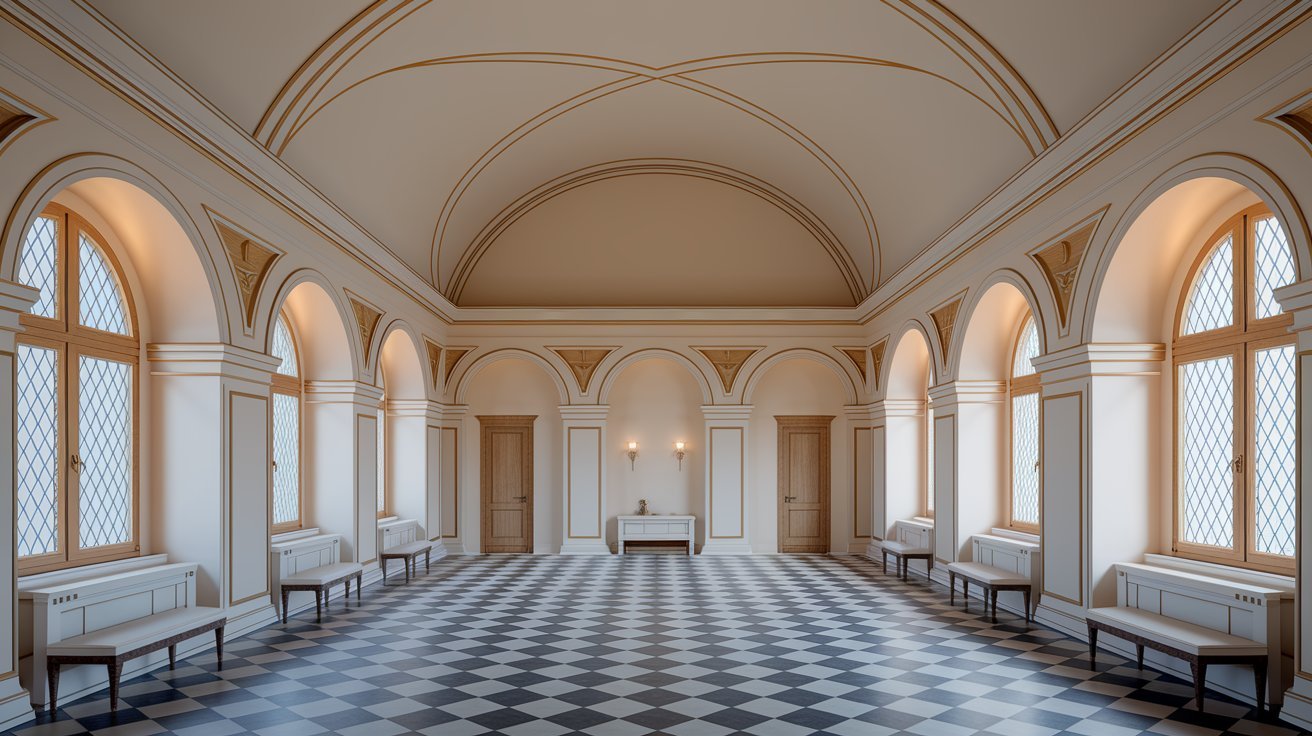
Renaissance designers understood that certain mathematical relationships create naturally pleasing spaces. The golden ratio, a proportion found throughout nature, became a fundamental tool in creating beautiful interiors. This ratio of approximately 1.6 to 1 appears in everything from room dimensions to furniture spacing.
When applied to interior layouts, the golden ratio helps determine ideal room proportions. A room that follows this ratio feels comfortable and well-balanced without people understanding exactly why. The mathematical relationship creates an unconscious sense of rightness that makes spaces feel welcoming.
Creating a Sense of Order
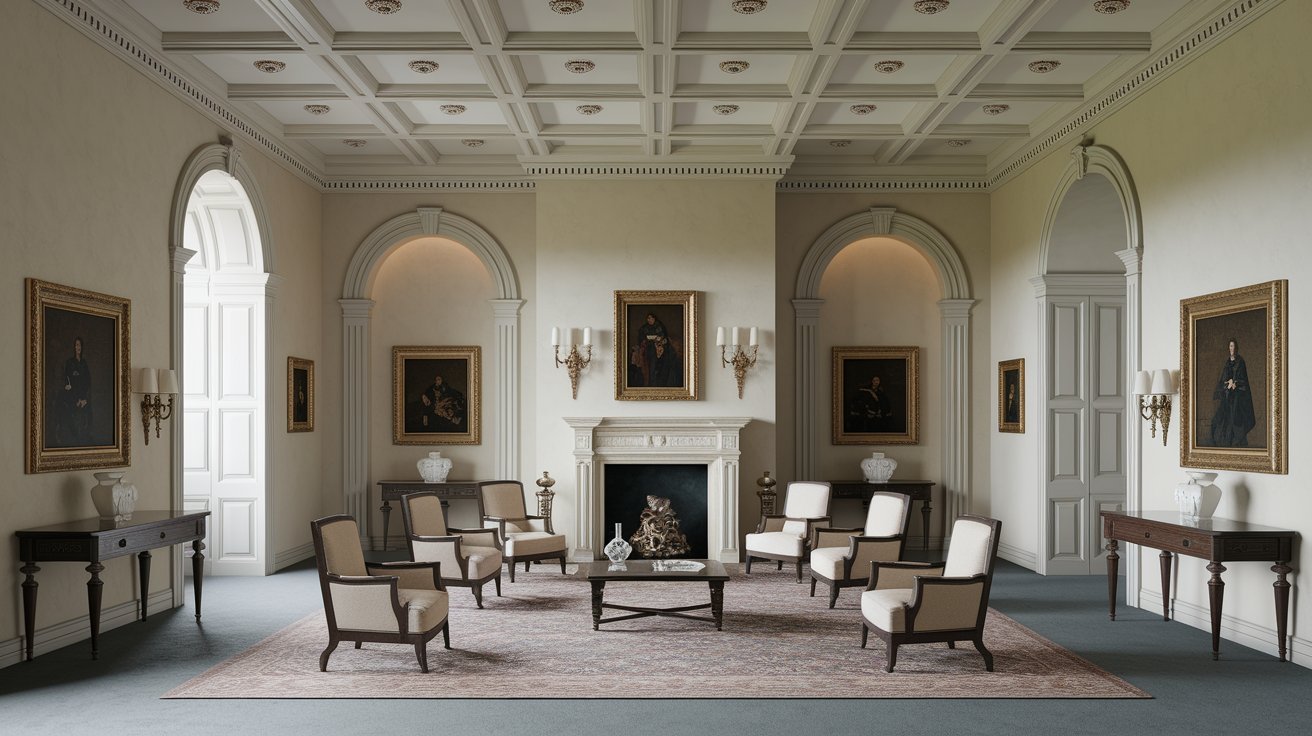
Symmetrical design became a hallmark of Renaissance interiors because it creates immediate visual calm. When people enter a symmetrically arranged room, their eyes quickly understand the organization and feel at ease. This psychological response makes symmetrical spaces feel more formal and controlled.
The human brain naturally seeks patterns and balance in visual information. Symmetrical arrangements satisfy this need by providing clear, predictable relationships between objects. This predictability creates a sense of stability and order that people find comforting.
Renaissance rooms often featured central focal points with matching elements arranged on either side. A fireplace might anchor one wall with identical chairs, tables, or artwork placed symmetrically around it. This arrangement created visual weight that felt stable and intentional.
The Role of Art in Renaissance Interiors
Integration of Art and Design

Art wasn’t just decoration in Renaissance homes—it was woven into the very fabric of interior design. Wall frescoes covered entire surfaces, transforming ordinary rooms into immersive visual experiences. These painted scenes became permanent parts of the architecture, impossible to separate from the building itself.
Skilled artists painted directly onto wet plaster, creating frescoes that would last for centuries. These wall paintings told complete stories across multiple rooms, guiding visitors through visual narratives as they moved through the house. The technique required perfect timing and exceptional skill, making frescoes a mark of both wealth and cultural sophistication.
Sculptures occupied prominent positions throughout Renaissance interiors. Marble busts of family members, classical figures, and religious saints filled niches, adorned mantels, and anchored room corners. These three-dimensional artworks added depth and texture to spaces while displaying the owner’s taste and education.
Art as a Focal Point

Renaissance families used art to tell their stories and communicate their values to visitors. Portrait galleries displayed family lineages, showing important ancestors and celebrating current family members. These personal narratives created powerful impressions about family history and social standing.
Historical scenes depicted great events and heroic figures, allowing families to associate themselves with noble causes and important moments. Battle scenes, royal ceremonies, and classical events provided inspiring subjects that elevated the tone of domestic spaces.
Artworks served as conversation starters and educational tools within Renaissance homes. Guests could discuss the stories, identify characters, and appreciate artistic techniques. This interactive quality made art an important part of social entertainment and cultural exchange.
Modern Interpretations and Lasting Influence
Renaissance Design in Contemporary Interiors
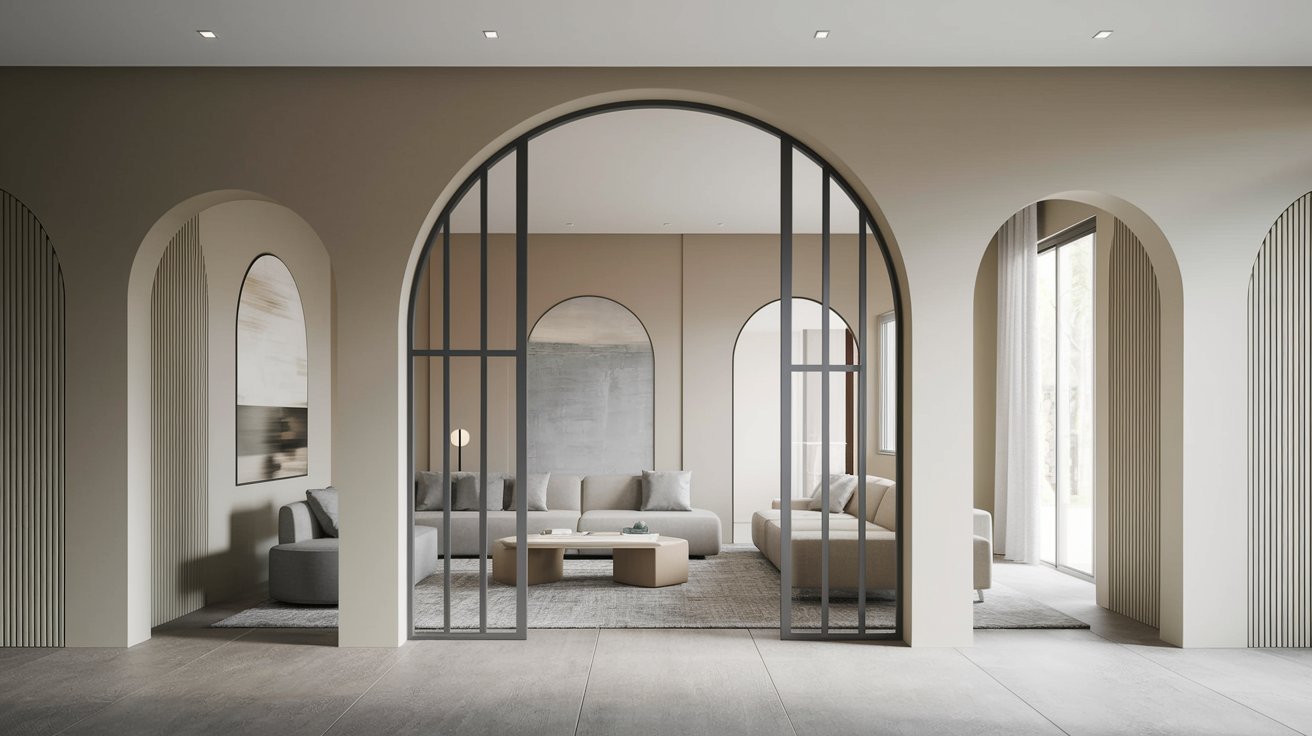
Today’s designers adapt Renaissance elements for modern living. Arches appear as doorway frames and decorative niches, creating architectural interest with cleaner lines than historical versions. These simplified forms suit contemporary preferences while maintaining classical proportions.
Columns work as room dividers in open floor plans, providing visual anchors without solid barriers. Modern versions use steel or concrete instead of stone, keeping the vertical emphasis and proportional relationships of Renaissance design.
Blending Renaissance with Other Styles
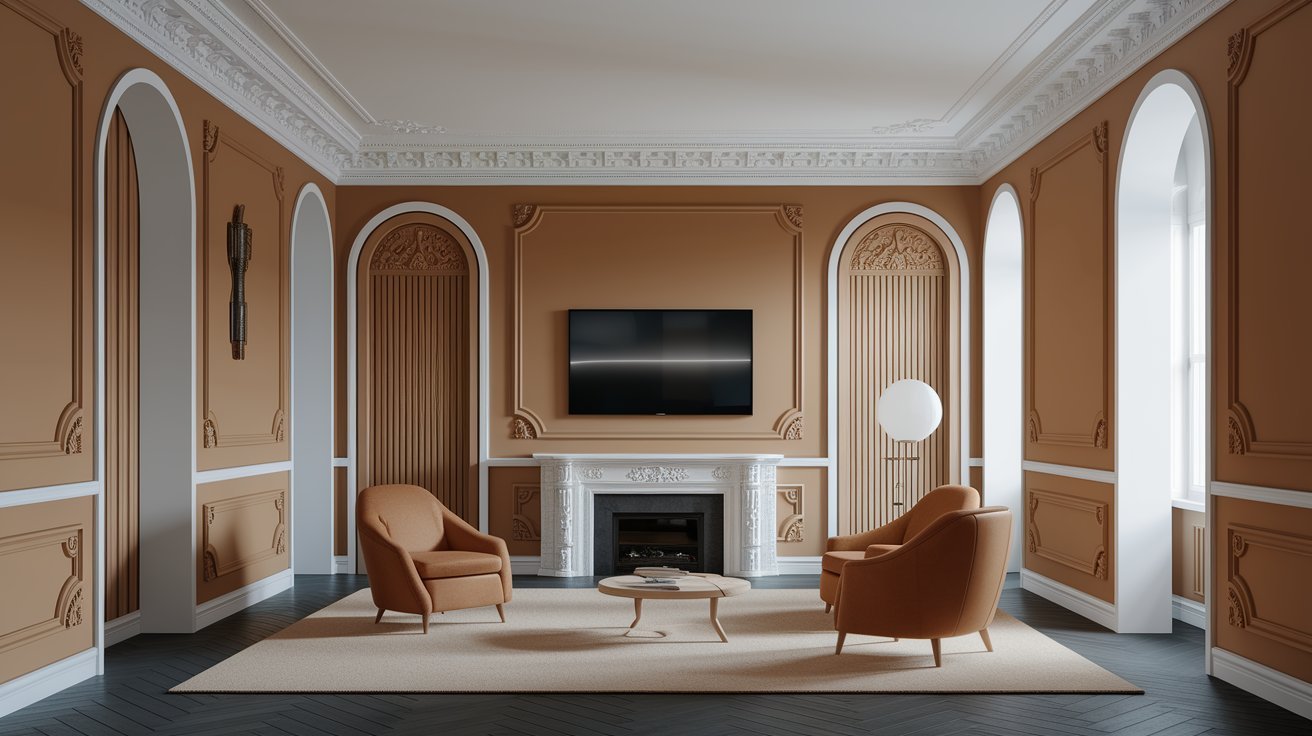
Renaissance-modern fusion applies classical proportions to contemporary materials and layouts. Modern minimalism enhances Renaissance elements by providing clean backgrounds that highlight classical details.
Updated color palettes maintain rich, saturated tones while adding neutral backgrounds or unexpected accents. Technology integration hides modern conveniences within classical moldings and architectural details.
Furniture mixing combines Renaissance-inspired pieces with modern functional items. Material updates use composites instead of carved wood, providing similar visual impact with better durability.
Tips for Incorporating Renaissance Design Elements
- Study classical proportions and apply mathematical ratios like the golden ratio when planning room layouts and furniture placement
- Use symmetrical arrangements to create calm, balanced spaces that feel organized and sophisticated
- Incorporate arches in doorways, windows, or decorative niches to add architectural interest and classical appeal
- Choose rich, saturated colors like deep reds, blues, and golds to create dramatic and luxurious atmospheres
- Select furniture with carved details and classical motifs, but keep ornamentation appropriate for modern living
- Layer different textures through velvet cushions, silk draperies, and quality wood finishes for visual depth
Conclusion
Renaissance interior design stands apart through its masterful combination of mathematical precision, luxurious materials, and classical inspiration.
The period’s emphasis on symmetry and proportion creates spaces that feel naturally balanced and harmonious to the human eye.
The richness of Renaissance interiors, from carved walnut furniture to silk tapestries and marble surfaces, demonstrates a commitment to quality and craftsmanship that modern design still admires.
Classical motifs like columns, arches, and decorative patterns connect these spaces to ancient traditions while maintaining timeless appeal.
This design style remains influential because it addresses fundamental human needs for beauty, order, and comfort.
The mathematical relationships underlying Renaissance design create environments that feel both grand and welcoming. These enduring principles continue to guide contemporary designers who seek to create spaces with lasting elegance and charm.
Frequently Asked Question
What are the key characteristics of Renaissance interior design?
Renaissance design features symmetrical layouts, classical elements like columns and arches, and rich materials such as marble and carved wood. The style emphasizes mathematical proportions, luxurious textiles, and decorative motifs inspired by ancient Greek and Roman art.
How can I incorporate Renaissance elements into a modern home?
Start with symmetrical furniture arrangements and add classical details like arched doorways or column-inspired room dividers. Use rich colors, quality materials like walnut wood, and incorporate decorative elements with classical motifs in lighting and accessories.
What colors work best in Renaissance-inspired interiors?
Deep, saturated colors like burgundy red, forest green, royal blue, and gold create authentic Renaissance atmospheres. These rich hues can be balanced with neutral backgrounds to prevent overwhelming modern spaces while maintaining the style’s dramatic character.
What materials were most important in Renaissance design?
Marble, walnut, and oak formed the foundation of Renaissance interiors, along with luxurious textiles like velvet and silk. Gold leaf, intricate wood carvings, and decorative stone work added layers of sophistication and demonstrated wealth and craftsmanship.
Why does Renaissance design still influence modern interiors?
The mathematical principles and proportional relationships of Renaissance design create naturally pleasing environments that feel balanced and harmonious. These timeless concepts of symmetry, quality materials, and classical beauty continue to resonate with contemporary designers and homeowners.
