

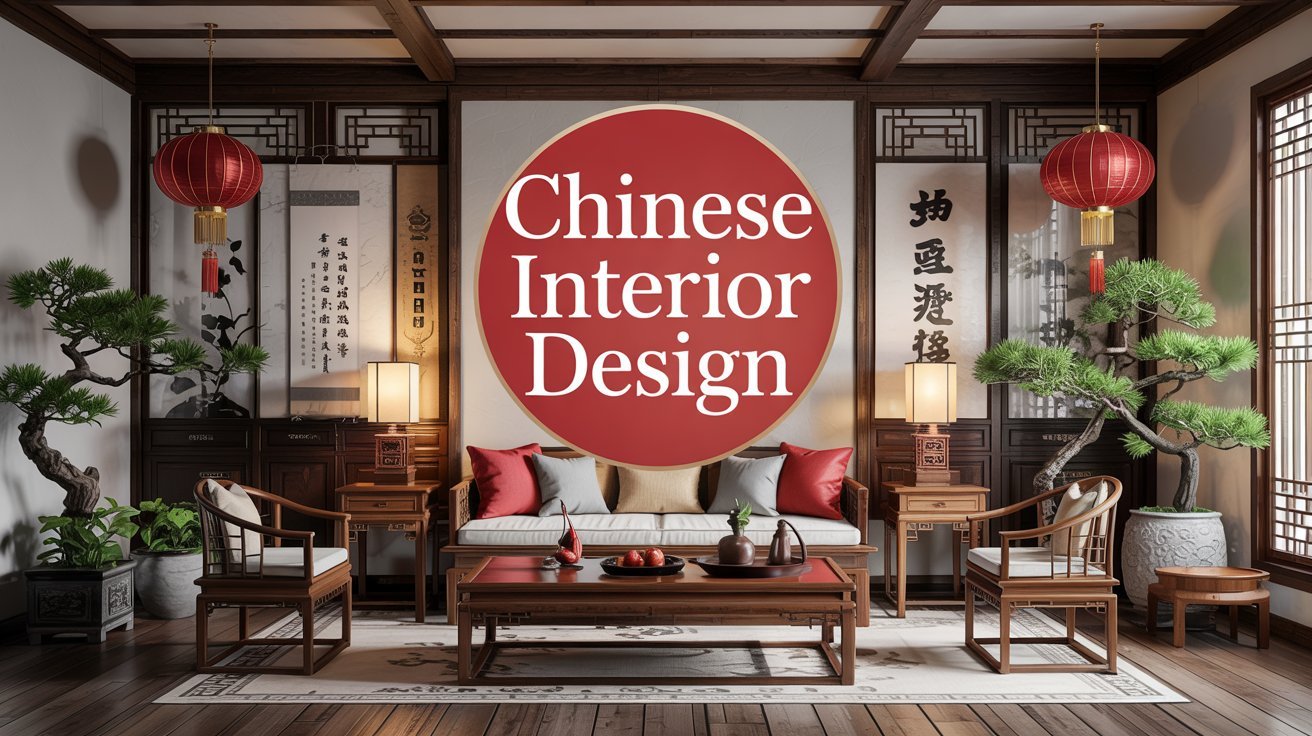
I’ve always been fascinated by Chinese interior design. There’s something special about how it blends ancient wisdom with practical living.
This design style isn’t just about pretty decorations. It’s about creating spaces that feel balanced and peaceful. Every color, every piece of furniture, every small detail has meaning.
You don’t need to be an expert to use these ideas in your home. Chinese design has influenced homes worldwide because it works. It makes spaces feel calm and organized.
In this guide, I’ll show you the key principles behind Chinese interior design. You’ll learn about colors, materials, and furniture choices. Most importantly, you’ll get simple tips you can use right away.
Whether you want to redesign your entire home or just add a few meaningful touches, this style offers timeless solutions that never go out of fashion.
What Is Chinese Interior Design?
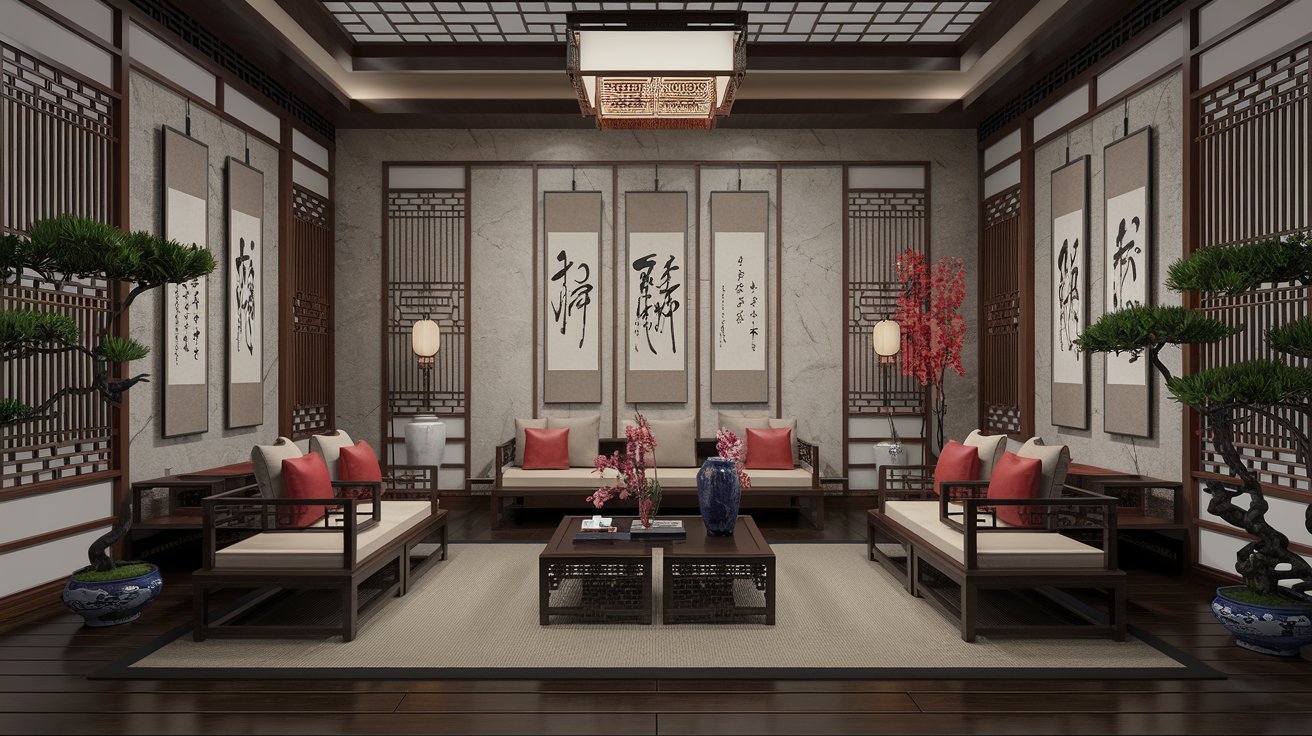
Chinese interior design comes from thousands of years of culture and tradition. It’s not just one style. It’s a whole way of thinking about spaces.
The roots go deep into Chinese philosophy. Confucianism teaches us about order and respect. Taoism shows us how to live in harmony with nature. These ideas shape how Chinese people design their homes.
Feng Shui plays a huge role, too. This ancient practice guides how energy flows through a space. It affects where you place furniture and how you arrange rooms.
There are three main types to know about:
- Traditional Chinese Design: It stays true to ancient methods. Think heavy wooden furniture, intricate carvings, and rich red colors. This style works best in larger spaces.
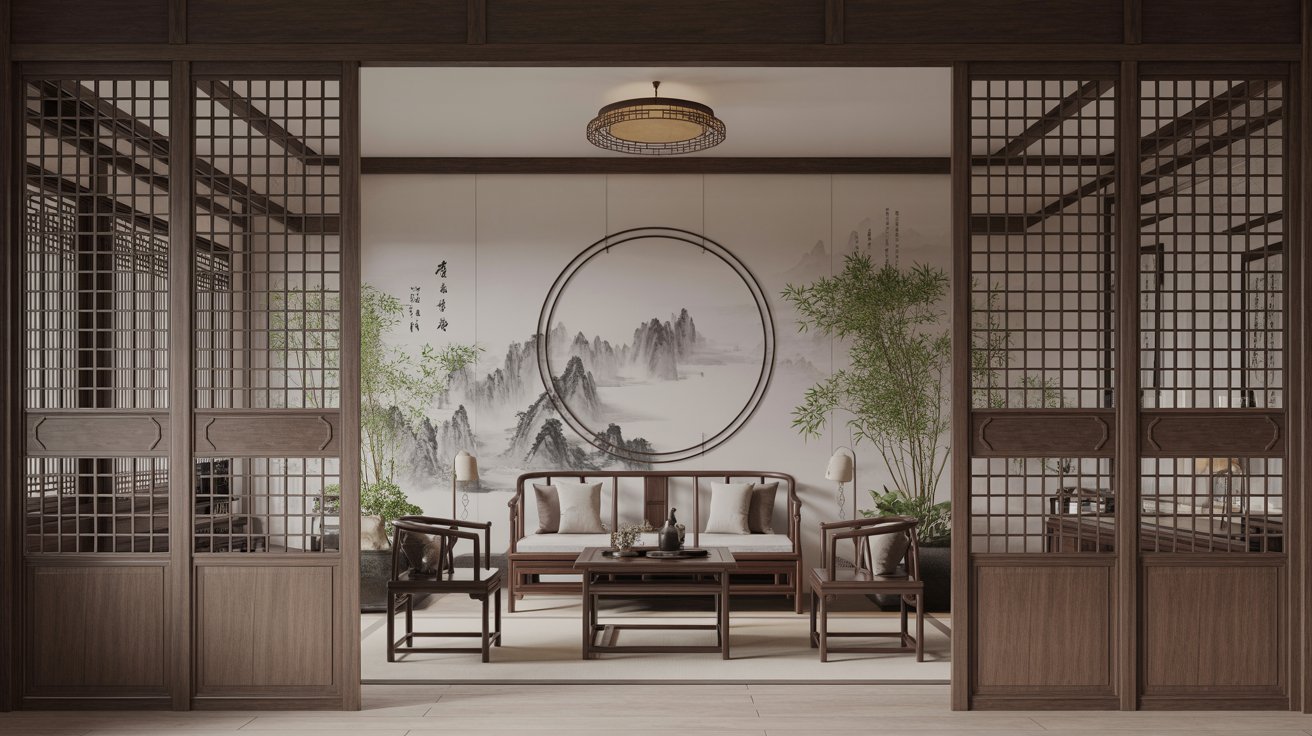
- Modern Chinese Design: It takes old ideas and makes them fresh. It uses cleaner lines and lighter colors while keeping the core principles.
- Fusion Design: It mixes Chinese elements with other styles. You might see a traditional Chinese screen in a minimalist living room. This approach works great for beginners.
Each type honors the same basic ideas: balance, harmony, and respect for nature.
Core Principles of Chinese Interior Design
Harmony and Balance
The yin-yang symbol isn’t just decoration. It’s a guide for designing spaces.
Yin represents soft, dark, and quiet elements. Yang represents bright, active, and energetic ones. Good Chinese design balances both.
If your room has lots of hard surfaces (yang), add soft textiles (yin). If it’s too dark (yin), bring in more light (yang). This creates spaces that feel complete and restful.
Feng Shui Philosophy
Feng Shui is about energy flow, called Qi. Good Qi moves smoothly through your space. Bad Qi gets stuck or moves too fast.
Here’s what matters most:
- Keep pathways clear so energy can flow
- Place furniture so you can see the door from where you sit
- Avoid sharp corners pointing at seating areas
- Use mirrors to redirect energy, not block it
You don’t need to follow every Feng Shui rule. Start with the basics and see how your space feels.
Connection to Nature
Chinese design always includes natural elements. This isn’t just about houseplants.
Wood is the most important material. It brings warmth and life to any room. Bamboo works well too because it grows quickly and represents flexibility.
Stone adds stability and strength. Water features create calm sounds and movement. Even if you can’t add a fountain, a small bowl of water helps.
Minimalism with Meaning
Chinese minimalism is different from modern minimalism. Every item you keep should have a purpose or meaning.
This doesn’t mean your home has to be empty. It means being thoughtful about what you include. A beautiful vase serves a purpose. So does a comfortable chair.
Remove things that don’t add value to your daily life. Keep things that make you feel good or serve a real function.
Key Elements of Chinese Interior Style
Color Palette
Colors in Chinese design tell stories and create moods.
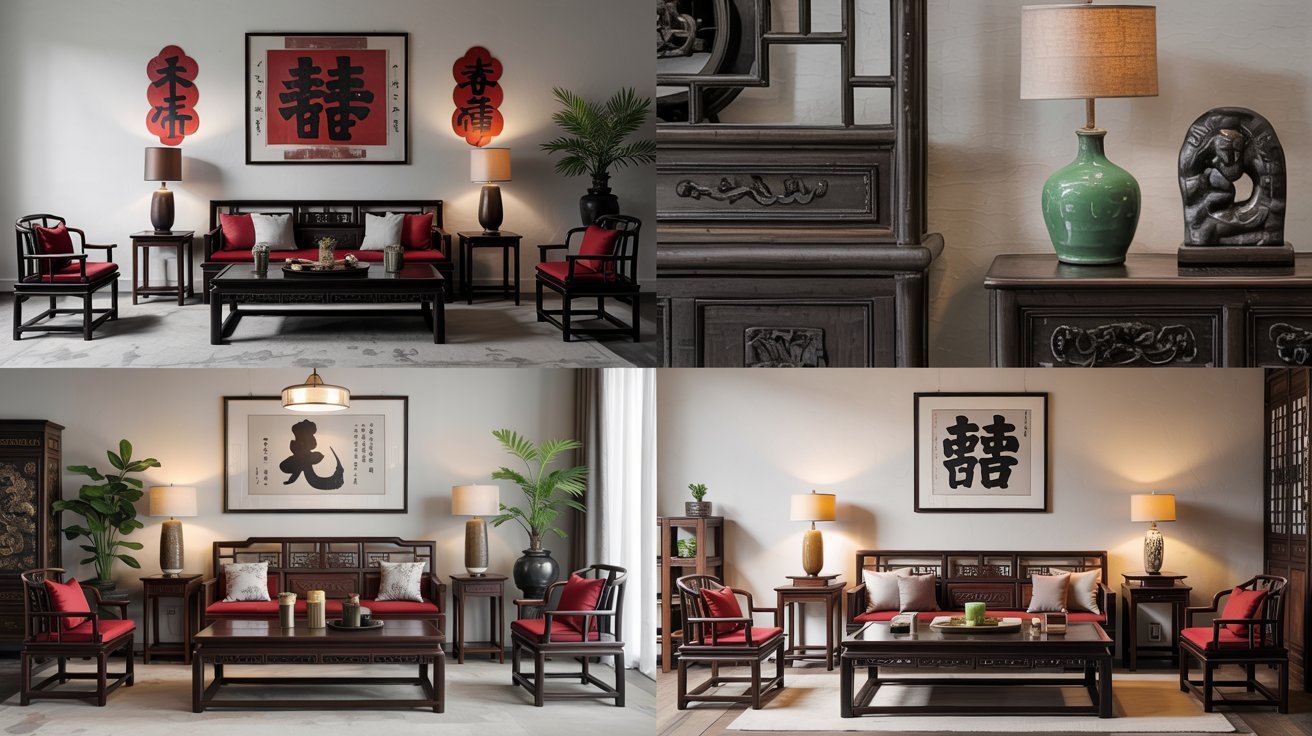
Red: It is the most important color. It represents happiness, luck, and celebration. Use it in small amounts as an accent. Too much red can feel overwhelming.
Black: It provides grounding and sophistication. It works well for furniture frames and decorative objects.
Gold: It adds luxury and warmth. A little goes a long way. Think picture frames, lamp bases, or small decorative items.
Jade Green: It represents growth and harmony. It’s perfect for adding calm energy to any room.
For modern homes, balance these bold colors with neutral backgrounds. White, cream, and soft gray let traditional colors shine without fighting for attention.
Materials & Textures
The materials you choose set the whole mood of your space.
Wood: It dominates Chinese interiors. Dark woods like ebony and rosewood are traditional choices. Lighter woods work fine if you prefer a softer look.
Lacquered finishes: They give furniture a smooth, glossy surface. They’re practical and beautiful. They also reflect light, making rooms feel brighter.
Carved stone: It adds texture and permanence. You don’t need massive stone pieces. Small carved details work just as well.
Silk: It brings luxury and softness. Use it for cushions, curtains, or wall hangings.
Furniture & Layout
Chinese furniture has a distinctive look that’s both practical and beautiful.
Ming and Qing dynasty style: They still influence modern Chinese furniture. Ming pieces are simpler and more geometric. Qing furniture is more decorative and curved.
Symmetrical arrangements: They create visual balance. If you put a lamp on one side of a sofa, put something similar on the other side.
Low, compact furniture: It keeps spaces feeling open and grounded. Coffee tables, side tables, and seating should feel substantial but not overwhelming.
Look for furniture with clean lines and quality construction. Avoid pieces that are too ornate or busy.
Symbols and Artwork
Symbols in Chinese design aren’t just decorative. They carry meaning and good wishes.
Dragons: They represent power and good fortune. They’re often used in artwork and carvings.
Phoenixes: They symbolize rebirth and beauty. They pair well with dragon motifs.
Cranes: They represent longevity and peace. They’re perfect for bedrooms and quiet spaces.
Peonies: They are flowers that represent honor and wealth. They show up in paintings and textile patterns.
Calligraphy scrolls: They add culture and sophistication. Even if you can’t read Chinese characters, they create beautiful focal points.
Traditional Chinese paintings: They often show landscapes, flowers, or birds. They bring nature indoors and create peaceful feelings.
Chinese Decorative Elements That Change a Room
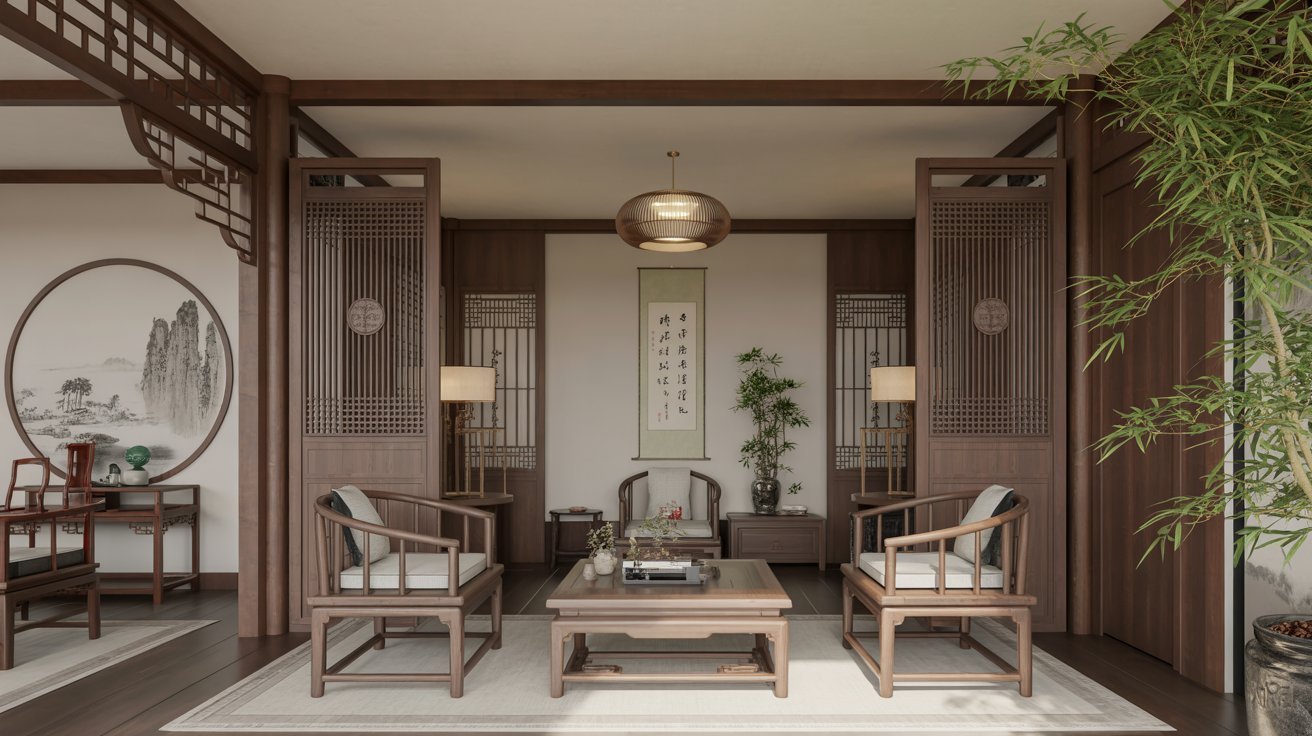
Some decorative pieces can instantly give your space a Chinese feel.
- Room dividers or screens are incredibly useful. They create privacy without walls. They also add vertical interest and beautiful patterns to any room.
- Lantern-style lighting provides warm, soft light. Paper lanterns are traditional, but you can find modern versions in metal or fabric.
- Ceramics and porcelain add color and texture. Blue and white porcelain is classic, but don’t be afraid to try other colors.
- Bamboo blinds filter light naturally and add texture to windows. They work in both traditional and modern spaces.
- Silk cushions bring luxury and comfort to seating areas. Look for rich colors or subtle patterns.
- Ink wash wall art creates calm, flowing focal points. These paintings use different shades of black ink to create beautiful landscapes or abstract designs.
Chinese Interior Design in Modern Homes
You don’t need a traditional Chinese house to use these design principles.
Apartments and contemporary homes can benefit from Chinese design ideas. Focus on the principles rather than copying everything exactly.
Start with one room and add Chinese elements gradually. A living room might get a beautiful screen and some red accent pillows. A bedroom might feature a low wooden bed frame and silk curtains.
Fusion approaches work especially well in modern spaces. Try pairing a traditional Chinese cabinet with sleek, modern seating. Or add Chinese artwork to a minimalist white room.
Room-specific applications help you focus your efforts:
- In the bedroom, use soft colors and natural materials. Add a few meaningful symbols like cranes or peonies.
- In the living room, create conversation areas with symmetrical furniture arrangements. Use larger statement pieces like screens or artwork.
- In the kitchen, focus on natural materials and clean lines. Bamboo cutting boards and ceramic dishes can add Chinese touches without major renovations.
Chinese Interior Design Tips for Beginners
- Start with a single symbolic piece, like an antique cabinet or decorative screen.
- Use red and gold as accent tones rather than making them the dominant color.s
- Balance tradition with functionality and avoid overcrowding with ornate decorations.
- Focus on symmetry and peaceful flow when arranging furniture
- Choose one room to experiment with before making changes throughout your home
- Invest in quality natural materials like wood and bamboo rather than cheap imitations
- Add plants or natural elements to connect your space with nature
- Keep pathways clear and avoid cluttering surfaces with too many decorative objects
- Use lighting to create warm, inviting atmospheres rather than harsh overhead lights
- Remember that every item should have a purpose or meaning in your space
Conclusion
Chinese interior design offers something timeless that modern homes often lack. It’s about more than just following trends or copying magazine photos.
These principles create spaces that feel good to live in. They help you slow down and appreciate your surroundings. The focus on balance and harmony makes daily life more peaceful.
You don’t have to transform your entire home overnight. Start small with meaningful changes. Add a piece of Chinese artwork. Try rearranging furniture for better symmetry. Choose natural materials when you replace old items.
The beauty of this design style is how it adapts to modern life while honoring ancient wisdom. Your home can feel both contemporary and connected to something larger.
Take your time exploring these ideas. Notice how different changes affect the feel of your space.
Frequently Asked Questions
Do I need to buy expensive antique furniture to achieve Chinese interior design?
A: Not at all. While authentic antique pieces are beautiful, you can create a Chinese-inspired space with modern furniture that follows the same principles. Look for pieces with clean lines, natural materials, and symmetrical designs. Many furniture stores now offer Chinese-inspired pieces at various price points.
How do I incorporate Feng Shui without completely rearranging my home?
A: Start with simple changes that improve energy flow. Clear clutter from pathways. Position your main seating so you can see the room’s entrance. Add plants or natural elements to bring life into your space. These small adjustments can make a noticeable difference.
Can Chinese interior design work in small apartments?
Yes, Chinese design principles work very well in small spaces. The emphasis on minimalism and functional beauty helps small rooms feel larger and more organized. Use light colors, mirrors, and multi-functional furniture to maximize your space while maintaining the style’s core principles.
What’s the difference between Chinese and Japanese interior design?
While both styles value harmony and natural materials, Chinese design tends to use richer colors, more ornate details, and symbolic decorations. Japanese design is typically more minimal with neutral colors and simpler forms. Chinese design also incorporates more gold accents and curved lines compared to Japanese design’s straight lines and earth tones.
How much should I expect to spend to redecorate a room in Chinese style?
Costs vary widely depending on your approach. You can start with small changes like adding Chinese artwork, silk cushions, or bamboo plants for under $200. A complete room makeover with quality furniture and decorative pieces might cost $2,000-$5,000. Focus on one meaningful piece at a time rather than buying everything at once.
