

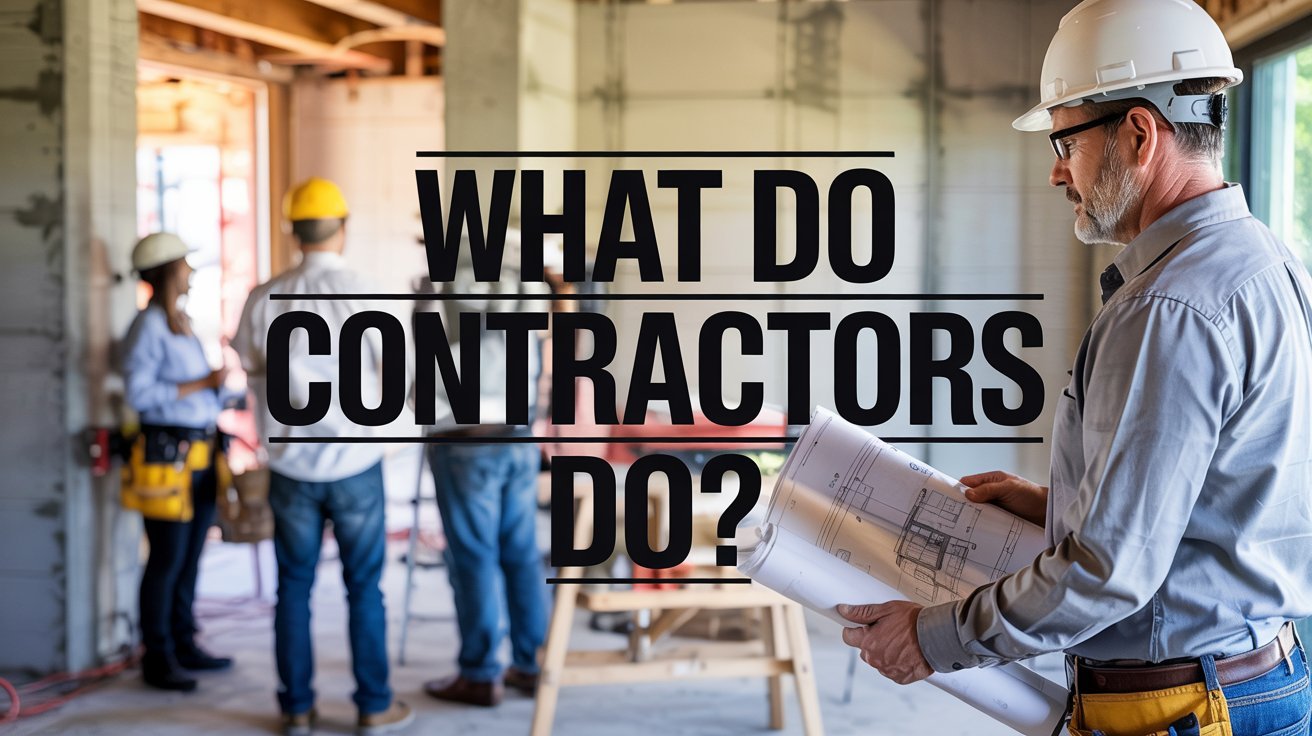
What do contractors actually do? This question confuses many people who need professional help but don’t understand how contractors work. You’re probably here because you need to hire a contractor or you’re thinking about becoming one. Maybe you’ve heard mixed stories about contractors and don’t know who to trust.
I get it. The contractor world can seem confusing.
Here’s what you’ll learn in this guide: the different types of contractors, what they do in various industries, how to work with them successfully, and how to become one yourself. I’ll also clear up common myths that might be holding you back.
I’ve worked with contractors for years and seen both amazing results and disappointing failures. The difference always comes down to understanding what contractors do and choosing the right ones.
By the end of this article, you’ll know exactly what contractors do and how to make smart decisions about hiring or becoming one. No more confusion or costly mistakes.
What Is a Contractor?

A contractor is a person or business that provides specific services for other companies or individuals. They work independently, not as permanent employees.
Think of it this way: You hire them to do a job. They complete it. Then they move on to the next project. Contractors bring specialized skills to solve problems or complete tasks. They might work for a few weeks, months, or even years on a single project.
Here’s what makes contractors different from regular employees:
- They work on a project basis
- They set their own schedules (usually)
- They handle their own taxes and benefits
- They can work for multiple clients at once
Pretty straightforward, right?
Types of Contractors
Not all contractors are created equal. Let me show you the main types you’ll encounter.
Independent Contractors
These are solo professionals who work alone. They might be:
- Freelance writers creating content for websites
- Graphic designers making logos and marketing materials
- Consultants giving expert advice to businesses
- Web developers building websites and apps
General Contractors
These contractors manage entire construction projects. They:
- Hire and coordinate other contractors
- Oversee the whole project from start to finish
- Handle permits and inspections
- Make sure everything gets done on time and on budget
Subcontractors
Subcontractors work under general contractors. They focus on specific trades like:
- Plumbing
- Electrical work
- Roofing
- Painting
Specialty Contractors
These professionals have very specific skills in niche areas:
- HVAC technicians for heating and cooling systems
- Landscapers for outdoor design and maintenance
- IT specialists for computer networks and security
Key Responsibilities of a Contractor

What exactly do contractors do every day? Their responsibilities vary, but here are the common ones:
Project Planning
Every successful project starts with a solid plan. Contractors look at what needs to be done and estimate how long it will take. They figure out what materials and tools they need, then create timelines and milestones to keep everything on track.
Executing the Work
This is where the magic happens. Contractors use their specialized skills to complete tasks and solve problems as they come up. They make sure quality standards are met while documenting their progress throughout the project.
Client Communication
Good contractors are also good communicators. They update clients on project status and explain technical details in simple terms. They handle questions and concerns while providing regular progress reports to keep everyone informed.
Managing Resources
Contractors often juggle multiple resources at once. This includes time management across different projects and budget tracking to stay profitable. They also handle equipment maintenance and procurement, plus team coordination if they have helpers working with them.
But here’s something most people don’t realize.
Continuous Learning
The best contractors never stop learning. They stay updated on industry trends and learn new techniques and technologies. Many attend training sessions and workshops to adapt to changing regulations and standards in their field.
What Do Contractors Do in Different Industries?

Contractors work everywhere. Let me show you what they do in major industries.
Construction Industry
Construction contractors are probably what you think of first. They:
- Build new homes and commercial buildings
- Renovate existing structures
- Install specialized systems (plumbing, electrical, HVAC)
- Handle maintenance and repairs
A typical day might involve reading blueprints, coordinating with other trades, and making sure everything meets building codes.
Technology Sector
Tech contractors are in high demand. They:
- Develop software applications
- Design and maintain websites
- Set up computer networks
- Provide cybersecurity services
These contractors often work remotely and juggle multiple projects at once.
Healthcare Industry
Healthcare contractors provide specialized services like:
- Medical coding and billing
- Temporary nursing staff
- Equipment maintenance
- Facility cleaning and sanitation
Marketing and Advertising
Marketing contractors help businesses grow by:
- Creating advertising campaigns
- Managing social media accounts
- Writing marketing copy
- Designing promotional materials
Financial Services
Financial contractors offer expertise in:
- Bookkeeping and accounting
- Tax preparation
- Financial planning
- Audit services
Here’s the interesting part. Each industry has its own unique challenges and requirements. But successful contractors in any field share similar traits: reliability, expertise, and strong communication skills.
How Do You Become a Contractor?
Thinking about becoming a contractor yourself? Here’s how to get started.
First, you need to be really good at something. Get formal training, learn through apprenticeships, or build skills through practice. Many contractors earn certifications to prove their expertise.
Being a contractor means running a business. Register your business, get proper licenses, and set up insurance. You’ll also need to handle your own accounting and taxes.
Most contractor work comes through referrals. Connect with other professionals in your field and build relationships with potential clients. Create a website, build a portfolio, and ask satisfied clients for testimonials.
How to Work With a Contractor
Ready to hire a contractor? Here’s how to make it work smoothly.
Do Your Research
Not all contractors are equal. Take time to research before you hire anyone. Check their credentials and licenses, then read reviews from previous clients. Ask for references and actually call them to verify their insurance coverage and work quality.
Get Everything in Writing
Handshake deals can lead to headaches. Make sure you have a detailed contract that outlines the work, along with clear timelines and milestones. Include payment schedules and terms, plus change order procedures for any modifications.
Communicate Clearly
Good communication prevents most problems. Be specific about what you want and ask questions if something isn’t clear. Provide feedback throughout the project and address concerns immediately when they come up.
Set Realistic Expectations
Remember, contractors are professionals, but they’re not magicians. Quality work takes time, and changes to the original plan will affect cost and timeline. Weather and other factors can cause delays, and good work costs more than cheap work.
Benefits of Hiring a Contractor
Why should you hire a contractor instead of doing it yourself or hiring employees? Here are the main advantages.
- Contractors bring years of experience and have professional tools you don’t own
- You save money by avoiding employee benefits, office space, and training costs
- They offer flexibility to scale up or down without long-term commitments
- Good contractors carry insurance and handle permits to reduce your risk
- Outside contractors bring fresh ideas and creative solutions to your problems
Common Myths About Contractors (And the Truth)
Let me clear up some misconceptions about contractors.
Myth 1: Contractors Are More Expensive Than Employees
The truth: While contractors might charge higher hourly rates, they often cost less overall. You don’t pay for benefits, office space, equipment, or training. Plus, you only pay for actual work time.
Myth 2: You Can’t Trust Contractors to Do Quality Work
The truth: Professional contractors depend on their reputation for repeat business and referrals. They have strong reasons to do excellent work. Bad contractors don’t stay in business long.
Myth 3: Contractors Will Abandon Your Project
The truth: Reliable contractors finish what they start. They understand that incomplete projects damage their reputation and future earning potential.
Myth 4: It’s Hard to Find Good Contractors
The truth: Good contractors are out there, but finding them takes some effort. Word of mouth referrals are usually the best way to find reliable professionals.
Myth 5: Contractors Don’t Care About Your Timeline
The truth: Professional contractors understand that deadlines matter. They build realistic timelines and communicate if issues arise that might affect completion dates.
Conclusion
Now you know exactly what contractors do. They’re skilled professionals who solve problems across every industry you can imagine. The key is finding the right match for your needs. Good contractors bring expertise, save you time, and deliver quality results. Bad ones create headaches and waste your money.
If you’re hiring a contractor, do your research first. Check references, get everything in writing, and communicate clearly. The extra effort upfront prevents problems later. If you’re thinking about becoming a contractor, focus on building real skills and strong relationships. Your reputation will determine your success more than anything else.
Remember this simple truth: contractors succeed when they make their clients’ lives easier. Whether you’re hiring one or becoming one, that’s the standard that matters. The contractor world is full of opportunities. You just need to approach it with the right knowledge and realistic expectations.
Frequently Asked Questions
How much do contractors typically charge?
Contractor rates vary widely based on their skills, location, and industry. Construction contractors might charge $50-150 per hour, while specialized tech contractors can charge $100-300 per hour or more.
Do I need a written contract for small jobs?
Yes, always get a written contract no matter how small the job seems. Even simple agreements protect both you and the contractor if problems arise later.
How long should I expect a contractor project to take?
Project timelines depend on complexity, weather, permits, and material availability. Good contractors provide realistic timelines and communicate if delays occur beyond their control.
What’s the difference between a contractor and a freelancer?
The terms are often used interchangeably, but contractors typically handle larger projects requiring permits, licenses, or specialized equipment. Freelancers usually focus on creative or digital services that can be done remotely.
Can contractors work on multiple projects at once?
Most contractors juggle several projects to maintain steady income. Professional contractors manage their schedules to meet all commitments without compromising quality on any project.
