


Confused about what millwork actually is? You’re not alone. Most homeowners hear this term from contractors or designers. But they don’t really understand what it means. Or why it matters for their projects.
Here’s the truth: Millwork can make or break your home’s appearance and value.
In this guide, I’ll solve your millwork confusion completely. You’ll learn what millwork is, how it’s made, and why it’s different from regular trim.
I’ll show you the main types found in homes. Plus, I’ll help you choose the right millwork for your specific project. I’ve worked with millwork for over a decade. I’ve seen both amazing changes and costly mistakes. My experience will save you time, money, and frustration.
By the end, you’ll understand millwork like a pro. No more guessing or confusion when talking to contractors.
What is Millwork?
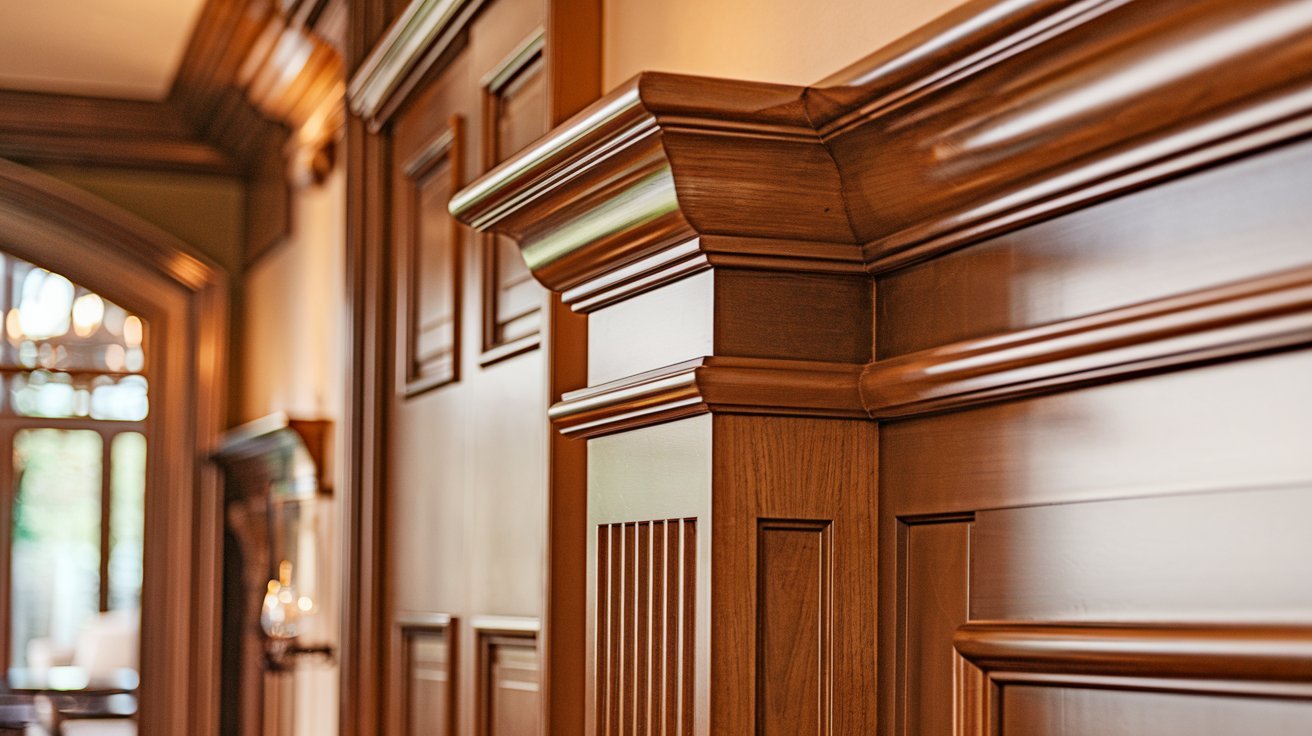
Millwork refers to any building component made of finished wood in a millwork shop or planing mill. It includes doors, window casings, mantels, baseboards, and custom cabinetry.
The term comes from the old days when lumber mills had special shops. These shops created precise wooden components for buildings. Workers used machinery to shape, cut, and finish wood pieces.
Today’s millwork still follows this tradition. Skilled craftspeople create custom wood pieces that fit perfectly in your space.
But here’s what makes millwork special:
- Custom sizing: Made to fit your exact measurements
- Quality materials: Uses premium wood species
- Professional finish: Smooth, ready-to-install surfaces
- Precise joinery: Tight-fitting connections that last
Think of millwork as the jewelry of your home. It adds those finishing touches that make spaces feel complete and polished.
Types of Millwork Found in Homes and Buildings
Millwork comes in many forms. Each serves a specific purpose in your home’s design.
Interior Millwork
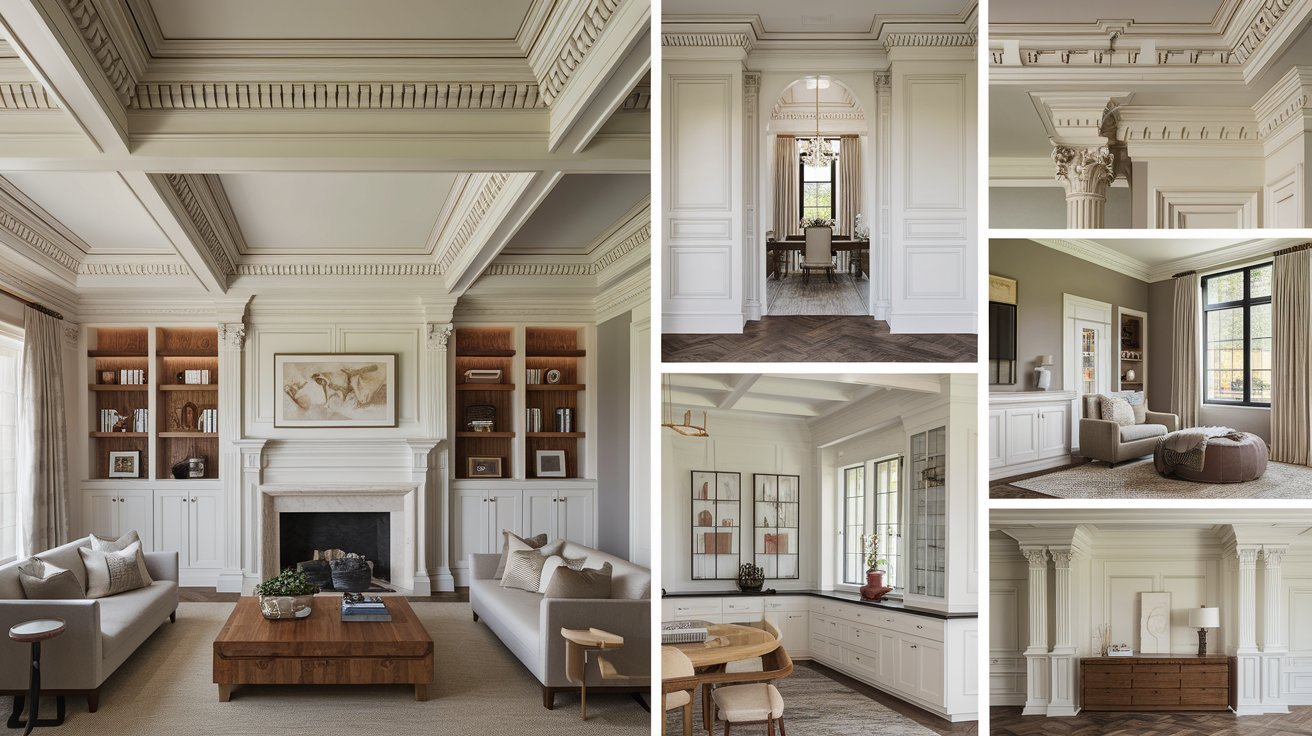
Crown Molding: The decorative trim where walls meet ceilings. Crown molding adds beauty to any room. It draws your eye upward and makes ceilings appear higher.
Baseboards: These protect the bottom of your walls. They also hide gaps between flooring and walls. Good baseboards create clean, finished lines throughout your home.
Window and Door Casings: These frames surround openings. Casings give windows and doors a polished appearance. They also cover rough framing edges.
Wainscoting: Decorative panels that cover the lower portion of walls. Wainscoting adds texture and visual interest. It also protects walls from daily wear.
Built-in Cabinetry: Custom storage solutions built into your walls. This includes bookcases, entertainment centers, and closet systems.
Exterior Millwork
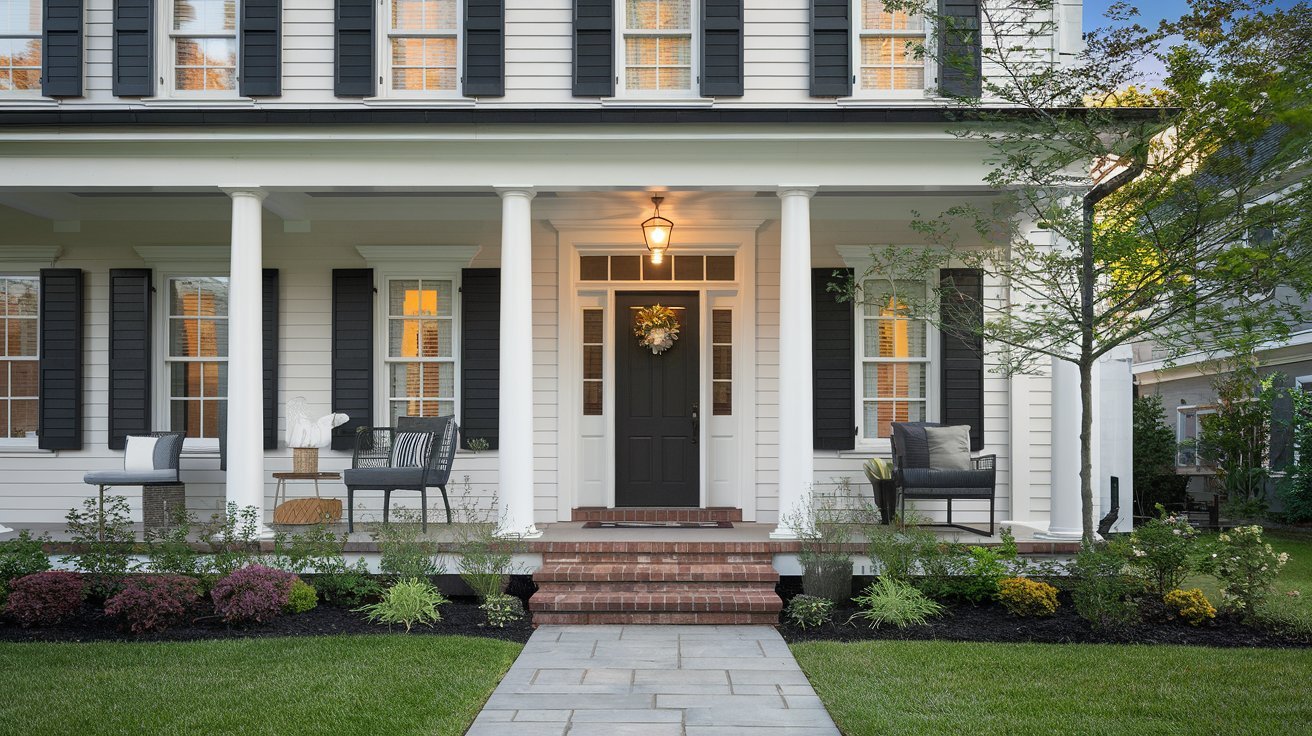
Shutters: Both functional and decorative window coverings. Quality millwork shutters improve your home’s curb appeal.
Porch: Columns Structural and decorative supports for covered areas. These range from simple posts to detailed turned designs.
Trim and Siding: Details Decorative elements that accent your home’s exterior. These include corner boards, frieze boards, and structural brackets.
Entry Door Systems: Complete door assemblies with frames, sidelights, and transoms. A well-crafted entry makes a powerful first impression.
Stairs and Railings: Custom staircases with detailed balusters, newel posts, and handrails. These combine safety with visual appeal.
Mantels and Surrounds: Fireplace treatments that become room focal points. From simple to ornate, mantels define your space’s character.
The Process: How Millwork is Made
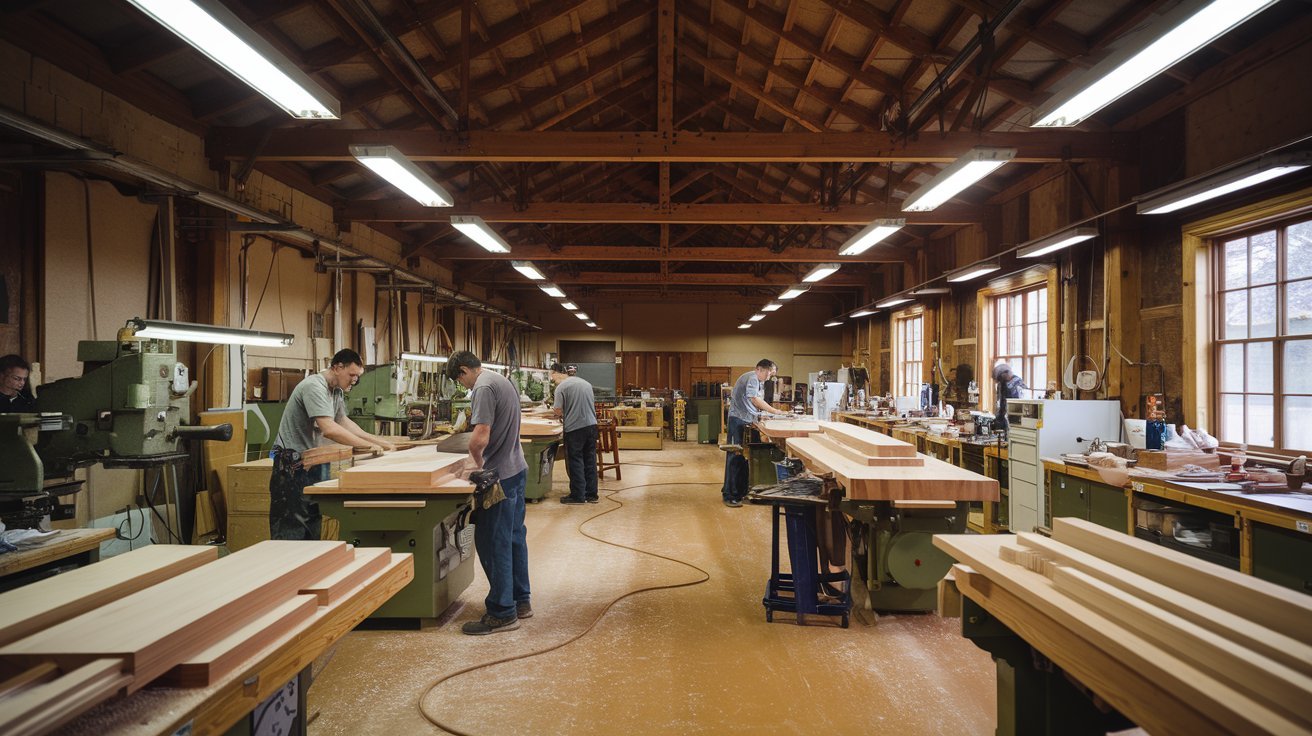
Creating good millwork requires skill, precision, and the right equipment.
Step 1: Design and Planning
Everything starts with measurements. I take detailed dimensions of your space. Then we discuss your style preferences and what you need.
Computer software helps create precise plans. These show exactly how each piece will look and fit.
Step 2: Material Selection
Wood choice affects both appearance and durability. Common options include:
- Pine: Affordable and easy to work with
- Oak: Strong with distinctive grain patterns
- Maple: Hard, smooth surface perfect for painting
- Cherry: Rich color that darkens beautifully over time
- Mahogany: Premium choice with excellent workability
The wood must be properly dried and stable. Moisture content should be between 6-8% for interior work.
Step 3: Cutting and Shaping
Modern millwork shops use advanced machinery:
Planers smooth rough lumber to exact thickness. Molders create detailed profiles and shapes. Tenoners cut precise joints for strong connections. Sanders prepares surfaces for finishing.
But here’s the key: Skilled operators make all the difference. Machines are only as good as the people running them.
Step 4: Assembly
Complex pieces like built-ins require careful assembly. Joints must fit perfectly. Glue application needs precise timing.
Good millwork uses traditional joinery methods:
- Mortise and tenon joints
- Dovetail connections
- Rabbet and dado cuts
These create strong, lasting bonds without relying solely on fasteners.
Step 5: Finishing
The final step determines how your millwork will look and perform. Options include:
- Stain and Clear Coat: Shows natural wood beauty
- Paint Grade: Smooth surface ready for color
- Natural Oil Finish: Penetrates wood for protection
Proper finishing protects against moisture, wear, and UV damage.
Why Millwork Matters in Design
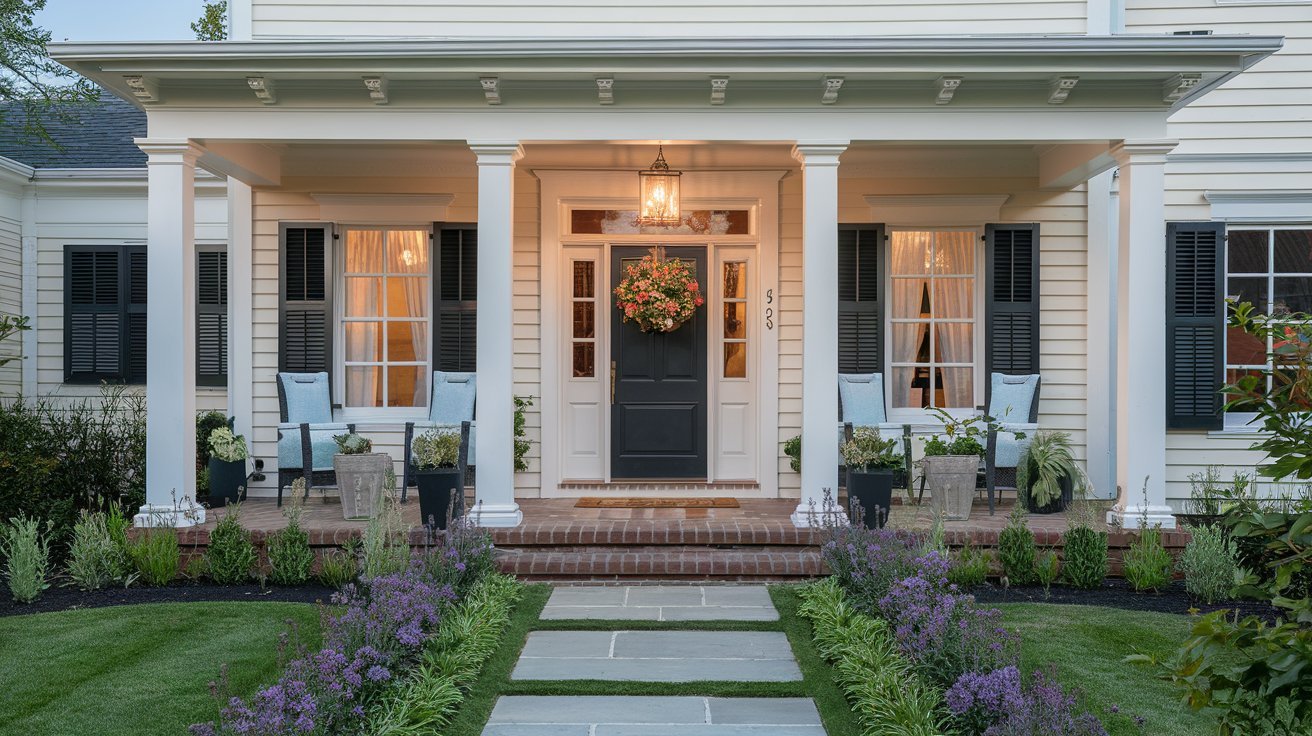
Good millwork does more than look nice. It connects rooms with consistent details. This creates a unified design throughout your home. Real estate professionals know millwork increases home value. Buyers pay more for well-crafted details.
Built-in millwork maximizes space. Custom pieces fit where standard furniture can’t. You get storage made for your exact needs.
Millwork defines your home’s style. Traditional homes use detailed moldings. Contemporary styles have clean lines. Craftsman homes show rich wood tones. Colonial designs feature classic proportions.
Well-made millwork lasts decades. It protects wall corners and floor edges better than cheap options.
Millwork vs. Trim: What’s the Difference?
People often use these terms interchangeably. But there are important distinctions.
| Aspect | Standard Trim | Custom Millwork |
| Definition | Any material used to cover joints or transitions | Wood products made in a mill shop |
| Materials | Wood, plastic, metal, or composite | Wood only |
| Production | Mass-produced in factories | Custom-made in mill shops |
| Sizing | Standard lengths and profiles | Any length and custom profiles |
| Customization | Limited options | Made to your specifications |
| Cost | Lower upfront cost | 2-4 times more expensive |
| Quality | Basic wood grades | Premium material selection |
| Availability | Immediate from big box stores | 2-6 weeks lead time |
| Fit | Standard sizes may require adjustments | Perfect fit for your space |
Think of it this way: Buying trim at a big box store gets you standard pieces. Ordering millwork gets you custom solutions. The choice depends on your project goals and budget. Both have their place in construction and renovation.
Choosing the Right Millwork for Your Project
Selecting millwork involves several important decisions. I’ll guide you through the key considerations.
Budget Planning
Good millwork costs more upfront than standard trim. But it provides better long-term value. Set realistic expectations based on your project scope.
Budget-Friendly Options:
- Paint-grade pine millwork
- Simpler profiles
- Standard dimensions
Premium Choices:
- Exotic wood species
- Complex custom profiles
- Oversized dimensions
Remember: Good millwork is an investment in your home’s future value.
Style Coordination
Your millwork should complement your home’s design. Don’t fight against existing design elements. Match the Era Victorian homes need ornate details. Mid-century modern calls for clean lines. Research your home’s original style for authentic choices.
Consider Scale Room size affects millwork proportions. Large rooms can handle substantial crown molding. Smaller spaces need more modest profiles. Think Long-Term Trendy details may look dated quickly. Classic profiles have timeless appeal. Choose designs you’ll love for years.
Functional Requirements
Different locations have different needs:
- High-Traffic Areas need durable finishes
- Moisture-Prone Spaces require appropriate wood species
- Load-Bearing Applications need structural considerations
Professional Installation
Even perfect millwork fails with poor installation. Find experienced carpenters who understand proper techniques.
Look for installers who:
- Use appropriate fasteners
- Check for level and plumb
- Fill and sand joints properly
- Apply good finishes
Maintenance and Longevity of Millwork
Proper care keeps your millwork looking beautiful for decades.
Dust weekly with a soft cloth. Use mild soap and water sparingly. Always wipe dry immediately. Avoid harsh chemicals and abrasive cleaners.
Refinish high-use areas every 3-5 years. Moderate traffic areas need it every 5-8 years. Low-use spaces every 8-12 years.
Keep temperature at 65-75°F year-round. Maintain 30-50% humidity. Extreme conditions cause wood movement and cracks.
Fix small problems quickly. Re-glue loose joints. Fill small dents with wood putty. Touch up worn finishes.
Call professionals for structural damage, major refinishing, or complex repairs. Good millwork is a significant investment. Proper maintenance extends its life.
Conclusion
Now you know what millwork really is. It’s custom woodwork made in mill shops for your specific project needs. You’ve learned the main types found in homes. Crown molding, baseboards, built-ins, and door casings all count as millwork. Each serves both functional and decorative purposes.
The key difference? Millwork is custom-made. Regular trim comes in standard sizes from big box stores.
Good millwork costs more upfront. But it adds real value to your home. It also lasts much longer than cheap alternatives. Remember these important points. Choose the right wood for your climate. Hire experienced installers. Maintain your millwork properly.
Your investment will pay off for decades. Beautiful, well-crafted millwork never goes out of style. It makes your home feel finished and polished.
Start planning your millwork project today.
Frequently Asked Questions
How much does custom millwork cost compared to standard trim?
Custom millwork typically costs 2-4 times more than standard trim from big box stores. However, the superior quality, perfect fit, and increased home value often justify the higher investment.
Can I install millwork myself or do I need a professional?
Simple pieces like baseboards can be DIY projects if you have woodworking skills. Complex installations like built-ins or intricate crown molding require professional expertise for proper results.
What’s the best wood type for painted millwork?
Pine and poplar are excellent choices for painted millwork because they’re affordable and take paint well. These woods have minimal grain patterns that won’t show through your finish coat.
How long does it take to get custom millwork made?
Most custom millwork takes 2-6 weeks from order to delivery, depending on complexity. Simple profiles might be ready in 2 weeks, while detailed built-ins can take 6-8 weeks during busy seasons.
Will millwork crack or warp over time?
Properly dried wood and good installation minimize movement issues. Some seasonal expansion is normal, but major cracking usually indicates poor material preparation or installation problems.
